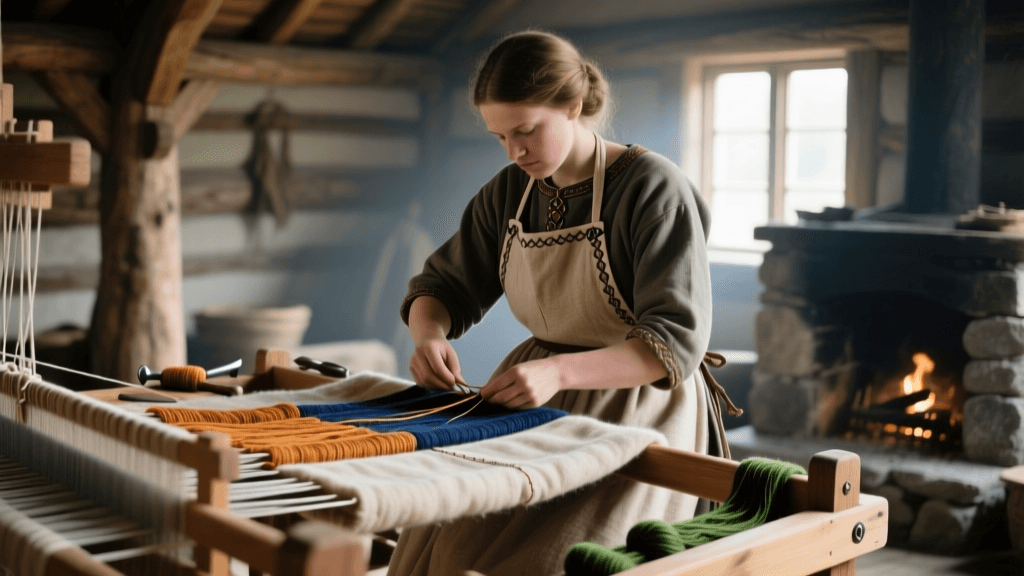
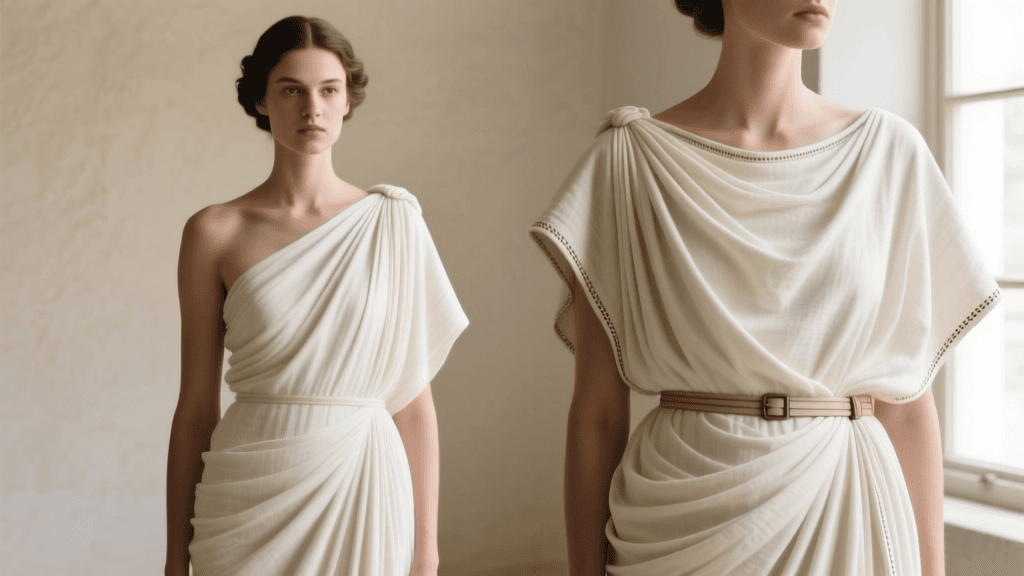
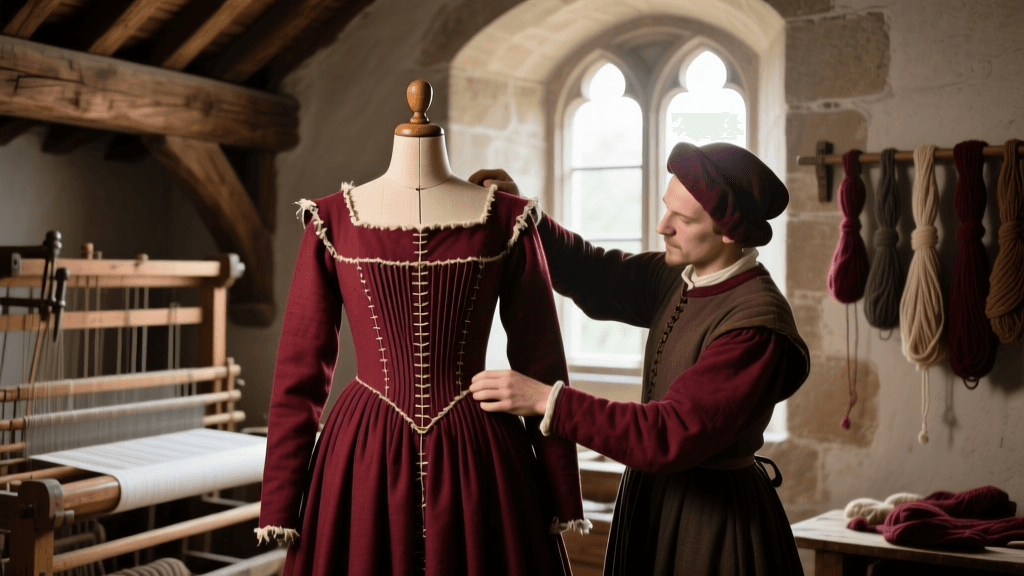
Viking Smokkr & Kyrtill: 2026 Heritage Wool Guide
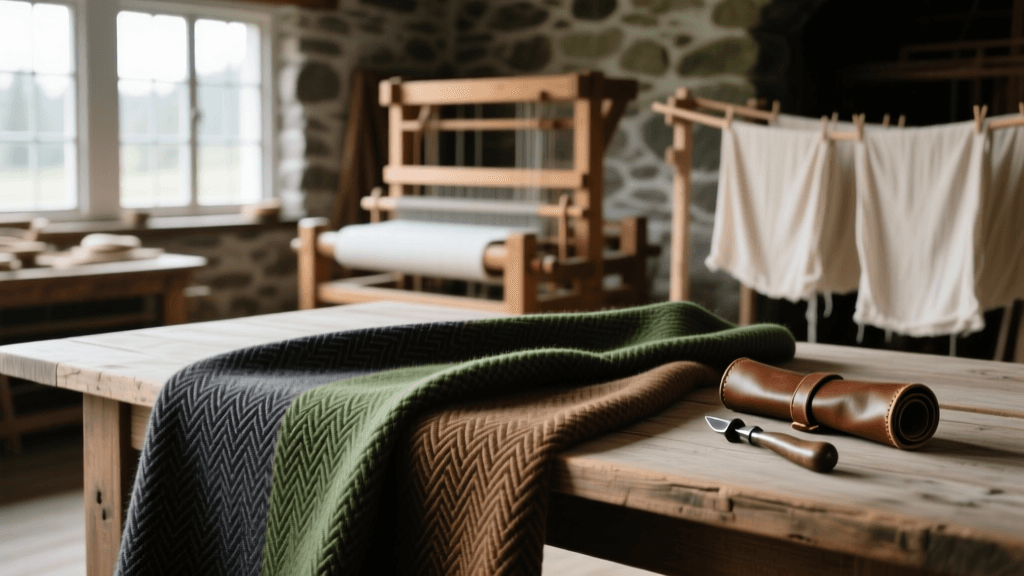
The Evolution of Norse Reenactment in 2026
The landscape of historical European folk dress and Viking reenactment has undergone a profound transformation by 2026. Gone are the days of inaccurate, mass-produced costumes featuring excessive leather biker gear, anachronistic fur trims, and synthetic fabrics. Today, the global historical textile community demands rigorous archaeological accuracy. Whether you are preparing for the summer festival season in Scandinavia or curating a museum-grade living history exhibit, constructing a historically accurate Norse wardrobe requires a deep understanding of 10th-century textile production, weave structures, and natural dyeing techniques.
In this comprehensive guide, we break down the anatomy of the traditional Viking wardrobe, focusing specifically on the foundational garments: the kyrtill (tunic) and the smokkr (apron dress). We will also explore where to source authentic diamond twill wool in 2026, how to achieve period-accurate colors using natural dyes, and the hand-sewing techniques required to bring these ancient garments to life.
Understanding the Kyrtill and the Serk
The foundation of both male and female Norse dress begins with the serk, a lightweight linen undergarment. In 2026, the most sought-after linens for reenactors are hand-loomed, unbleached flax textiles sourced from heritage mills in the Baltic states, which closely mimic the uneven, slubby texture of Viking Age linen. Over the serk, both men and women wore the kyrtill, a woolen tunic that served as the primary outer layer for men and a secondary layer for women.
According to extensive archaeological analyses documented by the National Museum of Denmark, the kyrtill was typically constructed from a single width of fabric to minimize waste, utilizing rectangular and triangular gores to add volume to the skirt. The neckline was often a simple keyhole or round cut, sometimes edged with a narrow tablet-woven band. For high-status individuals, the kyrtill was crafted from finely woven diamond twill wool, dyed in rich, vibrant hues that signaled wealth and extensive trade networks.
The Smokkr: Decoding the Apron Dress
The smokkr, commonly referred to as the apron dress, is the most iconic garment of the Viking Age woman. Suspended from the shoulders by a pair of oval 'tortoise' brooches, the smokkr was worn over the kyrtill. The exact construction of the smokkr has been the subject of intense debate among textile historians for decades, but recent consensus in 2026 leans heavily toward a tubular or wrap-around design, supported by the surviving textile fragments found in the Hedeby harbor and the high-status graves of Birka.
When constructing a smokkr today, it is crucial to avoid the modern 'Viking princess' silhouette, which relies on excessive pleating and heavy, stiff fabrics. An authentic smokkr should drape naturally, utilizing the bias of the fabric to create a flowing, elegant shape. The top edge is often finished with a sturdy tablet-woven band, which not only reinforces the fabric to support the weight of the bronze or silver brooches but also provides a canvas for intricate, geometric patterns.
The Gold Standard: Sourcing Diamond Twill Wool
If there is one textile that defines high-status Viking Age clothing, it is diamond twill (also known as lozenge twill). This weave structure creates a beautiful, light-reflecting geometric pattern that is both durable and incredibly warm. In 2026, sourcing true, handwoven diamond twill requires connecting with specialized heritage weavers in Sweden, Norway, and the United Kingdom.
When evaluating wool for your kyrtill or smokkr, pay close attention to the thread count. Archaeological finds from the Oseberg ship burial indicate that high-quality Viking textiles featured warp counts of 20 to 30 threads per centimeter, and weft counts of 10 to 15 threads per centimeter. Modern commercial 'melton' wool, while warm and affordable, lacks the drape, historical accuracy, and breathability of true heritage twill. Furthermore, ensure the wool is spun from a heritage breed, such as Spelsau or Swedish Landrace, which possesses a long, lustrous staple that mimics the yarns used in the 10th century.
Natural Dyes: Achieving 10th-Century Color Palettes
The myth that Viking clothing was exclusively drab, brown, or gray has been thoroughly debunked. The Norse had access to a vibrant palette of natural dyes, and in 2026, eco-conscious reenactors are returning to traditional dye vats to achieve these colors safely and sustainably.
- Madder Root (Rubia tinctorum): Used to achieve deep reds, terracottas, and warm oranges. The final color depends heavily on the mordant used and the mineral content of the water.
- Woad (Isatis tinctoria): The primary source of blue in Northern Europe. Woad vats require careful temperature control and an alkaline environment, but they yield stunning, colorfast blues ranging from pale sky to deep navy.
- Weld (Reseda luteola): Provides brilliant, lightfast yellows. Often over-dyed with woad to create the highly prized 'Lincoln green' or deep teal shades.
- Mordants: While the Vikings occasionally used iron-rich bog mud to darken colors, modern dyers primarily use aluminum acetate or potassium aluminum sulfate (alum) to brighten and fix dyes without degrading the wool fibers over time.
Material Comparison Chart for 2026 Reenactors
To help you budget and plan your garment construction, below is a comparison of the most common wool textiles used in Norse reenactment today.
| Textile Type | Historical Accuracy | Avg. Cost per Meter (2026) | Drape, Feel & Durability |
|---|---|---|---|
| Commercial Melton Wool | Low (Machine felted, flat weave) | $25 - $40 USD | Stiff, heavy, prone to pilling. Good for cloaks, poor for tunics. |
| Machine-Woven Herringbone | Medium (Correct pattern, wrong yarn) | $45 - $70 USD | Softer drape, but often made from modern merino which lacks historical luster. |
| Heritage Diamond Twill | High (Handwoven, heritage breed) | $120 - $180 USD | Exceptional drape, water-resistant, highly durable. The gold standard for smokkr. |
| Handwoven Tabby (Plain Weave) | High (Accurate for lower-status dress) | $90 - $130 USD | Lightweight, breathable, excellent for summer festivals and under-tunics. |
Hand-Sewing and Tablet Weaving Techniques
A garment is only as authentic as its construction. Machine sewing was obviously unavailable in the Viking Age, and the tension of a machine stitch alters the way wool behaves and drapes. In 2026, the most respected living history groups require entirely hand-sewn garments for their highest authenticity tiers.
The primary stitches used in Norse garment construction are the running stitch, the backstitch, and the overcast stitch for seam finishing. For structural seams that will bear weight (such as the shoulder seams of a kyrtill or the strap attachments on a smokkr), a doubled backstitch using heavily waxed linen thread is recommended. For hemming and finishing raw edges, the overcast stitch prevents the wool from fraying while maintaining the flexibility of the fabric.
Furthermore, no Viking garment is complete without tablet-woven trims. The Viking Ship Museum in Roskilde frequently highlights the importance of narrow bands in Norse dress, not just for decoration, but for reinforcing edges and protecting high-wear areas. Using wooden or bone cards, reenactors can recreate the intricate, symmetrical patterns found in the Oseberg ship burial, utilizing silk or fine wool threads to create striking contrast against the diamond twill base.
Cloaks and the Rectangular Wrap
To complete the wardrobe, one must consider the outer layers. The Viking cloak was typically a simple, large rectangle of heavy, fulled wool, often edged with tablet weaving or fringe. It was wrapped around the shoulders and secured on the right side with a penannular brooch or a simple iron ring pin. In the harsh winters of Scandinavia, some cloaks were lined with sheepskin or woven with a 'rya' technique, incorporating tufts of unspun wool into the weave to mimic the look and insulating properties of animal fur.
Conclusion: Embracing the Slow Textile Movement
Creating an authentic Viking smokkr and kyrtill in 2026 is an exercise in patience, research, and respect for the artisans of the past. By investing in heritage diamond twill, mastering natural dye vats, and dedicating the hours required for hand-sewing and tablet weaving, you do more than just create a costume. You participate in the preservation of European folk dress, keeping the tactile history of the Norse people alive for future generations to study and admire.