Norse Smokkr Reconstruction: 2026 Authentic Fabric & Weave Guide
The Enduring Legacy of the Viking Apron Dress
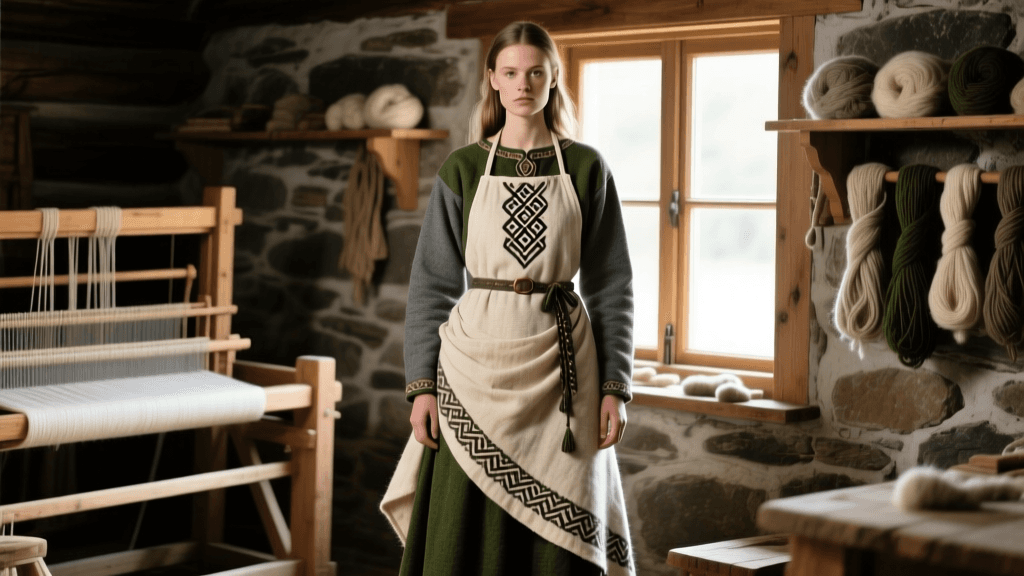
As we navigate the historical reenactment and heritage crafting landscape of 2026, the demand for uncompromising authenticity in European folk dress has reached an all-time high. Among the most iconic and intensely studied garments of the early medieval period is the Norse smokkr, commonly known as the Viking apron dress. Worn by women across Scandinavia and Norse settlements from the 8th to the 11th centuries, the smokkr was a sophisticated, layered garment that served both practical and deeply symbolic social functions. Reconstructing this garment today requires moving beyond the simplified, costumey interpretations of the past and embracing the rigorous archaeological standards that define the 2026 heritage community.
Archaeological Context and Modern Research
The archaeological record provides our most reliable blueprint for the smokkr. Finds from key trading hubs and burial sites, such as Birka in Sweden, Hedeby in modern-day Germany, and Køstrup in Denmark, have yielded fragmented but invaluable textile remains. According to the National Museum of Denmark, the preservation of these wool and linen fragments allows modern researchers to analyze thread counts, weave structures, and dye compositions with unprecedented accuracy. In 2026, advanced spectrometry and 3D textile modeling have further refined our understanding of how these garments draped and moved, confirming that the smokkr was not a simple rectangular wrap, but a tailored, often pleated, and meticulously assembled piece of haute couture for its era.
Selecting Heritage Textiles for Your Smokkr
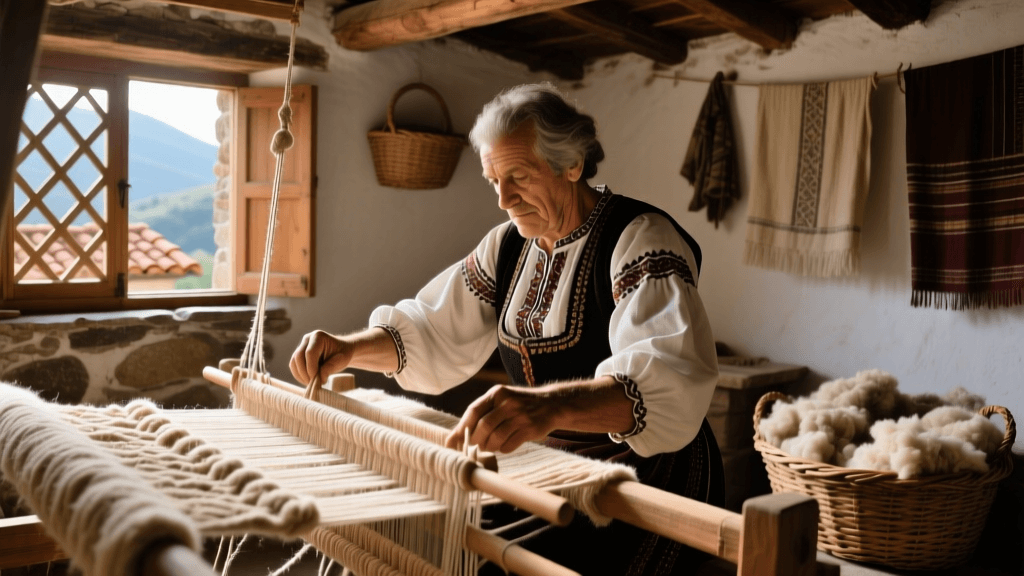
When selecting textiles for a historically accurate smokkr, the weave structure is paramount. The two most prominent weaves identified in Viking Age female burials are the tabby weave (plain weave) and the diamond twill. Tabby weaves were frequently used for linen underdresses and lighter wool garments, characterized by a simple over-under interlacing of the warp and weft threads. Diamond twill, however, represents the pinnacle of Norse textile craftsmanship. This complex weave creates a repeating geometric pattern of diamonds, requiring a multi-shaft loom and immense skill from the weaver. For a 2026 reconstruction aiming for high-status accuracy, sourcing a diamond twill wool with a thread count of approximately 12 to 18 threads per centimeter is essential. This specific density provides the necessary drape and structural integrity to support the weight of bronze brooches and suspended tools without tearing.
Heritage Fabric Specifications for 2026 Reconstructions
To assist makers and reenactors in sourcing the correct materials, the table below outlines the optimal textile specifications and current 2026 market averages for heritage mills specializing in early medieval weaves.
| Fabric Type | Weave Structure | Weight (g/m²) | 2026 Avg. Cost per Meter | Best Use Case |
|---|---|---|---|---|
| Diamond Twill Wool | 4-shaft Twill | 250 - 280 | $65 - $95 USD | High-status Smokkr outer layer |
| Tabby Weave Wool | Plain Weave | 200 - 230 | $40 - $55 USD | Everyday Smokkr or winter cloak |
| Dew-Retted Linen | Plain Weave | 180 - 220 | $25 - $35 USD | Serk (underdress) base layer |
| Herringbone Wool | Broken Twill | 260 - 300 | $70 - $100 USD | Cold-weather Smokkr variants |
Pattern Drafting and Proportional Measurements
Unlike modern clothing, which relies on standardized sizing charts and complex multi-piece patterns, the Viking Age smokkr was constructed using geometric shapes designed to minimize textile waste. The loom widths of the period typically ranged from 60 to 90 centimeters, meaning garments were pieced together from rectangular and triangular panels rather than heavily curved, tailored pieces. When drafting your pattern in 2026, begin by measuring from your collarbone down to your mid-calf or ankle, depending on your preferred length and the specific regional style you are emulating. The front and back panels are generally cut as wide rectangles, with triangular gores inserted at the sides to allow for freedom of movement and a graceful drape. It is highly recommended to create a mock-up, or 'toile', from cheap muslin fabric before cutting into your expensive heritage wool. This step allows you to adjust the placement of the suspension loops and ensure the garment hangs correctly over the bust and hips without gaping or pulling.
The Serk: Linen Underlayers and Natural Dyes
Beneath the wool smokkr, Norse women wore a long, long-sleeved underdress known as the serk. While popular media often depicts the serk in stark, bleached white, archaeological evidence suggests a more nuanced reality. Linen, derived from the flax plant, was the primary material for this base layer due to its breathability and comfort against the skin. However, the natural color of processed linen ranges from a warm, unbleached ecru to a soft, mushroom grey, depending on the retting and scutching methods used. In 2026, heritage textile suppliers offer 'dew-retted' linen that perfectly mimics this organic, off-white hue. When purchasing linen for your serk, look for a medium-to-heavy weight of 180 to 220 g/m². Lighter linens tend to fray and lack the historical opacity required for a proper base layer, while heavier weights can become uncomfortably warm during summer heritage festivals.
Oval Brooches and Suspension Loops
The smokkr was famously suspended at the shoulders by a pair of oval, tortoise-shaped brooches (skålspænder). These brooches are among the most diagnostic artifacts of the Viking Age, with their decorative styles helping archaeologists date specific burials. As noted by the historical research organization Hurstwic, these brooches were not merely decorative; they were functional anchors that held the entire layered outfit together, often supporting loops that suspended keys, weaving swords, and other domestic tools. For a 2026 reconstruction, it is crucial to avoid cheap, mass-produced zinc alloys. Instead, invest in cast bronze or hand-forged iron brooches crafted by specialized artisan blacksmiths. Authentic, sand-cast bronze replicas of the P51 or P37 brooch styles typically range from $120 to $250 per pair in the current market, a worthwhile investment that ensures historical integrity and long-lasting durability.
Tablet Woven Trim and Assembly Techniques
The edges of the smokkr, particularly the neckline and armholes of the serk, were frequently embellished with tablet-woven bands. Tablet weaving, or card weaving, was a ubiquitous technique across the Norse world, used to create strong, intricately patterned borders. Modern weavers in 2026 have access to laser-cut wooden tablets and historically dyed silk or wool threads that make recreating these complex geometric and zoomorphic patterns more accessible than ever. Furthermore, the color palette of your garment should reflect the natural dyes available to the Norse. Madder root yielded rich reds and earthy oranges, woad provided deep blues, and weld produced vibrant yellows. Avoid synthetic, neon, or overly saturated colors, as they instantly break the historical illusion.
The assembly of the smokkr requires strict attention to historical seam techniques. The modern straight stitch, produced by a sewing machine, is entirely inappropriate for a high-level historical garment. Instead, all seams should be hand-sewn using a running stitch or backstitch with waxed linen or wool thread. The raw edges of the fabric must be enclosed using a flat-felled seam or a whip stitch to prevent fraying, mirroring the finishing techniques found in the Hedeby textile fragments. The back panel of the smokkr often featured distinct pleating, as evidenced by the Køstrup find, which preserved a beautifully pleated wool section. Achieving this pleating requires steaming and pinning the wool over a wooden block before securing it with a sturdy linen binding tape. This meticulous hand-finishing is what separates a mere costume from a true 2026 museum-grade reconstruction.
2026 Sourcing and Festival Standards
As heritage festivals and living history events across Europe and North America tighten their authenticity guidelines in 2026, presenting a well-researched, accurately sourced smokkr is more rewarding than ever. The European folk dress community has largely moved away from the speculative, fantasy-influenced designs of the early 2000s, favoring instead a deep, respectful engagement with the archaeological record. By prioritizing heritage diamond twills, naturally dyed linens, hand-forged bronze hardware, and period-accurate hand-stitching, you do more than just wear a historical garment; you actively participate in the preservation and revival of ancient Norse craftsmanship. Whether you are preparing for the summer solstice gatherings in Scandinavia or educating the public at a local museum, your meticulously reconstructed smokkr will stand as a testament to the enduring ingenuity and aesthetic brilliance of Viking Age textile artists.