Japanese Noragi & Sashiko: 2026 Luxury Fashion Collabs
The Renaissance of Japanese Workwear in Global Luxury
In 2026, the global fashion landscape is defined by a profound respect for heritage craftsmanship, sustainability, and cross-cultural storytelling. At the forefront of this movement is the integration of traditional Japanese garments into high-end international design collaborations. Specifically, the Noragi (a traditional farmer's jacket) and Sashiko (decorative reinforcement stitching) have transcended their rural origins to become the most coveted silhouettes and techniques in luxury streetwear and Parisian tailoring. As European heritage houses and Tokyo-based avant-garde designers continue to merge their archives, the 2026 collaborative collections offer an unprecedented fusion of Eastern philosophy and Western construction.
This comprehensive guide explores the anatomy of the modern Noragi, the intricate art of Sashiko, and how collectors and enthusiasts can navigate the 2026 luxury collaboration market, complete with styling advice, pricing data, and care instructions.
Historical Roots: From Rural Necessity to Runway Staple
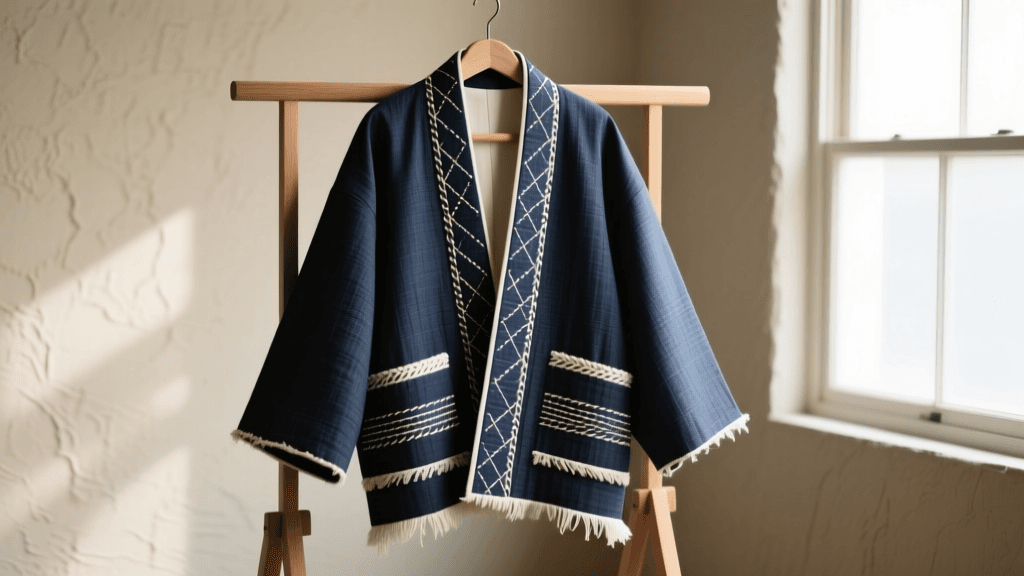
To understand the value of a 2026 luxury Noragi, one must first appreciate its utilitarian origins. The Noragi was historically worn by farmers and merchants in rural Japan during the Edo period. Constructed from hemp or cotton, its T-shaped, open-front design allowed for maximum mobility and ventilation. When these garments tore, they were not discarded; instead, they were repaired using Sashiko, a running stitch technique that reinforced the fabric while creating striking geometric patterns. Over decades, these heavily repaired garments evolved into Boro (ragged textiles), which are now revered as masterpieces of textile art.
According to the Victoria and Albert Museum's extensive archives on Japanese fashion, the transition of Japanese workwear into global high fashion is rooted in the Western fascination with the 'Mingei' (folk craft) movement. Today, in 2026, this fascination has matured into equitable partnerships, where luxury conglomerates directly fund artisan villages in regions like Okayama and Tokushima to produce limited-run collaborative pieces.
The 2026 Luxury Collaboration Landscape
This year, the most prominent international design collaborations focus on 'Quiet Luxury' infused with visible, handcrafted imperfection. European tailoring houses are partnering with multi-generational Japanese dyeing and weaving families to produce Noragi jackets that feature the drape of traditional workwear but utilize ultra-premium materials like vicuña wool blends, cashmere-silk mixes, and naturally fermented sukumo indigo.
Key Trends Defining 2026 Collaborations
- Archival Pattern Mapping: Designers are using non-invasive 3D scanning to map the exact Sashiko stitch patterns of 19th-century Boro textiles, translating them into modern jacquard weaves and precision laser-embroidery for contemporary outerwear.
- The 'Neo-Noragi' Silhouette: While traditional Noragi feature wide, straight sleeves, 2026 collaborative iterations often introduce subtle raglan shoulder adjustments and hidden interior pockets, catering to the modern urban commuter without losing the iconic T-shape drape.
- Sustainable Dyeing: With environmental regulations tightening globally, luxury brands are heavily investing in Tokushima's natural indigo fermentation processes, marketing the biodegradable and antimicrobial properties of authentic Aizome (indigo dyeing) to eco-conscious consumers.
2026 Market Analysis and Pricing Guide
Navigating the market for Japanese-inspired workwear requires an understanding of provenance and production methods. The table below breaks down the current 2026 pricing tiers for Noragi and Sashiko garments, helping you identify authentic luxury collaborations versus mass-market interpretations.
| Category | Price Range (2026) | Production Time | Key Characteristics & Materials |
|---|---|---|---|
| Artisan Bespoke | $4,500 - $9,000 | 4 - 8 Months | Hand-spun cotton, natural sukumo indigo, 100% hand-stitched Sashiko by certified masters. |
| Luxury Brand Collab | $1,800 - $3,500 | Seasonal Drop | Machine-assisted Sashiko detailing, premium Japanese selvedge denim, tailored Noragi fit with luxury hardware. |
| Contemporary Street | $400 - $950 | Mass / Small Batch | Printed or computer-embroidered Sashiko motifs, blended synthetic fabrics, relaxed oversized fit. |
| Vintage / Archival Boro | $2,500 - $15,000+ | N/A (Antique) | Authentic 19th or early 20th-century farmer's Noragi, heavily patched, museum-grade condition. |
Sizing, Fit, and the 'Yuki' Measurement
Purchasing a traditional or collaboration Noragi in 2026 requires a shift away from Western sizing metrics (Small, Medium, Large). Authentic Japanese garments are measured using the Yuki system, which calculates the distance from the center of the back of the neck, across the shoulder, and down to the wrist.
Because the Noragi lacks a defined shoulder seam, it is designed to drape naturally over the wearer's frame. When shopping for a luxury collaboration piece, look for the Yuki measurement in the product specifications. A standard modern male Yuki is typically between 80cm and 85cm. The body width (Mihaba) should be roughly half of your chest circumference plus 10-15cm to allow for the signature overlapping front drape and layering.
How to Style the Noragi in 2026
The versatility of the Noragi makes it a cornerstone of the 2026 'elevated utilitarian' wardrobe. Here are three actionable styling formulas for the current season:
1. The Parisian-Tokyo Hybrid (Smart Casual)
Pair a dark indigo, Sashiko-stitched Noragi with a fine-gauge merino wool turtleneck and tailored, wide-leg pleated trousers. Finish with leather derbies or minimalist Chelsea boots. The contrast between the rustic, textured jacket and the refined, fluid trousers creates a striking visual balance perfect for gallery openings or creative workspaces.
2. The Urban Commuter (Streetwear)
Layer a lightweight, unlined cotton Noragi over a heavyweight vintage graphic tee and relaxed-fit selvedge denim. Accessorize with a woven rattan or nylon crossbody bag. This look leans into the garment's workwear roots while maintaining a contemporary, layered silhouette.
3. The Resort Loungewear (Relaxed)
Opt for a Noragi crafted from breathable linen or hemp blends in lighter shades like ecru or faded persimmon. Wear it open over a simple ribbed tank top and relaxed linen drawstring trousers. This is the ultimate expression of 2026's focus on mindful, slow living.
Care and Maintenance of Natural Indigo and Sashiko
Luxury collaborative pieces featuring authentic Aizome (natural indigo) and hand-stitched Sashiko require meticulous care to preserve their structural integrity and color depth.
- Washing: Never use commercial detergents or bleach, which will strip the natural indigo and damage the cotton fibers. Hand wash in cold water using a specialized pH-neutral soap or simply rinse in plain cold water.
- Drying: Never wring or twist the garment. Gently press out excess water and lay it flat to dry in a shaded, well-ventilated area. Direct sunlight will cause the indigo to oxidize and fade unevenly.
- Storage: Store your Noragi flat or folded. Hanging heavy, hand-stitched garments for long periods can stress the shoulder fibers and distort the T-shape silhouette. Use acid-free tissue paper between the folds to prevent deep creases.
Cultural Preservation and Ethical Consumption
The surge in luxury collaborations is not merely a commercial trend; it plays a vital role in the survival of traditional Japanese crafts. The artisan population in rural Japan is aging, and many weaving and dyeing techniques face the threat of extinction. By entering into long-term, high-value partnerships, international fashion houses are providing the financial stability required to train new apprentices.
Organizations and global bodies recognize this urgency. As noted by UNESCO's Intangible Cultural Heritage registry, the preservation of traditional Japanese textile techniques is critical to maintaining global cultural diversity. When you invest in a verified 2026 luxury collaboration, you are directly participating in the Japan Foundation's broader mission to sustain and export these living cultural treasures.
Conclusion: Investing in Heritage
The intersection of Japanese tradition and international design in 2026 represents the pinnacle of thoughtful fashion. The Noragi and Sashiko techniques offer more than just aesthetic appeal; they provide a tangible connection to history, a commitment to sustainability, and a masterclass in textile engineering. Whether you are acquiring a bespoke artisan piece or a limited-edition luxury collaboration, understanding the heritage, fit, and care of these garments ensures that your investment will endure for generations, aging beautifully just like the Boro textiles that inspired them.