Theatrical Kimono Guide 2026: Kabuki, Noh & Bunraku Costumes
The Foundation of Japanese Theatrical Wardrobes
When discussing traditional Japanese garments, the everyday kimono often takes center stage. However, the most breathtaking, technically complex, and historically significant textiles in Japan are found not on the streets of Kyoto, but on the stages of its classical theaters. In 2026, as global interest in intangible cultural heritage reaches new heights, the sartorial masterpieces of Noh, Kabuki, and Bunraku theaters continue to captivate audiences. These are not merely costumes; they are engineered garments that dictate movement, convey deep psychological symbolism, and represent the pinnacle of Japanese textile arts.
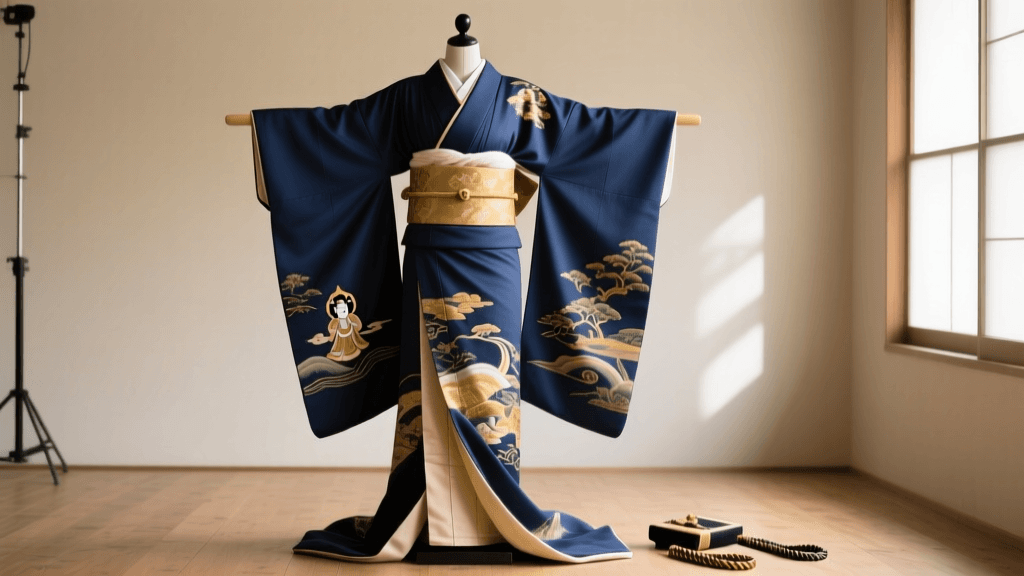
The theatrical kimono—referred to as shozoku in Noh and isho in Kabuki—differs vastly from standard formal wear. Theatrical garments are constructed with exaggerated proportions, heavier brocades, and specialized fastening systems designed to withstand the rigorous physical demands of the stage while remaining visible to the back rows of grand auditoriums. According to the Victoria and Albert Museum, the evolution of these stage garments directly influenced the development of mainstream Japanese fashion, particularly in the use of bold motifs and luxurious Nishijin-ori weaving techniques.
Noh Theater: Ethereal Elegance and Shozoku
Noh theater, the oldest of Japan’s major theatrical art forms, relies on subtlety, spiritual resonance, and slow, deliberate movement. The costumes, known as shozoku, are designed to reflect the otherworldly nature of the characters, many of whom are ghosts, deities, or spirits. Unlike the flashy aesthetics of Kabuki, Noh garments achieve their impact through the chiaroscuro effect of stage lighting hitting intricate weaves.
The most iconic Noh garment is the karaori, a stiff, heavily brocaded robe worn by female characters (played by male actors). Woven with gold and silver threads, the karaori is so dense and structured that it forces the actor to move with a gliding, unearthly grace. Another vital garment is the nuihaku, which features elaborate embroidery on silk satin, often depicting seasonal motifs like autumn grasses or flowing water. The inner lining of the nuihaku is frequently a contrasting color, revealed subtly during specific choreographed gestures to signify a shift in the character's emotional state.
In 2026, the preservation of Noh textiles is heavily supported by Japan’s Agency for Cultural Affairs, which has increased grants for master weavers in the Nishijin district of Kyoto. A single authentic karaori can take over a year to weave and cost upwards of ¥5,000,000, making them closely guarded heirlooms passed down through generations of Noh families.
Kabuki Theater: Spectacle, Weight, and the Hikinuki Technique
If Noh is a whisper, Kabuki is a roar. Emerging in the Edo period as entertainment for the common people, Kabuki is defined by its dramatic poses (mie), exaggerated makeup (kumadori), and spectacular costumes (isho). Kabuki kimonos are designed for maximum visual impact, utilizing massive padded shoulders, trailing hems, and voluminous sleeves that amplify the actor's physical presence.
The most remarkable engineering feat in Kabuki costuming is the hikinuki (quick-change) technique. During a dramatic climax, an actor may need to transform instantly from a humble pilgrim to a vengeful warrior. To achieve this, the outer kimono is basted together with specialized threads. At a precise musical cue, stage assistants (kuroko) pull these threads, causing the outer garment to fall away or flip inside out, instantly revealing a completely different, vibrant kimono underneath. This requires meticulous tailoring; the garments must be heavy enough to drape beautifully but light enough to fall flawlessly on cue.
According to the Kabukiza Theatre in Tokyo, modern Kabuki productions in 2026 still rely on traditional Edo-period construction methods for their lead garments. The sheer weight of a lead actor's costume can exceed 20 kilograms (44 pounds), requiring immense physical stamina. The textiles often feature bold, oversized crests and striking color contrasts, such as deep indigo paired with vibrant vermilion, ensuring the character's silhouette reads clearly from the highest balcony seats.
Bunraku Puppet Theater: Engineering Miniature Masterpieces
Bunraku, Japan’s traditional puppet theater, presents a unique set of challenges for kimono artisans. The puppets (ningyo) are approximately one-half to two-thirds the size of a human, and each is operated by three puppeteers. The costumes must be scaled down perfectly, but more importantly, they must accommodate the complex articulation of the puppet's wooden joints and the hands of the puppeteers hidden beneath the fabric.
Bunraku kimonos are constructed with wider necklines and specialized openings to allow the primary puppeteer’s head and the secondary puppeteers' arms to move freely without disrupting the illusion of the garment. The fabrics used are often high-quality silk crepe (chirimen) or lightweight brocades that mimic the drape of full-sized human clothing on a smaller scale. Because the puppets cannot rely on facial expressions to convey emotion (their carved faces are mostly static), the costume's color, pattern, and the way the fabric rustles during movement are critical to storytelling.
In 2026, the National Bunraku Theatre in Osaka has introduced augmented reality (AR) guides for international tourists, allowing audiences to scan the stage with their devices to see the intricate layering and hidden tailoring of the puppet costumes in real-time.
Comparative Guide to Theatrical Kimonos
Understanding the distinctions between these three theatrical traditions is essential for any textile enthusiast or cultural traveler. Below is a comparative analysis of their primary garment characteristics.
| Theater Type | Primary Garment Term | Average Weight | Key Textile Feature | 2026 Viewing Location |
|---|---|---|---|---|
| Noh | Shozoku (Karaori) | 8 - 12 kg | Stiff Nishijin brocade, gold leaf | National Noh Theatre (Tokyo) |
| Kabuki | Isho (Hikinuki) | 15 - 25 kg | Padded hems, quick-release basting | Kabukiza Theatre (Tokyo) |
| Bunraku | Ningyo Isho | 1 - 2 kg | Scaled chirimen silk, joint openings | National Bunraku Theatre (Osaka) |
Actionable Guide: Experiencing Theatrical Garments in 2026
For travelers and textile scholars visiting Japan in 2026, experiencing these garments goes beyond simply buying a ticket to a performance. Here is how you can intimately engage with theatrical kimono culture:
- Backstage Costume Tours: The Kabukiza Theatre offers premium "Behind the Scenes" tours (¥3,500 in 2026) that include visits to the costume department. You can observe the oshikiri (costume cutters) and see the basting techniques used for hikinuki up close.
- Museum Exhibitions: The National Theatre of Japan in Tokyo rotates its costume exhibitions quarterly. In 2026, their spring exhibition focuses on the evolution of the nuihaku in Noh theater, displaying garments dating back to the Muromachi period alongside modern recreations.
- Textile Workshops: For hands-on experience, several studios in Kyoto now offer specialized workshops on theatrical dyeing. While you won't weave a full karaori in a day, you can learn the surihaku technique, where gold and silver foil is pressed onto silk using rice glue, a staple in Noh costume decoration.
- Puppet Making & Dressing Demonstrations: In Osaka, the Bunraku association hosts monthly workshops where master craftsmen demonstrate how to properly dress a puppet, highlighting the hidden padding and structural ties that give the miniature kimonos their lifelike silhouette.
Conclusion
The kimonos of Noh, Kabuki, and Bunraku are far more than historical relics; they are living, breathing components of Japan's performing arts ecosystem. In 2026, the intersection of ancient weaving techniques and modern preservation efforts ensures that these magnificent garments will continue to define the visual language of Japanese theater. Whether you are marveling at the ethereal gold weaves of a Noh ghost, the explosive quick-changes of a Kabuki warrior, or the meticulous tailoring of a Bunraku princess, the theatrical kimono remains a testament to the unparalleled skill of Japan's textile artisans.