Kimono Trade Routes: 2026 Guide To Imported Textiles
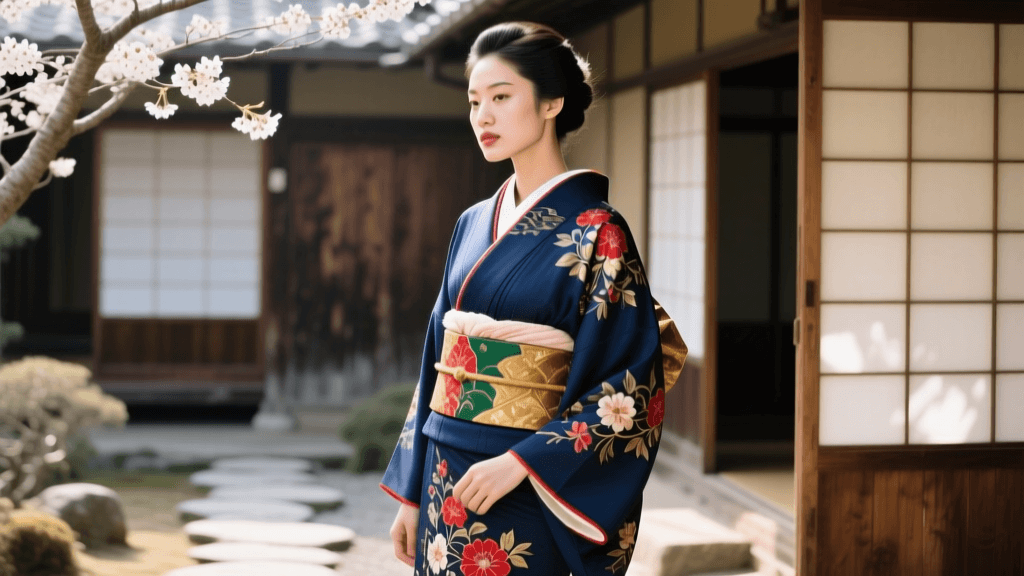
The Global Threads of the Kimono: Tracing Historical Trade Routes
When we envision the traditional Japanese kimono, it is easy to imagine an isolated, purely domestic art form untouched by outside influence. However, the truth is far more dynamic. The kimono has always been a canvas for global exchange, shaped profoundly by centuries of international trade routes. As we navigate the fashion and textile landscape in 2026, there is a massive resurgence of interest in these historical imports. Modern collectors, historians, and contemporary artisans are actively reviving the techniques and materials that first arrived in Japan via the Silk Road and maritime highways.
Historically, Japan’s textile evolution was heavily influenced by its neighbors and distant trading partners. According to The Metropolitan Museum of Art's Heilbrunn Timeline of Art History, the influx of foreign textiles during the Nara and Heian periods fundamentally altered Japanese weaving and dyeing practices. Chinese silks, Indian cottons, and eventually European wools and velvets were not merely consumed; they were meticulously deconstructed, studied, and reimagined by Japanese artisans to create entirely new hybrid textile traditions.
In 2026, the narrative of the 'isolated' Japanese garment has been thoroughly debunked by major global exhibitions and a new generation of kimono stylists who celebrate the 'Neo-Nanban' aesthetic—a modern homage to the foreign traders (Nanban-jin) who first brought exotic fabrics to Japanese shores in the 16th and 17th centuries.
Key Historical Imports That Transformed Japanese Garments
To understand the 2026 revival market, one must first identify the three major categories of historical textile imports that forever changed the kimono.
1. Kara-ori and Chinese Silk Weaves
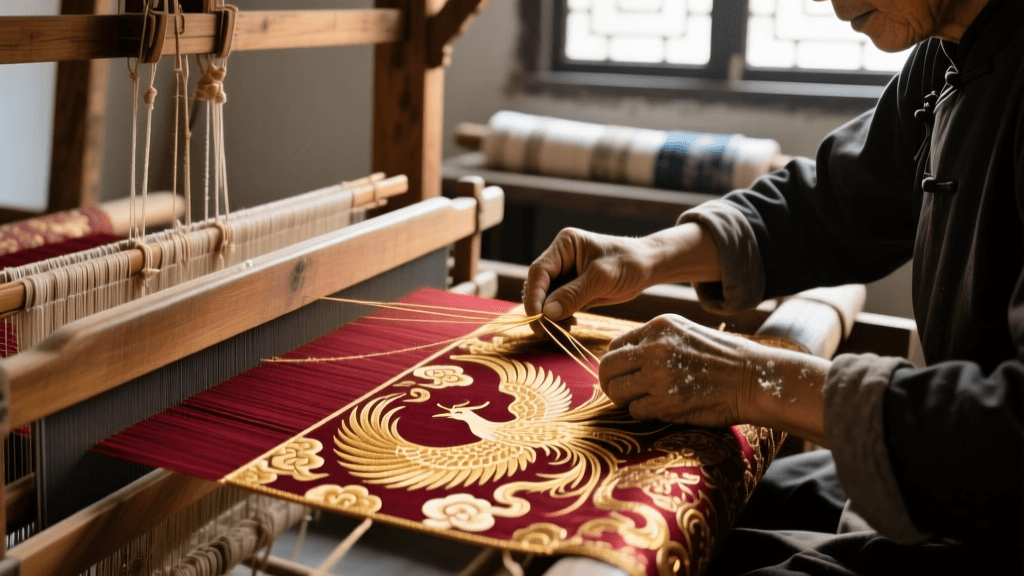
The term kara-ori translates roughly to 'Chinese weave.' During the Tang and Ming dynasties, luxurious brocades, damasks, and twill silks were imported into Japan, primarily through diplomatic gifts and regulated trade. These textiles featured complex floating wefts and metallic threads. Japanese weavers in the Nishijin district of Kyoto spent centuries reverse-engineering these imports. Today, Nishijin brocade remains the pinnacle of formal kimono fashion, and the 2026 market sees a high demand for vintage kara-ori obis that feature traditional Chinese auspicious motifs like the phoenix and the peony, reinterpreted through a Japanese lens.
2. Sarasa: The Indian Chintz Revolution
Perhaps no import disrupted the Edo-period fashion hierarchy quite like sarasa—Indian chintz and printed cottons from the Coromandel Coast. While silk was heavily regulated and restricted to the samurai and aristocratic classes, cotton was accessible to the merchant classes. Indian sarasa featured vibrant, colorfast mordant dyes (like madder red and indigo) that far surpassed early Japanese dyeing capabilities. Curators at the Victoria and Albert Museum's Asian Collections frequently highlight how Japanese artisans eventually developed their own stencil-dyeing techniques (kata-zome) to mimic these beloved Indian floral and geometric patterns. In 2026, sustainable fashion movements have sparked a revival of natural-dye sarasa kimono jackets, prized for their breathability and historical authenticity.
3. European Wools, Velvets, and the 'Nanban' Influence
When Portuguese and Dutch traders arrived in the 16th and 17th centuries, they brought heavy European wools, camel hair (rakuda), and cut velvets (biron). Because these materials were incredibly rare and expensive, they were rarely used for full kimonos. Instead, they were fashioned into striking haori (jackets), uchikake (outer robes), and jinbaori (surcoats worn over armor). The contrast of dark European velvet adorned with Japanese family crests (mon) remains one of the most striking visual legacies of this trade era.
The 2026 Revival: Artisans Reimagining the Trade Routes
The year 2026 marks a pivotal moment for heritage textiles in Japan. With a growing global emphasis on slow fashion and artisanal transparency, Kyoto-based weaving houses and dyers are actively recreating historical import textiles using modern, eco-conscious methods. Exhibitions at the Kyoto National Museum have recently spotlighted these cross-cultural exchanges, driving consumer interest toward garments that tell a global story.
Contemporary artisans are now sourcing ethically produced Indian madder and natural indigo to recreate Edo-period sarasa patterns on premium domestic cotton. Similarly, Nishijin weavers are integrating recycled metallic threads to mimic the opulence of Ming dynasty brocades without the environmental toll of traditional mining. For the modern collector, this means 2026 is an exceptional year to invest in 'revival' pieces that offer historical accuracy with modern durability and ethical sourcing.
2026 Collector’s Guide: Pricing and Identification Table
Whether you are hunting for an authentic antique or a newly woven 2026 revival piece, understanding the market pricing and identification markers is crucial. Below is a comparative guide to the current market landscape.
| Textile Type | Historical Origin | 2026 Revival Price Range (USD) | Antique Price Range (USD) | Key Identification Markers |
|---|---|---|---|---|
| Kara-ori (Brocade) | China (Tang/Ming) | $800 - $2,500 | $1,200 - $5,000+ | Complex floating wefts, metallic threads, phoenix/dragon motifs. |
| Sarasa (Chintz/Cotton) | India (Coromandel) | $300 - $900 | $600 - $2,000 | Madder red/indigo dyes, floral/geometric stenciling, cotton base. |
| Biron (Velvet) | Europe (Dutch/Portuguese) | $1,500 - $4,000 | $3,000 - $10,000+ | Cut pile texture, heavy drape, often features applied gold-leaf mon. |
| Rakuda (Wool/Camel Hair) | Europe/Middle East | $500 - $1,200 | $1,500 - $4,500 | Warm, matte texture, frequently used in men's haori and winter garments. |
Actionable Advice for Sourcing Trade-Route Kimonos in 2026
If you are looking to add historically significant, trade-inspired garments to your collection this year, follow these actionable steps to ensure authenticity and quality.
1. Navigate the Nishijin Textile Center for Modern Revivals
For contemporary kara-ori and brocade obis that trace their lineage to Chinese imports, the Nishijin Textile Center in Kyoto remains the premier destination. In 2026, many weavers offer custom commissions using heritage looms. Request a 'trade-route' pattern catalog, which specifically features motifs adapted from historical Silk Road textiles. Expect to pay a premium (starting around $1,200 USD) for hand-woven obis, but the investment guarantees a piece of living history.
2. Verify Antique Sarasa via Dye Analysis
When purchasing antique sarasa from the Edo or Meiji periods through specialized online auction houses or vintage dealers in Tokyo's Otsuka district, ask for documentation regarding the dyes. True historical imports or early domestic mimics will use natural madder and indigo. Under UV light, natural indigo will not fluoresce brightly like synthetic chemical dyes (introduced in the late 19th century). Synthetic dyes will often show a harsh, uniform glow, indicating a later Meiji or Taisho era piece rather than an Edo-period treasure.
3. Inspect European Velvet (Biron) for 'Yaki-biron' Techniques
Japanese artisans didn't just import European velvet; they learned to manipulate it. Look for yaki-biron (burned velvet) or kiri-biron (cut velvet) techniques on antique haori. This involves selectively cutting or burning away the velvet pile to reveal the satin underlay, creating intricate patterns. In 2026, authenticating these pieces requires checking the backing fabric; historical pieces will feature hand-spun silk or fine cotton backings, whereas modern theatrical reproductions often use synthetic rayon blends.
4. Leverage 2026 Digital Authentication Tools
Several prominent Japanese textile preservation societies have launched AI-assisted weave analysis apps in 2026. By uploading high-resolution macro photos of a garment's weave structure, collectors can cross-reference the textile against databases of known historical imports and domestic revivals. While not a replacement for a professional appraiser, these tools are invaluable for preliminary vetting when shopping at international estate sales or online kimono markets.
Conclusion: Wearing the World on Your Sleeve
The kimono is not a relic of a closed society; it is a meticulously curated archive of global trade, adaptation, and artistic brilliance. From the vibrant madder reds of Indian sarasa to the opulent metallic threads of Chinese kara-ori and the rich textures of European velvet, the garments of Japan tell the story of a culture that eagerly absorbed the world and made it uniquely its own. As the 2026 market continues to celebrate these cross-cultural revivals, collectors and enthusiasts have an unprecedented opportunity to wear, preserve, and honor the global threads that bind the history of the kimono.