Nishijin-Ori Silk vs Jacquard for Kimono Obi: 2026 Buyer Guide
The Soul of the Ensemble: Choosing Your Obi Fabric in 2026
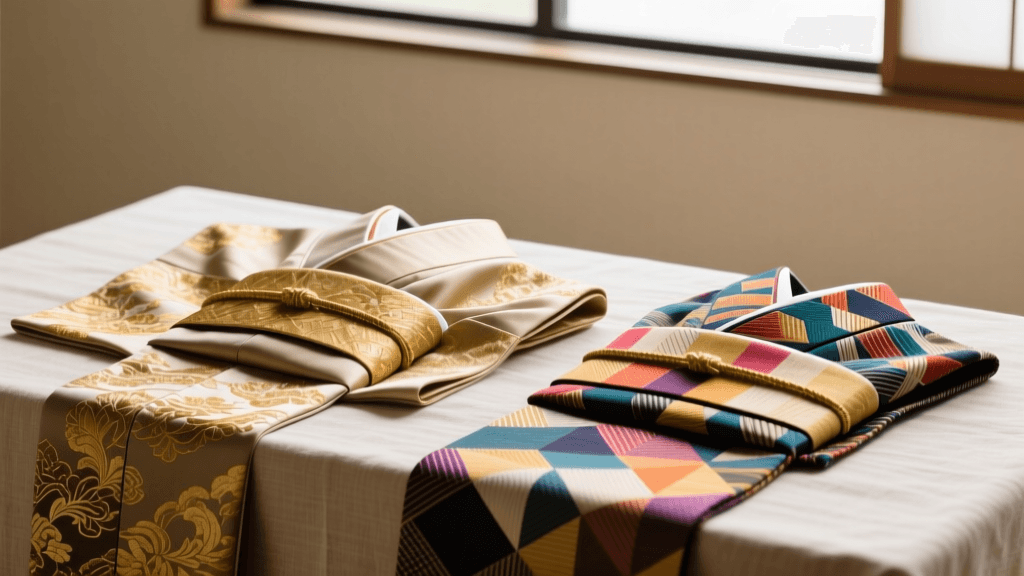
When assembling a traditional Japanese kimono ensemble, the obi (sash) is undeniably the focal point. It dictates the formality, seasonality, and overall aesthetic harmony of the wearer's silhouette. As we navigate the traditional garment market in 2026, buyers and collectors face a critical textile decision: investing in authentic, hand-loomed Nishijin-ori silk or opting for advanced, computerized jacquard blends. Both fabrics offer distinct advantages, but understanding their structural, aesthetic, and financial differences is paramount for anyone serious about Asian traditional garments.
The year 2026 has brought significant shifts to the textile industry. Sustainable sourcing, AI-assisted loom programming, and a renewed global interest in heritage crafts have reshaped how these fabrics are produced and priced. This comprehensive guide will dissect the nuances of Nishijin-ori and modern jacquard, providing you with the actionable knowledge needed to make an informed purchase.
The Legacy and 2026 Reality of Nishijin-Ori
Nishijin-ori is not merely a fabric; it is a designated traditional craft of Kyoto, representing over 1,200 years of weaving history. The term translates to 'Nishijin weave,' named after the Nishijin district in Kyoto where these master artisans operate. According to the Nishijin Textile Industrial Association, authentic Nishijin-ori requires a complex, multi-step process that often involves over twelve distinct specialized artisans, from the yarn dyer to the loom operator.
Material and Weave Techniques
Authentic Nishijin-ori relies heavily on premium domestic and imported silk threads, often interwoven with metallic elements. In traditional pieces, gold and silver threads are created by applying real metal leaf to washi (Japanese paper), which is then cut into microscopic strips and wrapped around a silk core. This technique, known as Kinran and Ginran, gives the obi a profound, deep luster that synthetic films cannot replicate.
Key weaving styles you will encounter in 2026 include:
- Kara-ori: A dense, embroidered-style weave often used for the most formal maru-obi and fukuro-obi. It is incredibly stiff and heavy, providing excellent structural support for complex knots.
- Tsuzure-ori: A tapestry weave where the weft threads completely conceal the warp. Artisans use their fingernails, filed into tiny teeth, to pack the weft threads tightly together, creating intricate, painterly motifs.
- Nishiki: A multi-colored brocade that is highly prized for its vibrant, layered patterns.
The 2026 Market and Pricing
Due to the aging population of master weavers in Kyoto and the rising cost of raw, high-grade silk, authentic newly woven Nishijin-ori has become a luxury investment. In 2026, a brand-new, hand-loomed fukuro-obi (the standard formal obi) typically starts at ¥150,000 (approximately $1,000 USD) and can easily exceed ¥1,000,000 for masterworks featuring extensive gold leaf and tsuzure-ori tapestry work. Vintage pieces from the mid-20th century remain a more accessible entry point, often ranging from ¥30,000 to ¥80,000, provided they are in excellent condition.
Modern Jacquard: The 2026 Technological Alternative
Jacquard weaving, which utilizes a mechanized system of punch cards or, in 2026, advanced digital micro-controllers to lift individual warp threads, has revolutionized textile production. While the jacquard loom itself was invented in the 19th century, the 2026 iterations of these machines are marvels of precision engineering. Modern computerized jacquard looms can replicate the visual complexity of Nishijin brocades at a fraction of the time and cost.
Material Blends and Innovations
Unlike the strict 100% silk and natural material requirements of heritage Nishijin-ori, modern jacquard obi fabrics frequently utilize blends. A common 2026 composition is a silk-polyester blend (often 60% silk, 40% polyester) or high-grade rayon. These synthetic additions are not necessarily a detriment; they introduce wrinkle resistance, reduce the overall weight of the obi, and make the fabric more forgiving when tying tight knots like the otaiko (drum knot).
Furthermore, modern metallic threads in jacquard obi are typically created using laminated synthetic films (such as polyester or PVC) coated with metallic pigments. While they offer a brilliant, untarnishing shine, they lack the deep, organic warmth of traditional washi-wrapped gold threads.
Pricing and Accessibility
The primary advantage of modern jacquard is affordability. In 2026, a high-quality, machine-woven jacquard fukuro-obi with a silk-blend composition generally retails between ¥15,000 and ¥45,000 ($100 to $300 USD). This price point makes it the default choice for everyday kimono wearers, tea ceremony students, and those building a versatile, multi-season wardrobe without exhausting their budget.
Head-to-Head Comparison: Nishijin-Ori vs. Modern Jacquard
To help you weigh your options, refer to the structured comparison below detailing the core differences between these two textile categories as of the 2026 market.
| Feature | Authentic Nishijin-Ori | Modern Jacquard (2026 Blends) |
|---|---|---|
| Primary Material | 100% Silk, Washi paper, Real Gold/Silver Leaf | Silk-Poly Blends, Rayon, Synthetic Metallic Films |
| Weaving Method | Hand-loomed or traditional semi-mechanized looms | Fully computerized, high-speed digital jacquard looms |
| Weight and Drape | Heavy, extremely stiff, holds rigid shapes perfectly | Lightweight to medium, flexible, easier to tie for beginners |
| 2026 Price Range (Fukuro) | ¥150,000 - ¥1,000,000+ (New) | ¥15,000 - ¥45,000 (New) |
| Metallic Luster | Deep, warm, multi-dimensional, ages gracefully | Bright, highly reflective, uniform, does not tarnish |
| Best Use Case | Weddings, formal ceremonies, heritage collecting | Daily wear, tea ceremony, casual parties, beginners |
How to Authenticate and Inspect the Fabric
When shopping in Kyoto's vintage markets or browsing online auctions in 2026, distinguishing between a high-end modern jacquard and a true Nishijin-ori piece requires a trained eye and tactile sensitivity. The Metropolitan Museum of Art's Heilbrunn Timeline of Art History notes that the structural integrity of Japanese brocades is best understood by examining the reverse side of the textile.
The Reverse Side Test
Turn the obi over. In a true tsuzure-ori or high-end kara-ori, the reverse side will reveal the structural 'skeleton' of the weave. You will see loose, floating weft threads where colors change, and the back will look distinctly different from the front, often showing a 'negative' of the pattern. Conversely, many modern machine-woven jacquards utilize a double-cloth or tightly interlocked structure where the back is either perfectly mirrored, heavily backed with a uniform synthetic lining, or shows a highly uniform, pixelated grid of interlocking threads.
The 'Kinukaze' (Silk Wind) Sound Test
Pure silk produces a distinct, crisp rustling sound when scrunched in the hands, known in Japan as kinukaze or 'silk wind.' Authentic Nishijin-ori, due to its dense silk warp and weft, produces a deep, resonant crunch. Synthetic blends or rayon-heavy jacquards will feel softer, slipperier, and produce a muted, dull sound when compressed. Furthermore, real washi-wrapped gold threads will feel slightly textured and dry to the touch, whereas synthetic metallic films will feel smooth, plasticky, and cold.
Sizing, Knots, and Drape Dynamics
Your fabric choice directly impacts how the obi behaves when tied. The standard fukuro-obi measures approximately 31.5 cm in width and 420 to 450 cm in length. However, the thickness of the weave dictates which knots are viable.
- For Nishijin-Ori: The extreme stiffness of heavy kara-ori makes it ideal for the niju-daiko (double drum knot) worn with formal kurotomesode or furisode. The fabric holds the rigid, boxy shape of the otaiko without collapsing. However, its thickness can make the folding process physically demanding, often requiring the use of an obi-age (sash scarf) and obi-jime (cord) to secure the bulk.
- For Modern Jacquard: The lighter, more pliable nature of silk-poly jacquards makes them incredibly versatile. They are perfect for the nagoya-obi format (which is pre-folded and sewn for ease of use) and are highly recommended for beginners learning to tie the ichiju-daiko (single drum knot) or the decorative bunko (bow knot) on summer yukata or komon kimono.
2026 Care and Preservation Protocols
Proper care ensures these textiles survive for generations. The Victoria and Albert Museum's Asian Collections department emphasizes that light, humidity, and improper folding are the primary enemies of historic textiles.
Storage Solutions
Never store your obi in plastic bins, which trap moisture and encourage mold growth. In 2026, the gold standard for storage remains the traditional kiri (paulownia wood) box. Paulownia is naturally hygroscopic, meaning it regulates internal humidity, and it contains natural insect-repelling properties. If a paulownia box is outside your budget, use acid-free archival tissue paper to wrap the obi, and store it in a breathable cotton bag within a dark, climate-controlled closet.
Cleaning and Maintenance
Authentic Nishijin-ori should never be washed with water. The metallic washi threads will disintegrate, and the silk will warp irreparably. Spot cleaning with a specialized silk eraser is possible for minor surface dust. For deep cleaning, you must seek out a traditional arai-hari service or a specialized heritage dry cleaner who uses hydrocarbon-based solvents safe for metallic leaf. Modern jacquard blends, particularly those with high polyester content, are more resilient, but professional dry cleaning is still heavily recommended to preserve the structural tension of the jacquard weave.
Conclusion: Making the Right Choice
The decision between authentic Nishijin-ori and modern jacquard ultimately hinges on your budget, your intended use, and your appreciation for heritage craftsmanship. If you are attending a highly formal event, investing in a piece of wearable art, or seeking the unparalleled depth of natural silk and gold leaf, a Nishijin-ori obi is an irreplaceable treasure. Conversely, if you are a modern kimono enthusiast seeking versatility, ease of tying, and budget-friendly elegance for frequent wear, the advanced jacquard blends of 2026 offer a brilliant, practical alternative. By understanding the weave, the materials, and the proper care techniques, you ensure that your chosen obi will beautifully anchor your kimono ensemble for years to come.