Chinese Natural Dye Plants: Eco-Friendly Textile Guide 2026
The Renaissance of Cao Mu Ran: Botanical Dyes in 2026
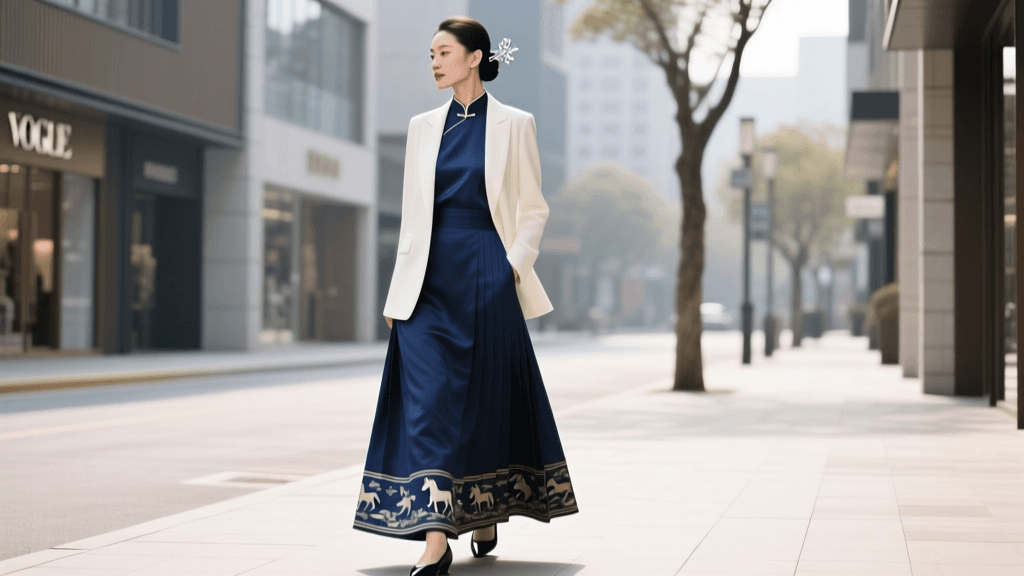
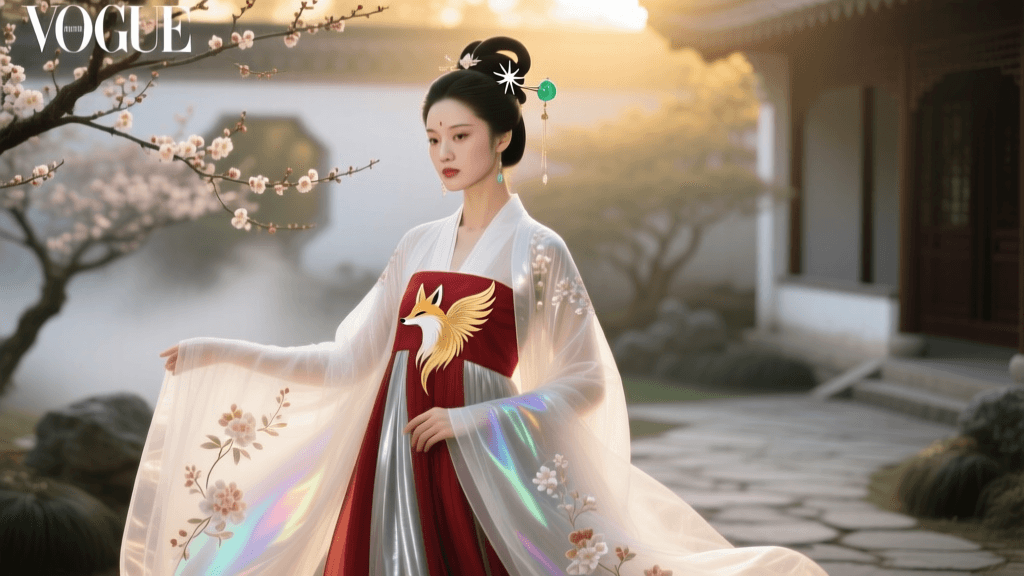
As the global fashion and textile industries face mounting pressure to eliminate toxic effluents and microplastic pollution, 2026 has marked a definitive turning point toward regenerative and botanical colorants. Traditional Chinese natural dyeing, known historically as Cao Mu Ran (grass and tree dyeing), is experiencing a massive renaissance. No longer confined to museum archives or niche artisanal workshops, these ancient botanical techniques are being scaled by sustainable fashion cooperatives and eco-conscious brands worldwide. By leveraging indigenous Chinese dye plants, modern textile artisans are achieving vibrant, colorfast hues while actively restoring soil health and protecting local waterways.
The Environmental Imperative for Natural Colorants
The shift away from synthetic azo dyes is driven by stark environmental realities. According to the UN Environment Programme (UNEP), the textile dyeing and finishing sector remains one of the most significant contributors to global industrial water pollution. Synthetic dye production relies heavily on petrochemicals, and the resulting wastewater often contains heavy metals, formaldehyde, and non-biodegradable toxins. In contrast, the 2026 eco-textile movement champions closed-loop botanical dyeing. Plants like Chinese indigo and madder not only yield exquisite colors but also sequester carbon during their growth cycles. Furthermore, modern advancements in bio-mordants and natural reduction agents have eliminated the need for harsh chemical fixatives, making the entire lifecycle of the garment biodegradable and non-toxic.
Mastering the Botanical Palette: Key Chinese Dye Plants
To successfully integrate traditional Chinese dyes into a modern, sustainable wardrobe or textile production line, artisans must understand the unique chemical properties of the region's native flora. Below are the cornerstone plants driving the 2026 natural dye revival.
Liao Lan (Polygonum tinctorium) - The Indigo Backbone
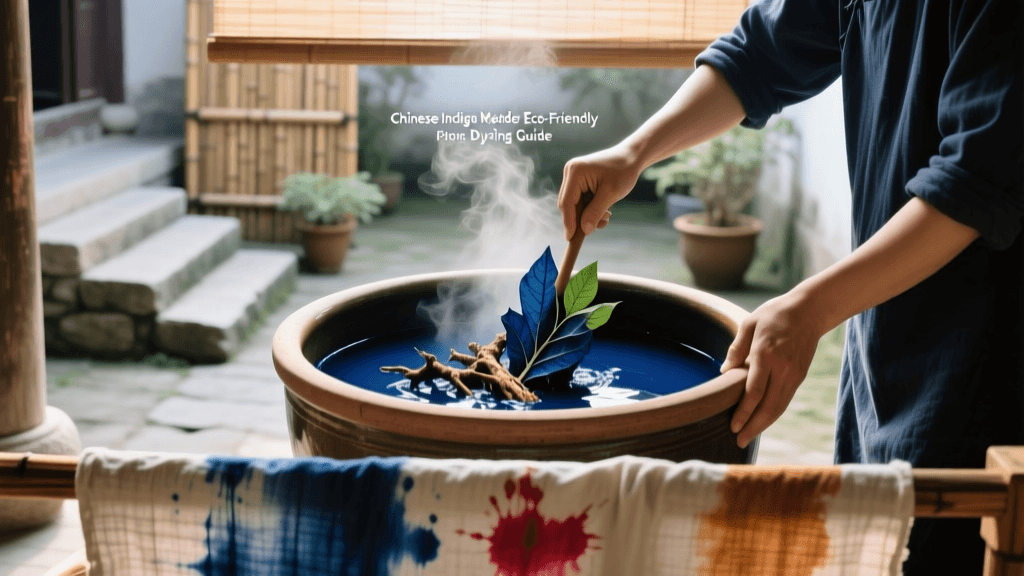
While Isatis tinctoria (woad) and Indigofera tinctoria are well-known globally, Polygonum tinctorium, or Liao Lan, is the historic heart of Chinese indigo dyeing, particularly in the southwestern provinces of Guizhou and Yunnan. The leaves contain indican, which, through enzymatic hydrolysis and oxidation, transforms into the iconic indigotin pigment. In 2026, sustainable cooperatives have perfected the '1-2-3 fructose vat' method, using organic fruit sugars and calcium hydroxide to reduce the indigo without the toxic sodium dithionite used in conventional denim manufacturing. The result is a deep, living blue that continues to evolve and fade beautifully with the wearer's body chemistry.
Qian Cao (Rubia cordifolia) - The Madder Root
For warm reds, terracottas, and deep oranges, Qian Cao (Chinese Madder) is unparalleled. The dye compounds, primarily alizarin and purpurin, are concentrated in the root system. Harvesting practices in 2026 have shifted toward regenerative permaculture, where only a portion of the root is harvested, allowing the plant to regenerate and prevent soil erosion. Qian Cao requires a mordant to bind the pigment to cellulose or protein fibers. When paired with aluminum acetate or traditional alum, it produces brilliant, lightfast reds. Modifying the dye bath with iron water shifts the hue to deep, moody purples and muted browns, highly sought after in contemporary sustainable streetwear.
Huang Bo (Phellodendron amurense) - The Golden Bark
Huang Bo, or the Amur Cork Tree, yields a striking, luminous yellow derived from the alkaloid berberine found in its inner bark. Historically, Huang Bo was used to dye imperial manuscripts and high-status garments because berberine acts as a natural insect repellent, protecting textiles and paper from silverfish and moths. As detailed by botanical researchers at the Royal Botanic Gardens, Kew, plants containing these complex alkaloids offer functional benefits beyond mere aesthetics. In 2026, Huang Bo is highly prized for dyeing organic silk and lightweight linen summer garments, offering both a vibrant sunlit hue and natural antimicrobial properties.
Su Mu (Caesalpinia sappan) - The Sappanwood Heart
Su Mu provides a spectrum of pinks, magentas, and deep crimsons. The heartwood is chipped and simmered to extract brazilin, which oxidizes into brazilein upon exposure to air. It is incredibly potent; a small amount of wood yields a massive volume of dye liquor. In 2026, Su Mu is frequently used in combination with botanical tannins like gallnuts to create complex, multi-layered shades that mimic the depth of synthetic acid dyes without the environmental toll.
2026 Comparative Dye Profile Matrix
For textile designers and eco-fashion brands sourcing materials this year, understanding the yield, mordant requirements, and current market pricing is crucial for scalable production. The table below outlines the core metrics for these traditional plants.
| Plant Name (Pinyin / Botanical) | Target Hue | Mordant Requirement | Lightfastness (1-8) | 2026 Avg. Wholesale Cost |
|---|---|---|---|---|
| Liao Lan (Polygonum tinctorium) | Deep Blue / Navy | None (Vat Dye) | 7 (Excellent) | $45 - $55 / kg |
| Qian Cao (Rubia cordifolia) | Red / Terracotta | Alum (15% WOF) | 6 (Good) | $60 - $75 / kg |
| Huang Bo (Phellodendron amurense) | Luminous Yellow | None (Substantive) | 4 (Moderate) | $35 - $40 / kg |
| Su Mu (Caesalpinia sappan) | Pink / Crimson | Alum or Iron | 5 (Moderate-Good) | $28 - $32 / kg |
Note: WOF stands for Weight of Fiber. Wholesale costs reflect 2026 direct-from-cooperative pricing in Southwest China, excluding international shipping and carbon-offset tariffs.
The Artisan’s Protocol: Step-by-Step Eco-Dyeing
Achieving professional, colorfast results with Chinese botanical dyes requires precision, patience, and an understanding of natural chemistry. Below is a standardized, eco-friendly protocol for dyeing cellulose fibers (like organic cotton or hemp) using Qian Cao (Madder) in a modern studio setting.
- Scouring (Preparation): Natural fibers contain waxes, pectins, and oils that repel water-based dyes. Simmer the fabric in a solution of water and 2% WOF sodium carbonate (soda ash) for 60 minutes at 80°C. Rinse thoroughly in warm water.
- Tannin Treatment (Optional but Recommended): For deeper reds, treat the scoured fabric in a bath of gallnut extract (10% WOF) at 60°C for one hour. This creates a molecular bridge for the mordant.
- Mordanting: Dissolve 15% WOF aluminum acetate in warm water. Submerge the fabric and maintain a temperature of 50°C for 45 minutes. Aluminum acetate is preferred over aluminum potassium sulfate (standard alum) for cellulose fibers as it yields brighter, more wash-fast reds.
- Extraction: Simmer 50% WOF of dried Qian Cao root chips in water at 70°C for two hours. Critical Tip: Do not let the madder bath exceed 75°C, as higher temperatures extract brown, muddy compounds that dull the vibrant red alizarin.
- Dyeing: Strain the liquor, allow it to cool to 60°C, and introduce the mordanted fabric. Agitate gently for the first 15 minutes, then let it steep for 4 to 12 hours depending on the desired depth of color.
- Oxidation and Washing: Remove the fabric, squeeze gently, and hang it in a well-ventilated area away from direct sunlight to oxidize. Once the color has bloomed, wash in cool water with a pH-neutral, biodegradable soap until the water runs clear.
Sourcing, Regenerative Agriculture, and the Future
The true sustainability of natural dyes in 2026 extends beyond the dye pot; it is deeply rooted in agricultural practices. Leading eco-fashion brands are now partnering directly with farming cooperatives in Guizhou and Yunnan, implementing blockchain-traced supply chains that guarantee fair wages and verify regenerative farming methods. These cooperatives intercrop dye plants with food crops, utilizing natural pest management and avoiding synthetic fertilizers, thereby restoring local biodiversity.
Furthermore, the wastewater from botanical dye baths is no longer viewed as a liability. Because the plant matter and natural mordants are entirely biodegradable, the spent dye liquor is routinely composted or used to irrigate non-edible landscaping, closing the loop entirely. As consumers become increasingly educated about the hidden costs of fast fashion, the demand for garments dyed with Liao Lan, Qian Cao, and Huang Bo continues to surge. By embracing these ancient Chinese botanical traditions, the modern textile industry is not just reducing its environmental footprint—it is weaving a richer, more sustainable, and deeply cultural narrative into the very fabric of our clothing.