Japanese Textile Collabs 2026: Nishijin-Ori & Sashiko Guide
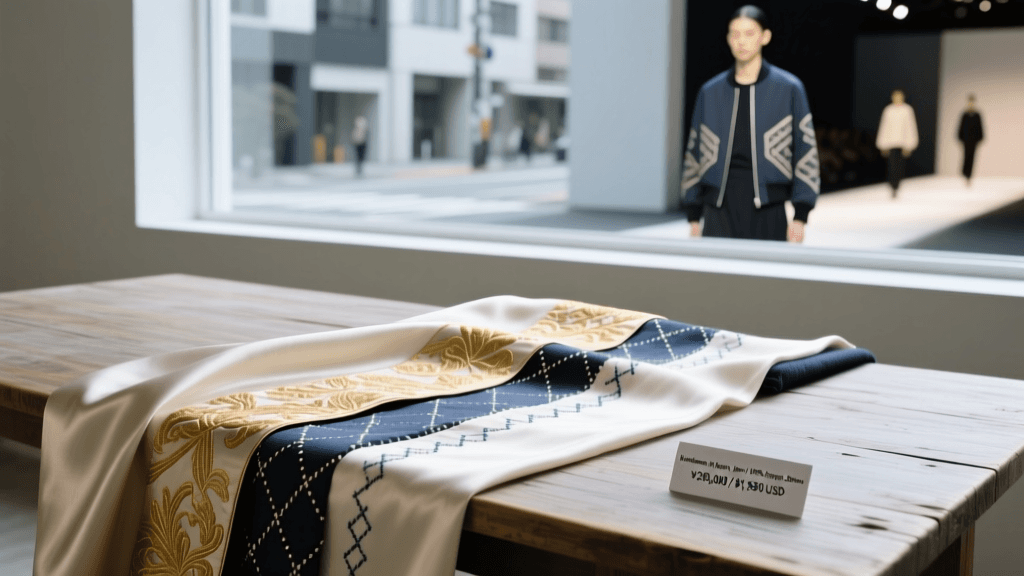
The 2026 Renaissance of Japanese Heritage Textiles in Global Fashion
As the global fashion industry pivots toward heritage, sustainability, and profound storytelling in 2026, traditional Japanese textiles have moved from niche archival references to the forefront of international design collaborations. European luxury houses, global streetwear conglomerates, and avant-garde outdoor brands are actively partnering with multi-generational artisan workshops in Kyoto and the Tohoku region. This cross-pollination is not merely aesthetic; it represents a vital economic lifeline for Japan's aging artisan communities and a masterclass in sustainable luxury for the international market.
For designers, buyers, and cultural historians, understanding the mechanics, pricing, and ethical sourcing of these collaborative textiles is essential. The days of simply importing vintage fabrics are over. Today's international collaborations involve co-developing new textile hybrids that respect ancient techniques while meeting modern performance and sustainability standards. This comprehensive guide breaks down the two most sought-after collaborative textile categories in 2026: Kyoto's Nishijin-Ori and the Tohoku region's Sashiko and Boro techniques, providing actionable data for industry professionals.
Nishijin-Ori: The Pinnacle of Haute Couture Collaborations
Nishijin-Ori, the illustrious jacquard weaving tradition of Kyoto, has long been associated with the opulent obi sashes worn with kimono. However, in 2026, the most exciting developments are occurring in the collaborative spaces between Kyoto weavers and Parisian haute couture houses. International designers are commissioning Nishijin-Ori workshops to weave intricate, multi-layered patterns using innovative, sustainable material blends.
A major breakthrough in 2026 is the integration of biodegradable metallic threads and recycled silk blends into traditional kinran (gold brocade) and ginran (silver brocade) techniques. European luxury brands, under strict 2026 EU sustainability directives, are partnering with Kyoto cooperatives to ensure that the luxurious sheen of Nishijin-Ori can be achieved without relying on virgin synthetic lurex or environmentally taxing mined metals. These collaborative fabrics are primarily being utilized for structured eveningwear, bespoke tailoring lapels, and high-end luxury accessories.
For international brands looking to collaborate, the barrier to entry is high but rewarding. The weaving process requires the creation of custom punch cards (or digital jacquard equivalents) and the meticulous setup of the loom, which can take weeks before a single meter of fabric is produced. Consequently, Nishijin-Ori collaborations are reserved for flagship capsule collections where the narrative of the garment justifies the premium price point and extended lead times.
Sashiko and Boro: The Global Streetwear and Outdoor Boom
While Nishijin-Ori dominates the luxury runway, the functional, deeply historical techniques of Sashiko (decorative reinforcement stitching) and Boro (patchwork mending) from Japan's Tohoku region have become the undisputed kings of the 2026 global streetwear and techwear markets. Brands specializing in premium outdoor gear and archival streetwear are collaborating with Tohoku artisans to apply these techniques to modern performance fabrics, including Kevlar blends, heavy-weight selvedge denim, and waterproof Gore-Tex canvases.
The appeal of Sashiko in 2026 lies in its dual nature: it is simultaneously a striking visual motif and a structural reinforcement method. International outdoor brands are utilizing hand-stitched Sashiko to reinforce high-stress areas on technical jackets, merging the romanticism of Japanese folk craft with the rugged demands of modern alpine gear. Meanwhile, Boro patchwork is being reimagined using upcycled deadstock fabrics from global fashion houses, creating one-of-a-kind, zero-waste outerwear pieces that command premium prices in the secondary market.
However, the surge in demand has led to a critical bottleneck: the scarcity of master artisans capable of executing authentic, hand-stitched Sashiko on thick, modern technical fabrics. To manage this, the Japanese government and local cooperatives have implemented strict artisan allocation systems to prevent burnout and preserve the integrity of the craft. International brands must now book 'stitching hours' up to a year in advance, fundamentally changing the fashion production calendar.
2026 Textile Collaboration Data: Pricing and Lead Times
The following table provides a benchmark for international buyers and designers sourcing Japanese heritage textiles for collaborative collections in 2026. Prices are estimated averages based on current cooperative export rates and include artisan fair-trade premiums.
| Textile Category | Technique & Material | 2026 Avg. Price (USD/m) | Lead Time | Primary 2026 Collab Application |
|---|---|---|---|---|
| Traditional Nishijin-Ori | Silk Jacquard, Gold Leaf | $850 - $1,400 | 6 - 9 Months | Haute Couture Eveningwear, Bespoke Tailoring |
| Contemporary Nishijin-Ori | Recycled Silk & Bio-Metallic | $420 - $650 | 3 - 5 Months | Luxury Streetwear Outerwear, Accessories |
| Heritage Tohoku Sashiko | Hand-Stitched Indigo Cotton | $300 - $500 | 4 - 7 Months | Archival Outdoor Gear, Premium Denim |
| Tech-Sashiko Hybrid | Machine-Assisted on Kevlar | $120 - $220 | 6 - 10 Weeks | Mass-Market Techwear, Fast-Fashion Capsules |
How to Source Authentic Collaborative Textiles in 2026
Sourcing authentic Japanese textiles for international collaboration requires navigating a complex web of cultural protocols, language barriers, and government regulations. Direct cold-calling to individual weaving households is generally ineffective and considered culturally inappropriate. Instead, international brands must work through established cooperative portals and government-backed initiatives designed to facilitate global trade while protecting artisan interests.
The most vital resource for international designers in 2026 is the GO ON Kyoto initiative. This organization acts as a bridge between Kyoto's traditional industries and global markets, offering translation services, matchmaking with specific weaving houses, and logistical support for export compliance. For brands interested in Nishijin-Ori, Yuzen dyeing, or Kyo-kumihimo (braided cords), initiating contact through this portal ensures that your inquiry is vetted and directed to workshops that are currently accepting international commissions.
For textiles originating outside of Kyoto, such as Tohoku Sashiko or Oshima Tsumugi, designers should consult the Ministry of Economy, Trade and Industry (METI) Traditional Crafts portal. This database lists all officially designated traditional craft products and their respective cooperative associations. Reaching out to the regional cooperative, rather than an individual artisan, allows the association to distribute the collaborative workload among multiple workshops, ensuring that no single artisan is overwhelmed and that the stringent quality controls of the METI designation are maintained.
When drafting a collaboration proposal, international brands must be prepared to provide comprehensive tech packs, detailed sustainability compliance reports, and a clear narrative of how the traditional craft will be honored in the final marketing campaign. Japanese cooperatives in 2026 are highly protective of their cultural heritage and will reject partnerships that treat their textiles as mere exotic novelties.
Sustainability, Ethics, and the Artisan Allocation System
The most critical challenge facing Japanese traditional textiles in 2026 is the severe aging of the artisan workforce. With the average age of a master weaver or Sashiko stitcher exceeding 70, the supply of authentic, hand-crafted textiles is inherently limited. To combat the exploitation of this vulnerable workforce, regional cooperatives have formalized the 'Artisan Allocation System'.
This system caps the number of hours an artisan can be commissioned for international projects, ensuring they have adequate time for rest, teaching apprentices, and fulfilling domestic cultural obligations. For international brands, this means that 'rush orders' are virtually impossible. Production schedules must be built around the cooperative's allocation calendar, often requiring brands to finalize their textile orders a full year before the garment's intended retail launch.
Furthermore, ethical compensation has become a non-negotiable standard. The prices listed in our data table reflect the 2026 fair-trade premiums mandated by the cooperatives. These premiums fund apprentice stipends, workshop maintenance, and healthcare for aging artisans. Brands attempting to negotiate these rates down will find themselves blacklisted from future collaborations. The modern luxury consumer is highly educated on supply chain ethics, and the premium cost of these textiles is easily justified through transparent storytelling regarding artisan welfare.
Care and Maintenance for Collaborative Garments
The fusion of traditional Japanese textiles with modern international garment construction creates unique challenges for care and maintenance. Nishijin-Ori, with its complex floating threads and delicate metallic elements, cannot withstand standard dry-cleaning chemicals, which can strip the natural oils from the silk and tarnish the bio-metallic threads. In 2026, luxury houses are including specialized care kits with their collaborative pieces, featuring pH-neutral botanical cleansers and instructions for professional ozone cleaning.
Sashiko and Boro garments, particularly those applied to heavy denim or technical outdoor gear, require a different approach. The indigo dyes used in traditional Tohoku cotton are notoriously prone to crocking (color transfer). Consumers are advised to wash these garments inside out, in cold water, using specialized denim detergents that lock in indigo pigments. For technical outerwear featuring Tech-Sashiko, the stitching can create micro-punctures in waterproof membranes; therefore, reapplying DWR (Durable Water Repellent) coatings via professional outdoor gear services is recommended every 12 months to maintain the garment's performance integrity.
Conclusion: The Future of Heritage in Global Design
The international design collaborations of 2026 prove that traditional Japanese textiles are not relics of the past, but dynamic, evolving mediums capable of pushing the boundaries of modern fashion. Whether it is the opulent, sustainable brocades of Kyoto's Nishijin-Ori gracing a Parisian runway, or the rugged, hand-stitched Sashiko of Tohoku reinforcing a cutting-edge techwear jacket, these partnerships represent a harmonious blend of ancient wisdom and contemporary innovation. For designers and brands willing to invest the time, capital, and respect required to navigate the collaborative process, the resulting garments offer unparalleled quality, profound cultural resonance, and a compelling narrative that today's global consumers deeply crave.
For further research into the historical context of these textiles and their global impact, institutions such as the Victoria and Albert Museum's Asian Collections offer extensive digital archives that provide invaluable inspiration and historical grounding for modern design teams embarking on their own Japanese textile collaborations.