Best Kimono & Hanbok Tailoring Masterclasses 2026 Reviewed
The Renaissance of Heritage Tailoring in 2026
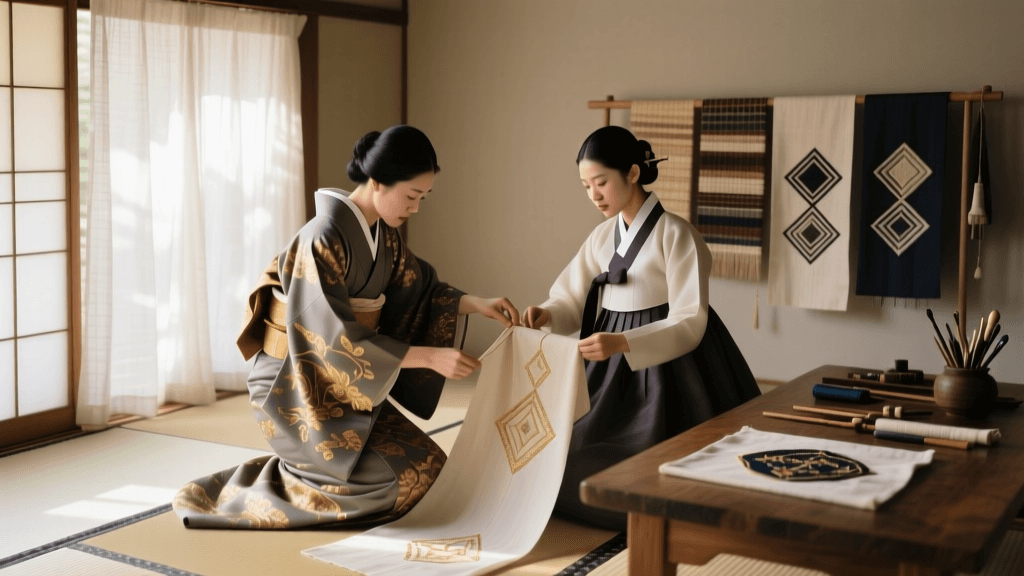
The global slow fashion movement has catalyzed a massive resurgence in traditional garment making, and as we navigate through 2026, the demand for immersive, hands-on workshops in Asian textile heritage has never been higher. For textile artists, fashion historians, and dedicated hobbyists, learning the meticulous construction of the Japanese kimono and the Korean hanbok is no longer restricted to decades-long apprenticeships. Today, specialized masterclasses and intensive seminars offer structured, accessible pathways into these ancient crafts. According to the Victoria and Albert Museum's textile conservation department, the preservation of intangible cultural heritage through active, modern education is critical to keeping these garment traditions alive in the contemporary era.
Whether you are looking to master the linear, zero-waste geometry of the kimono or the volumetric, fluid draping of the hanbok, 2026 offers an unprecedented array of both in-person and hybrid learning opportunities. This guide breaks down the most prestigious tailoring seminars available this year, comparing their curriculums, costs, and the specific artisanal skills you will acquire.
Kyoto’s Nishijin-ori and Kimono Construction Immersions
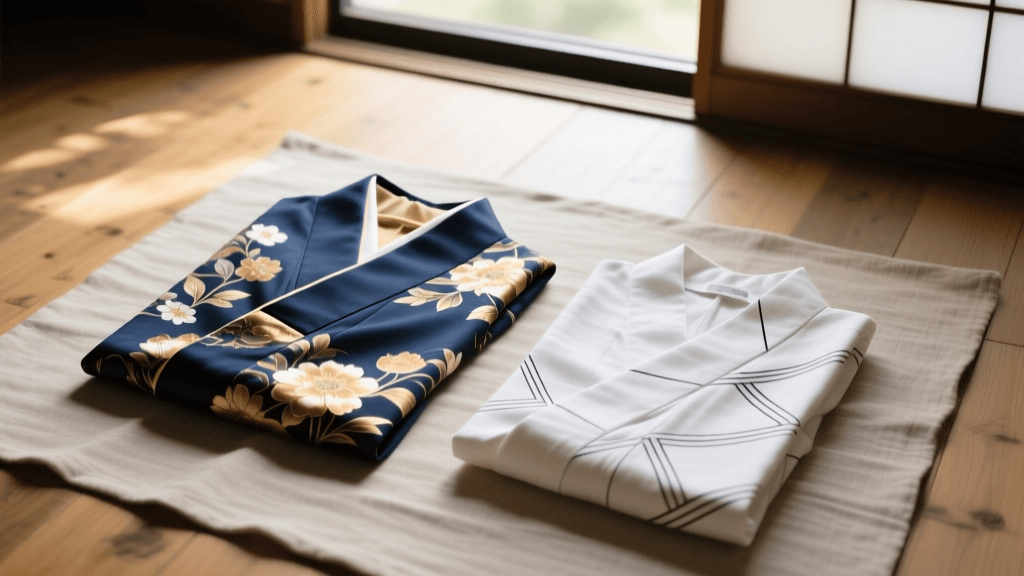
The kimono is a masterclass in geometric precision, straight-line cutting, and zero-waste pattern making. In 2026, the most sought-after workshops are located in Kyoto’s Kamigyo ward, the historic heart of the Nishijin weaving district. The premier 10-day 'Kimono Architecture' immersion focuses not just on sewing, but on the philosophy of Ma (negative space) and how the garment interacts with the human form in motion.
Unlike Western tailoring, which relies on darts and curved seams to contour the body, kimono construction utilizes rectangular panels (tanmono) that are folded and wrapped. The 2026 curriculum at the Kyoto Heritage Textile Institute has been updated to include modern ergonomic adaptations while strictly maintaining traditional wasai (Japanese sewing) techniques. Students learn the kuke-toji (blind stitching) method, ensuring that no threads are visible on the exterior of the silk garment. Furthermore, participants are trained in using the traditional kote (a specialized charcoal-heated iron, now modernized with precise digital temperature controls for fragile vintage silks) and the hera (a bamboo spatula used for creasing silk without damaging the fibers).
For those interested in the textile creation itself, supplementary seminars on Japanese traditional crafts and Nishijin-ori weaving allow students to operate a takadai loom to braid their own obijime (decorative cords). The 2026 pricing for the comprehensive 10-day sewing and draping immersion is approximately ¥380,000 (around $2,550 USD), which includes all raw silk materials, specialized tools, and studio access.
Seoul’s Hanbok Draping and Hidden Stitching Seminars
While the kimono celebrates linear geometry, the Korean hanbok is renowned for its sweeping curves, voluminous silhouettes, and vibrant color theory (Obangsaek). In 2026, Seoul’s premier hanbok seminars, often hosted in collaboration with the Korean Cultural Heritage Administration, focus heavily on the structural engineering of the chima (skirt) and the jeogori (jacket).
The most critical skill taught in these Seoul masterclasses is Anbaengjil, the traditional hidden stitching technique. This method ensures that seams are completely invisible from the outside, giving the hanbok its signature seamless, flowing appearance. The 2026 intensive seminars also incorporate modern 3D body-scanning technology during the fitting process. This allows students to understand how traditional 2D flat patterns translate into 3D volumetric shapes, bridging the gap between ancient wisdom and contemporary digital fashion design.
Students spend the first three days mastering the goreum (the long, flowing ribbon ties of the jeogori), learning the precise tension and folding techniques required to make them drape perfectly. The final days are dedicated to the chima, where students learn to pleat and gather yards of silk organza and ramie to create the iconic bell shape. A standard 7-day Seoul Hanbok Construction Seminar costs roughly ₩2,500,000 (approximately $1,850 USD), making it a highly competitive option for international students.
2026 Workshop Comparison Matrix
To help you decide which tradition aligns with your textile goals, we have compiled a comparison of the top-tier 2026 masterclasses.
| Feature | Kyoto Kimono Immersion | Seoul Hanbok Intensive |
|---|---|---|
| Primary Focus | Zero-waste geometry, linear cutting, blind hemming | Volumetric draping, hidden seams, ribbon engineering |
| Duration | 10 Days (80 Hours) | 7 Days (56 Hours) |
| 2026 Cost (USD) | ~$2,550 | ~$1,850 |
| Key Tools Used | Hera (bamboo spatula), Kote (specialized iron) | Anbaeng needles, traditional wooden pressing blocks |
| Final Project | Full Hitoe (unlined summer kimono) | Complete Myeongju (silk) Jeogori and Chima set |
Preparing for Your Masterclass: 2026 Toolkits
While most high-end seminars provide the heavy machinery and looms, serious students are expected to bring their own personal hand tools. If you are enrolling in a 2026 cohort, ensure you acquire the following specialized items before your departure:
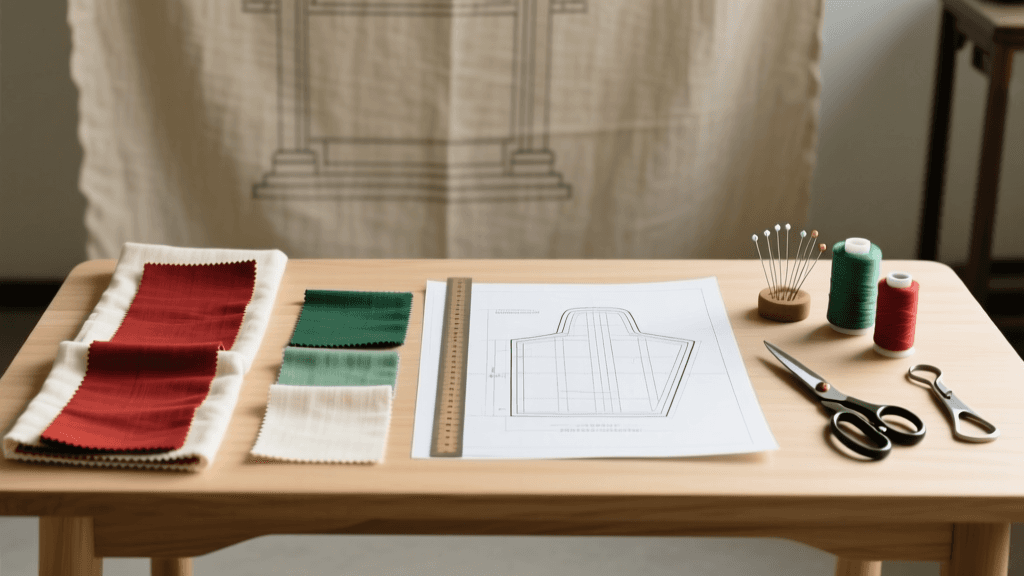
- For Kimono Sewing: Invest in a set of Shaku (traditional Japanese measuring sticks). While metric rulers are common, understanding the shaku system is vital for reading vintage pattern drafts. Additionally, purchase a high-carbon steel Hasami (fabric shears) specifically calibrated for cutting slippery silk habotai and chirimen (crepe).
- For Hanbok Construction: You will need specialized Anbaeng needles, which are exceptionally fine and short to facilitate invisible stitching in tight seams. A traditional Darumi (wooden ironing block) is also highly recommended for pressing the curved seams of the jeogori collar without flattening the fabric's natural volume.
- Digital Integration: Many 2026 hybrid seminars require students to have a tablet loaded with specific CAD software to map out traditional patterns before cutting expensive heritage silks. Ensure your device is updated and compatible with the seminar's proprietary pattern-drafting apps.
Post-Seminar: Sourcing Authentic Materials
Completing a masterclass is only the beginning of your journey. The true test of a traditional garment maker is sourcing authentic, high-quality materials. In 2026, the supply chain for heritage textiles has become more transparent but remains highly exclusive.
For kimono makers, securing authentic Tango Chirimen (silk crepe from the Kyoto region) requires building relationships with local wholesalers in the Nishijin district. Many 2026 workshops now include a 'sourcing day' where masters introduce students to multi-generational silk merchants. For hanbok makers, sourcing Myeongju (traditional Korean silk) and Mosi (fine ramie) is best done through certified heritage cooperatives in the Hansan region. The Korean government has recently implemented a blockchain-based certification system for heritage textiles, allowing 2026 buyers to verify the exact origin, weaver, and natural dye sources of their fabric via a simple QR code scan.
Preserving the Future of Asian Garment Making
The workshops and seminars of 2026 represent a critical bridge between the ancestral past and the sustainable future of fashion. By choosing to invest your time and resources into learning the meticulous, slow-craft techniques of kimono and hanbok construction, you are participating in a vital act of cultural preservation. Whether you are drawn to the mathematical poetry of Japanese straight-line cutting or the sculptural elegance of Korean hidden stitching, these masterclasses offer profound insights into the artistry of Asian traditions. As the global fashion industry continues to grapple with issues of waste and mass production, the timeless, zero-waste, and deeply intentional methodologies taught in these 2026 seminars provide not just historical education, but a blueprint for the future of ethical garment creation.