Nishijin-Ori vs Gongdan: 2026 Ceremonial Silk Guide
The Renaissance of Bespoke Ceremonial Silks in 2026
The landscape of Asian traditional garments has experienced a profound renaissance as we move through 2026. Driven by a global resurgence in heritage craftsmanship and a desire for sustainable, heirloom-quality fashion, modern brides, grooms, and cultural practitioners are increasingly commissioning bespoke ceremonial wear. At the heart of this movement are two of Asia's most prestigious textile traditions: Japan's Nishijin-ori brocade and Korea's Gongdan patterned silk. While both fabrics are steeped in centuries of royal and aristocratic history, their structural properties, drape, and ideal applications differ significantly. For collectors, designers, and enthusiasts navigating the 2026 market, understanding the nuances between these two luxurious textiles is essential for making informed sourcing and preservation decisions.
Nishijin-Ori: The Structural Marvel of Japanese Brocade
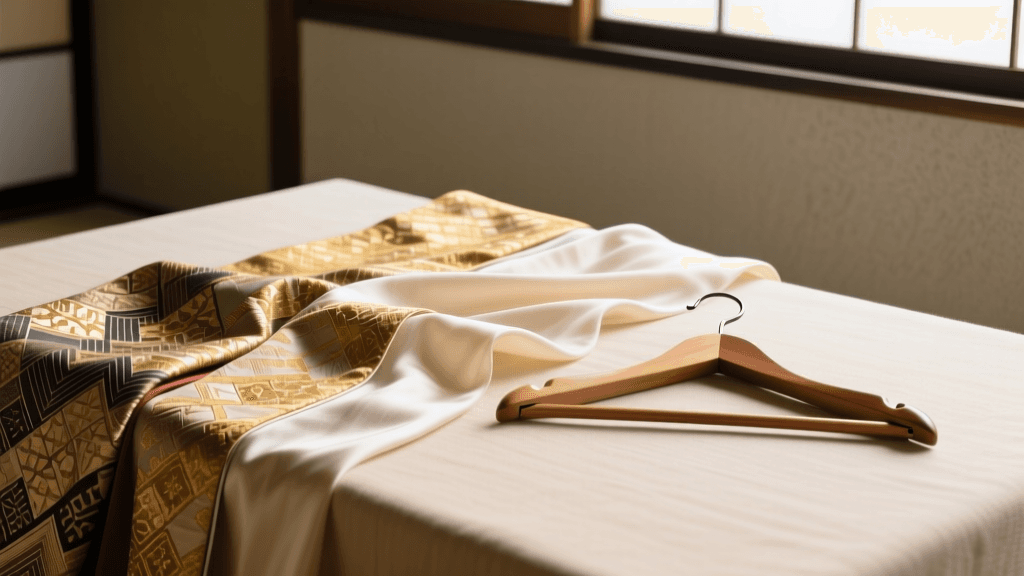
Originating in the Kamigyo ward of Kyoto, Nishijin-ori is not a single fabric but a collective term for a variety of advanced weaving techniques, including tsuzure-ori (tapestry weave) and intricate Jacquard brocades. The name translates to 'western camp,' a nod to the Onin War of the 15th century when weavers fled to the western side of Kyoto and later returned to establish the Nishijin textile district. According to the Kyoto Nishijin Textile Industry Association, the modern 2026 iteration of Nishijin-ori beautifully balances centuries-old hand-loom techniques with AI-assisted digital Jacquard looms, allowing for unprecedented complexity in metallic thread integration without sacrificing the fabric's structural integrity.
Nishijin-ori is characterized by its dense, heavy weight and stiff drape. It is designed to hold shape, making it the undisputed premier choice for the Japanese obi (the wide sash worn with kimono). A standard fukuro obi requires approximately 4.5 meters of 33cm wide fabric. In 2026, authentic, hand-finished Nishijin-ori obi fabrics command premium prices, typically ranging from $1,200 to $4,500 USD, depending on the inclusion of precious metals like pure gold leaf (kinran) and silver threads (ginran). Beyond obi, Nishijin-ori is heavily utilized in uchikake (wedding overcoats) and furi-sode collars, where the fabric's rigidity provides a striking, architectural silhouette.
Gongdan: The Lustrous Elegance of Korean Damask
In stark contrast to the stiff architectural nature of Japanese brocade, Korea's Gongdan offers a fluid, luminous elegance. The term 'Gongdan' translates to 'palace satin' or 'tribute damask,' reflecting its historical exclusivity to the Joseon royal court. Woven using a complex satin-weave structure that creates a glossy, light-reflecting surface with subtle, tone-on-tone patterns, Gongdan is a masterpiece of understated luxury. The Cultural Heritage Administration of Korea has heavily supported the revival of traditional Gongdan weaving techniques in recent years, leading to a thriving community of master artisans in Jinju and Seoul who are producing museum-quality textiles for contemporary ceremonial wear.
Gongdan is prized for its medium-heavy weight and exceptional drape. Unlike Nishijin-ori, which stands away from the body, Gongdan cascades beautifully, making it the ideal textile for the sweeping, voluminous lines of Korean royal and bridal garments such as the Hwalot (princess's wedding robe) and the Wonsam (ceremonial court dress). Constructing a traditional Hwalot requires between 7 to 9 yards of 60cm wide fabric. As of 2026, master-woven Gongdan retails between $350 and $800 USD per yard. The fabric's subtle sheen catches the light dynamically, allowing the vibrant primary colors of Korean royal aesthetics—such as deep crimson, indigo, and saffron yellow—to resonate with profound depth.
Comparative Analysis: Nishijin-Ori vs. Gongdan
To assist designers and buyers in selecting the appropriate textile for their 2026 bespoke projects, the following table outlines the core technical and commercial differences between Nishijin-ori and Gongdan.
| Feature | Nishijin-Ori (Japan) | Gongdan (Korea) |
|---|---|---|
| Weave Structure | Brocade / Jacquard Tapestry | Satin Damask / Patterned Satin |
| Weight & Drape | Heavy (140-200 g/m²); Stiff, structural | Medium-Heavy (90-130 g/m²); Fluid, lustrous |
| Surface Texture | Highly textured, raised metallic motifs | Smooth, glossy, tone-on-tone subtle patterns |
| 2026 Avg. Market Price | $1,200 - $4,500 USD (per obi length) | $350 - $800 USD (per linear yard) |
| Primary Garment Use | Obi, Uchikake, Furisode collars | Hwalot, Wonsam, Dangui, Skirts (Chima) |
| Tailoring Consideration | Requires heavy-duty needles; frays easily | Requires fine needles; prone to snagging |
2026 Sourcing Strategies for International Collectors
Sourcing authentic ceremonial silks requires navigating a market saturated with synthetic imitations and machine-printed alternatives. For buyers outside of East Asia, establishing direct relationships with authorized heritage workshops is the most reliable strategy in 2026.
- Sourcing Nishijin-ori: While the Nishijin Textile Center in Kyoto offers retail options, serious collectors should seek out multi-generational weaving houses (orimoto) in the Kamigyo district. Many of these houses now offer virtual consultations and international shipping via climate-controlled logistics partners. When purchasing, request the Nishijin-ori Certificate of Authenticity, which includes the specific loom number and the master weaver's seal.
- Sourcing Gongdan: Avoid generic fabric markets in Seoul if you seek true royal-grade Gongdan. Instead, commission directly through certified heritage studios recognized by the Korean government's Intangible Cultural Heritage program. These studios often require a lead time of 3 to 6 months, as the silk threads must be naturally dyed and the looms specially warped for custom colorways.
Authenticity Verification and Quality Control
When your textiles arrive, verifying their authenticity is paramount. While the traditional 'burn test' (where pure silk smells like burning hair and turns to brittle ash) is well-known, it is highly discouraged for expensive 2026 heritage textiles. Instead, utilize the following non-destructive methods:
- UV Fluorescence: Under a standard ultraviolet light, pure, unadulterated silk will exhibit a faint, natural blue-white fluorescence. Synthetic polyesters and rayons will glow brightly in stark white or purple.
- The Crush Test: Genuine high-grade Gongdan and Nishijin-ori will crease deeply when crushed in the fist but will release the wrinkles relatively quickly when hung in a steamy environment. Synthetic blends tend to hold sharp, permanent creases or bounce back unnaturally fast due to chemical memory treatments.
- Microscopic Inspection: Using a 60x jeweler's loupe, examine the warp and weft. Pure silk filaments will show slight, natural irregularities in thickness, whereas machine-spun synthetics will appear perfectly uniform and glassy.
Advanced Preservation and Care Protocols
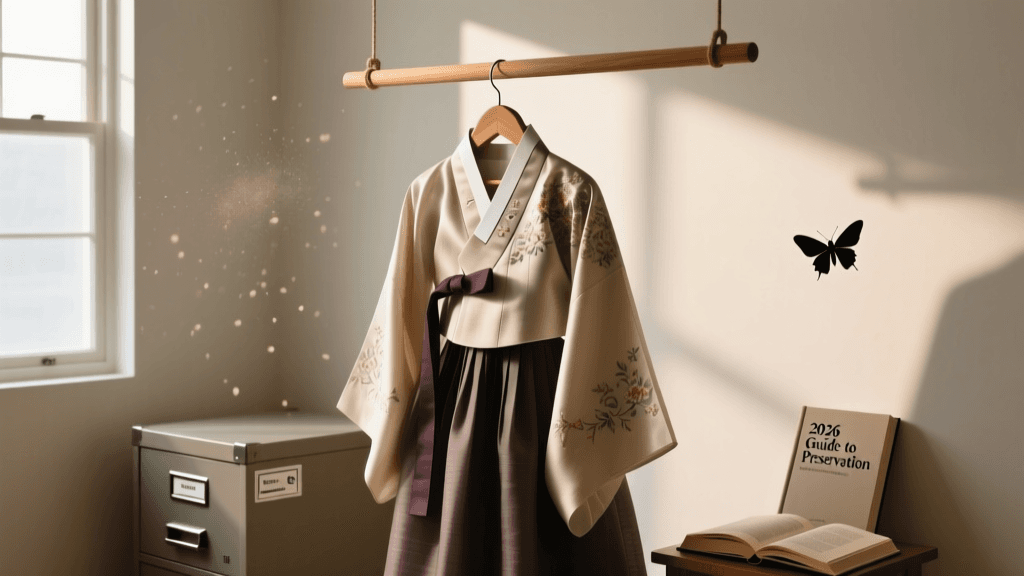
Investing in ceremonial silks is an investment in generational heirlooms. Proper storage and maintenance are critical to preventing the degradation of the protein fibers. The Victoria and Albert Museum's textile conservation guidelines emphasize that environmental control is the single most important factor in silk preservation.
Climate and Storage Parameters
Silk is highly susceptible to fluctuations in humidity. In 2026, collectors are advised to store their garments in rooms equipped with smart hygrometers, maintaining a strict Relative Humidity (RH) between 50% and 55%, and a stable temperature of 18°C to 20°C (64°F - 68°F). High humidity promotes mold and metallic thread tarnishing, while low humidity causes the silk fibers to become brittle and shatter along fold lines.
The Role of Paulownia Wood
Never store Nishijin-ori or Gongdan in plastic bins or cedar chests. Plastic traps moisture and off-gasses chemicals that yellow silk, while the natural oils in cedar can stain the fabric. The gold standard for Asian textile storage remains the traditional Japanese tansu or Korean nong crafted from Paulownia wood (Kiri). Paulownia is naturally fire-resistant, repels insects, and acts as a breathable desiccant, expanding in high humidity to seal the drawers and contracting in low humidity to allow air circulation.
Folding and Pest Management
To prevent permanent fiber breakage, garments must be refolded along different lines every six months. Interleave the folds with acid-free, unbuffered tissue paper to prevent the metallic threads of Nishijin-ori from imprinting onto the silk face. For pest management, avoid direct contact with mothballs or chemical pesticides. Instead, utilize natural alternatives like dried neem leaves or modern pheromone traps placed in the corners of the storage room, ensuring the textiles remain untouched by chemical residues.
Conclusion
As we navigate the rich landscape of 2026 traditional fashion, the choice between Nishijin-ori and Gongdan is not merely a matter of aesthetics, but a profound engagement with the structural and cultural philosophies of Japan and Korea. Nishijin-ori offers the bold, sculptural brilliance required for Japanese ceremonial silhouettes, while Gongdan provides the fluid, luminous grace essential to Korean royal garments. By understanding their unique weaving techniques, employing rigorous sourcing strategies, and adhering to museum-grade preservation protocols, collectors and wearers can ensure these magnificent textiles continue to tell their stories for generations to come.