Preserving Vintage Silk Kimonos & Hanboks: 2026 Archival Care Guide
The Unique Vulnerability of Asian Silk Garments
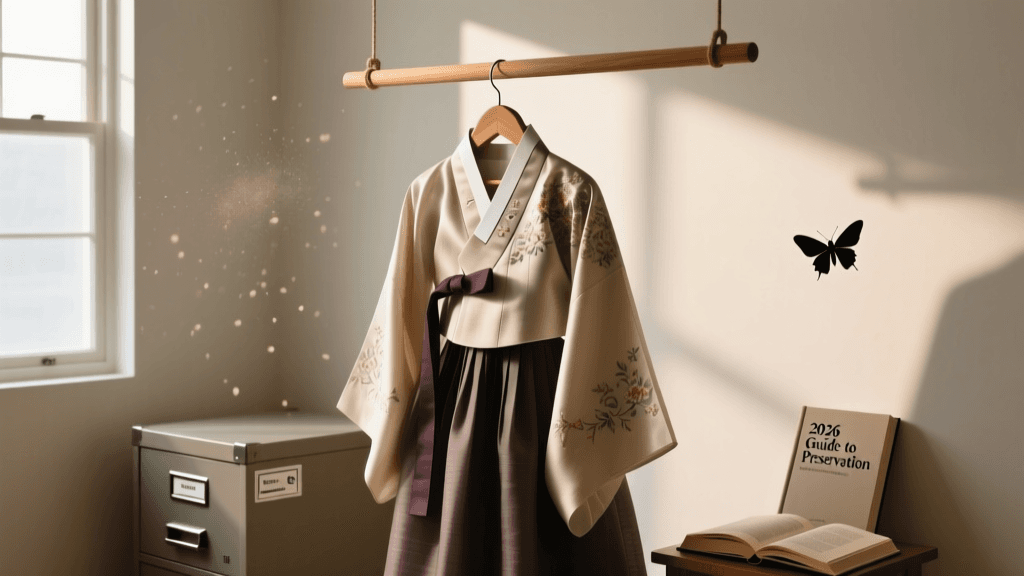
Traditional Asian garments, particularly the Japanese kimono and the Korean hanbok, are masterpieces of textile engineering and cultural heritage. However, the very materials that give these garments their luxurious drape and vibrant sheen also make them highly susceptible to environmental degradation. Silk is a natural protein fiber composed of fibroin, which is inherently sensitive to alkaline substances, prolonged ultraviolet (UV) exposure, and fluctuating humidity. In 2026, as extreme weather patterns cause more volatile indoor humidity levels, preserving these delicate protein fibers requires a proactive, science-backed approach to archival care.
Unlike cotton or linen, which are cellulose-based and can tolerate slightly alkaline environments, silk protein chains break down rapidly when exposed to high pH levels. Furthermore, vintage kimonos often feature intricate metallic threads (surihaku) and hand-painted yuzen dyes, while traditional hanboks may utilize delicate ramie blends and natural indigo or madder root dyes. These organic colorants are notoriously fugitive, meaning they can fade or bleed if exposed to improper cleaning agents or excessive light. Understanding the biochemical nature of these garments is the first step in implementing a successful preservation strategy.
2026 Archival Storage Standards for Protein Fibers
Proper storage is the cornerstone of garment preservation. The days of folding a vintage silk kimono and placing it in a standard cedar chest are long gone. Cedar wood naturally emits acidic vapors and volatile organic compounds (VOCs) that can cause yellowing and structural weakening of silk over time. As of 2026, museum-grade archival storage relies on chemically inert, pH-neutral materials that allow the textile to breathe while protecting it from dust, light, and physical stress.
When preparing a silk kimono or hanbok for long-term storage, the garment must be padded to prevent hard creases. Hard creases can lead to 'shattered silk,' a condition where the fibers fracture along the fold lines due to mechanical stress. Use unbuffered, acid-free tissue paper to stuff the sleeves, bodice, and folds. Unbuffered tissue has a neutral pH of 7.0, making it safe for protein fibers. Buffered tissue, which contains an alkaline reserve (usually calcium carbonate) to neutralize acids, should be strictly avoided for silk, as the alkalinity will degrade the protein.
| Storage Material | pH Level | Breathability | Best Use Case |
|---|---|---|---|
| Unbuffered Acid-Free Tissue | 7.0 (Neutral) | High | Padding folds and wrapping silk kimonos/hanboks |
| Buffered Acid-Free Tissue | 8.5 (Alkaline) | High | Cotton, linen, and cellulose textiles only |
| Unbleached Cotton Muslin | Neutral | Very High | Outer dust covers and breathable garment bags |
| Archival Coroplast Boxes | Neutral | Low | Long-term rigid storage and stacking |
| Polyethylene Plastic Bags | N/A | None | Emergency water protection only (traps moisture) |
For rigid storage, archival-grade Coroplast (corrugated plastic) boxes are the 2026 industry standard. These boxes are chemically stable, water-resistant, and provide a rigid shell that prevents crushing. Line the bottom of the box with unbleached, washed cotton muslin, lay the tissue-padded garment inside, and cover it with another layer of muslin before sealing the lid. Never use standard plastic dry-cleaning bags or vinyl garment covers, as these materials off-gas plasticizers that will permanently fuse to and destroy silk fibers.
Eradicating Pests Without Damaging Delicate Dyes
Textile pests, specifically the webbing clothes moth (Tineola bisselliella) and the black carpet beetle (Attagenus unicolor), are the natural enemies of protein fibers. The larvae of these insects feed on the keratin and fibroin found in silk and wool. According to entomological guidelines from Penn State Extension, managing these pests requires an integrated pest management (IPM) approach that avoids harsh chemicals.
Historically, naphthalene and paradichlorobenzene (traditional mothballs) were used to deter pests. In 2026, these chemicals are strictly prohibited in professional conservation due to their toxicity to humans and their tendency to react with metallic threads and natural dyes, causing irreversible tarnishing and discoloration. Instead, modern preservation relies on passive monitoring and targeted eradication.
- Pheromone Traps: Deploy species-specific pheromone traps in your storage area to monitor and disrupt the mating cycles of male clothes moths. These traps use synthetic female pheromones to lure males, effectively reducing the breeding population without introducing chemicals to the textiles.
- Controlled Freezing: If you suspect an active infestation, isolate the garment immediately. Place the silk kimono or hanbok in a sealed polyethylene bag to protect it from condensation, and place it in a deep freezer set to at least -20°C (-4°F) for 72 hours. This rapid temperature drop will kill all life stages of the pest, from eggs to adults. After freezing, allow the garment to thaw slowly at room temperature while still sealed to prevent moisture damage.
- Essential Oil Deterrents: While not a substitute for freezing active infestations, sachets of dried lavender or cedar blocks can be placed in the *room* (never directly touching the garment) to provide a mild, natural deterrent. Ensure the sachets are replaced every six months as their volatile oils dissipate.
Climate Control: Managing Humidity and Light in 2026
The physical environment where your garments are stored dictates their lifespan. Silk is highly hygroscopic, meaning it readily absorbs and releases moisture from the air. If the relative humidity (RH) drops below 40%, the silk fibers become brittle and prone to snapping. If the RH exceeds 60%, the environment becomes conducive to mold growth and accelerates the corrosion of metallic threads.
In 2026, smart home integration has made micro-climate management highly accessible. Utilizing advanced wireless hygrometers, such as the latest SwitchBot or Govee sensor hubs, allows collectors to monitor temperature and humidity fluctuations in real-time via smartphone applications. The ideal storage environment for Asian silk garments is a stable 50% RH (with a permissible fluctuation of ±5%) and a temperature of 65°F to 68°F (18°C to 20°C). Avoid storing archival boxes in attics, basements, or against exterior walls, as these areas are prone to thermal bridging and dampness.
Light damage is cumulative and irreversible. Ultraviolet (UV) radiation breaks down the molecular bonds in silk and fades organic dyes. Garments should always be stored in the dark. If you choose to display a vintage hanbok or kimono, it must be mounted on a custom-fitted, padded mannequin to support the weight of the fabric without stressing the shoulders. Display cases should be fitted with UV-filtering acrylic glazing, and ambient lighting should be restricted to LED sources emitting zero UV radiation, with lux levels kept below 50 lux to minimize photochemical degradation. The Victoria and Albert Museum provides extensive guidelines on light exposure limits for historic textiles, emphasizing that even low-level ambient light will cause fading over decades.
Handling, Display, and Professional Restoration
How you handle your garments is just as critical as how you store them. Human skin naturally secretes sebum, sweat, and salts, which are highly acidic and will leave permanent, oxidized stains on silk. When handling a vintage kimono or hanbok, always ensure your hands are freshly washed and thoroughly dried. While cotton gloves are often recommended for handling antiques, they can easily snag on the delicate metallic embroidery or loose threads of a hanbok. In modern conservation practice, clean, dry, bare hands or powder-free nitrile gloves are preferred for handling fragile textiles to maintain tactile sensitivity and prevent accidental tearing.
When it comes to cleaning, never attempt to wash a vintage silk garment at home. Water can cause natural dyes to bleed and can lead to severe shrinkage or distortion of the silk weave. Dry cleaning is also highly risky, as the harsh solvents used in commercial dry cleaning can strip the natural sericin from the silk, leaving it dull and brittle. If a garment requires cleaning, it must be evaluated by a professional textile conservator.
Restoration of shattered silk or torn linings requires specialized intervention. Conservators use techniques such as laid-couching, where a dyed, sheer silk crepeline is placed behind the damaged area and stitched using microscopic polyester threads to stabilize the tear without adding tension to the original fibers. If you possess a garment of significant historical or monetary value that requires stabilization, you should seek out a certified professional. The American Institute for Conservation maintains a comprehensive directory of credentialed textile conservators who adhere to strict ethical guidelines, ensuring that any restoration work is reversible and historically accurate.
Preserving Asian traditional garments in 2026 is a marriage of respecting ancient craftsmanship and utilizing modern material science. By implementing rigorous archival storage protocols, adopting non-toxic pest management strategies, and maintaining strict climate control, collectors and historians can ensure that the vibrant silks of kimonos and hanboks survive for future generations to study and admire.