Neo-Qipao Streetwear: The Modern Cheongsam Fusion Guide
The Evolution of the Qipao into Neo-Qipao Streetwear
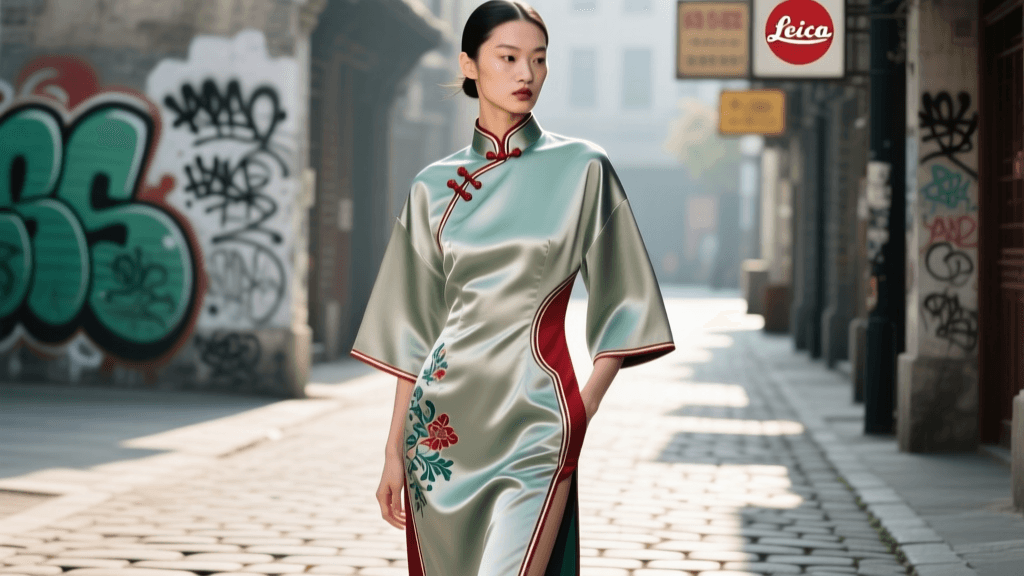
The qipao, historically known in the West as the cheongsam, is arguably the most recognizable silhouette in Chinese fashion history. Originating in the 1920s as a symbol of modern femininity and liberation in Shanghai, the garment has undergone countless iterations over the past century. Today, we are witnessing the explosive rise of the Neo-Qipao—a radical fusion of traditional tailoring with contemporary streetwear, techwear, and cyberpunk aesthetics. This modern adaptation strips away the rigid formality of the mid-century cheongsam, replacing it with utilitarian fabrics, oversized silhouettes, and subversive hardware. For fashion enthusiasts and cultural archivists alike, the Neo-Qipao represents a living, breathing evolution of Asian traditions, proving that heritage garments can thrive in the urban concrete jungle.
Deconstructing the Anatomy of Fusion Fashion
To truly understand the Neo-Qipao, one must first deconstruct its traditional elements and observe how modern designers are subverting them for the streets.
The Collar and Fasteners
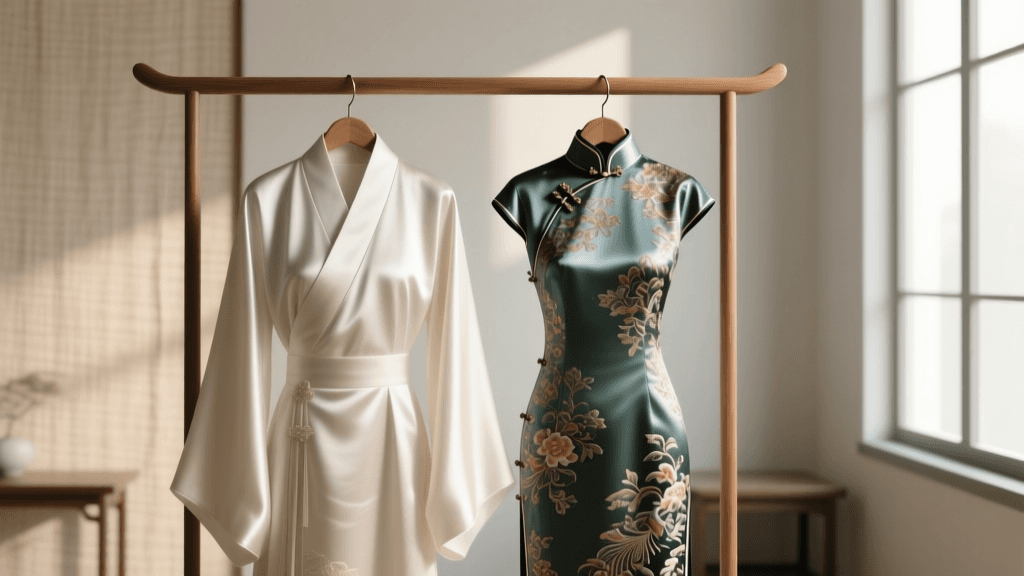
The traditional qipao relies on a precise, body-hugging fit, a high mandarin collar (standing collar), and intricate pankou (knotted frog fasteners). In the realm of fusion fashion, these elements are dramatically reimagined. The restrictive high collar is often lowered, cropped, or replaced with a snap-button band collar, allowing for greater mobility and a more relaxed, streetwear-friendly vibe. While some designers retain the pankou as a nod to heritage, many substitute them with industrial hardware. Heavy-duty metal zippers, carabiner clips, O-rings, and D-rings are now commonplace, bridging the gap between Qing dynasty aesthetics and modern techwear functionality.
Silhouette and Hemline Modifications
The traditional thigh-high slit, originally designed for ease of movement and to reveal trousers underneath, is exaggerated or modified with asymmetric hemlines, layered mesh, or adjustable bungee drawcords. This echoes the utilitarian ethos of contemporary techwear brands, transforming the elegant dress into a dynamic piece of urban armor.
Traditional Qipao vs. Neo-Qipao Streetwear
Understanding the core differences between the heritage garment and its modern streetwear counterpart is essential for collectors and stylists. Below is a comparative breakdown of their defining characteristics.
| Feature | Traditional Qipao (Heritage) | Neo-Qipao (Streetwear Fusion) |
|---|---|---|
| Fit & Silhouette | Form-fitting, tailored, midi/maxi length | Relaxed, drop-shoulder, asymmetrical, cropped |
| Primary Fabrics | Silk brocade, velvet, linen, satin | Ripstop nylon, neoprene, denim, 3M reflective |
| Fasteners | Hand-knotted silk pankou (frog buttons) | Industrial zippers, snap buttons, carabiners |
| Styling Context | Formal events, weddings, cultural festivals | Daily streetwear, music festivals, clubbing |
| Footwear Pairing | Stilettos, traditional embroidered flats | Chunky sneakers, combat boots, tabi shoes |
Practical Buyer’s Guide: Sizing, Costs, and Timelines
When investing in a Neo-Qipao, whether off-the-rack or bespoke, understanding the metrics of fit and market pricing is crucial to making an informed purchase.
Crucial Measurements for Fusion Fits
Unlike traditional qipaos that require exact bust, waist, and hip measurements to achieve a skin-tight fit, Neo-Qipao streetwear often employs drop-shoulders and relaxed waistlines. However, you must still provide specific metrics to ensure the garment drapes correctly over streetwear layers:
- Hollow-to-Hem: Crucial for midi and maxi lengths to ensure the slit hits at the correct point on the thigh or knee.
- Shoulder Width: Essential for structured outerwear hybrids and cropped bomber-qipao jackets.
- Sleeve Circumference: Must be measured to accommodate layering over hoodies or mesh long-sleeves.
Market Pricing and Commission Timelines
- Fast Fashion / Mass Market ($30 - $80): Timeline: 1-2 weeks shipping. Often uses polyester blends with printed brocade patterns. Good for casual experimentation, but lacks structural integrity and breathability.
- Indie Fusion Brands ($350 - $900): Timeline: 2-4 weeks. Brands leading this space offer authentic fusion, utilizing custom-milled technical fabrics, innovative tailoring, and high-quality metal hardware.
- Bespoke / Made-to-Measure ($1,200 - $3,000+): Timeline: 6-10 weeks. Commissioning a tailor in Shanghai or Hong Kong who specializes in modern adaptations allows you to select imported techwear fabrics, customize modular pockets, and engrave personal motifs onto the metal clasps.
Actionable Styling Advice for Daily Wear
Integrating a Neo-Qipao into a modern wardrobe requires a deliberate approach to proportions and textures. Here is how to style these fusion pieces for maximum impact.
Footwear and Grounding the Silhouette
Ditch the traditional stilettos. To achieve the true streetwear fusion look, pair a midi-length, nylon Neo-Qipao with chunky sneakers like the Balenciaga Track or the Nike Air Max 97. The heavy, aggressive sole of the sneaker grounds the elegant, flowing silhouette of the cheongsam, creating a striking visual contrast. For a darker, cyberpunk aesthetic, heavy combat boots or split-toe Tabi shoes are the definitive choice.
Layering Techniques
The Neo-Qipao shines as a versatile layering piece. Wear a cropped, sleeveless qipao over a fitted turtleneck or a sheer mesh long-sleeve top for transitional autumn weather. Alternatively, layer an oversized, distressed leather jacket or a cropped MA-1 bomber over a full-length qipao to play with proportions and obscure the traditional waistline, leaning heavily into androgynous streetwear aesthetics.
Hardware and Accessories
Swap delicate jade pendants and silk fans for utilitarian accessories. Chest rigs, cross-body nylon bags, metallic chain belts, and fingerless tactical gloves complement the industrial hardware found on modern Neo-Qipao designs.
'The Neo-Qipao is not a costume; it is armor for the modern urbanite. It takes the elegance of our ancestors and equips it for the concrete jungle, allowing the wearer to carry their heritage into the future.'
— Contemporary Fusion Fashion Archivist
Care and Maintenance for Technical Fabrics
Because Neo-Qipao garments often blend traditional tailoring with modern synthetic fabrics, their care requirements differ vastly from heritage silks. Ripstop nylon and neoprene should be hand-washed in cold water with a mild, non-bleach detergent. Avoid wringing the fabric, as this can warp the structural wiring often hidden inside the modern mandarin collars. Air dry away from direct sunlight to prevent the fading of dark, utilitarian dyes. If your garment features metal hardware like D-rings or heavy zippers, ensure they are completely dried to prevent rust or tarnishing, which can stain technical fabrics permanently.
Cultural Context and the Future of Fusion
The fusion of Eastern heritage and Western streetwear is not merely a fleeting trend; it is a profound cultural dialogue. As noted by the Metropolitan Museum of Art in their seminal exhibition exploring Chinese aesthetics in global fashion, the qipao has long served as a canvas for cross-cultural exchange and modernization. Today's youth are actively reclaiming and rewriting this narrative.
According to cultural reports from Sixth Tone, the resurgence of traditional garments among Gen Z is driven by a desire to integrate national identity into daily, modern life rather than reserving it strictly for holidays or stage performances. Furthermore, as highlighted by Vogue in their coverage of designers like Samuel Guì Yang, the modern cheongsam is being deconstructed to challenge conventional ideas of femininity. By introducing streetwear elements, designers are offering a more androgynous, powerful silhouette suited for the contemporary urban landscape, ensuring that the legacy of the qipao continues to evolve for generations to come.