Neo-Qipao: Styling the Modern Cheongsam for Everyday Streetwear
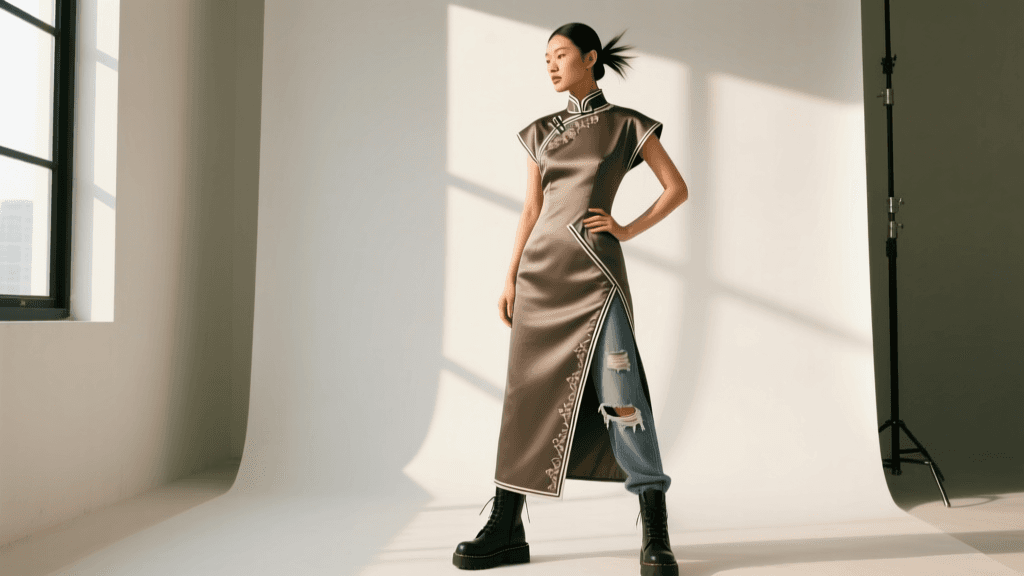
The Evolution of the Qipao: From 1920s Glamour to Neo-Qipao Streetwear
The traditional Chinese qipao, also widely known as the cheongsam, has long been synonymous with 1930s Shanghai glamour, form-fitting silk, and elegant restraint. Historically, it was a garment that demanded a certain posture and grace, often reserved for weddings, formal banquets, or Lunar New Year celebrations. However, a new wave of fashion is actively rewriting the rules of this iconic silhouette. Enter the Neo-Qipao: a bold, streetwear-ready fusion that blends traditional Chinese tailoring with contemporary urban aesthetics.
According to The Metropolitan Museum of Art, the cheongsam evolved from the loose-fitting banner robes of the Manchu people into the figure-hugging, modernist garment of the 1920s and 30s. Today, the Neo-Qipao represents the next major evolutionary leap, driven by the 'Guochao' (China Chic) movement. Young designers and consumers are reclaiming their sartorial heritage, stripping away the restrictive elements of the mid-century cheongsam, and injecting it with the rebellious, comfortable, and expressive energy of global streetwear. As documented in historical archives on the Cheongsam, the garment has always been a reflection of modernity and women's liberation; the Neo-Qipao continues this legacy by prioritizing mobility, gender-fluid styling, and everyday wearability.
Key Elements of Neo-Qipao Fusion Fashion
Silhouette and Cut
While the traditional qipao relies on darts and a narrow cut to hug the body, the Neo-Qipao embraces volume and asymmetry. Designers are experimenting with A-line cuts, drop-waists, and oversized, boxy fits that mimic the drape of a bomber jacket or a skater dress. High slits, once used to allow movement in a tight skirt, are now exaggerated or layered over wide-leg trousers and cargo pants, creating a dynamic, multi-dimensional look that is perfect for urban environments.
Fabric Innovations
Silk and brocade have been swapped for materials that can withstand the rigors of daily streetwear. Heavyweight washed denim, structured neoprene, vegan leather, and technical nylons are now the fabrics of choice. These materials not only provide a stark visual contrast to the delicate history of the garment but also offer durability, weather resistance, and ease of care. A neoprene qipao holds its architectural collar perfectly without the need for stiff, uncomfortable interlinings.
The Pankou Reimagined
The 'pankou' (traditional knotted frog buttons) are a hallmark of the cheongsam. In fusion fashion, these are either replaced entirely by heavy-duty industrial zippers and snap buttons, or they are exaggerated into massive, sculptural hardware pieces made of metal, acrylic, or thick leather cord. This transforms a delicate fastening into a bold, punk-inspired statement piece.
Practical Guide: Sourcing and Tailoring Your Neo-Qipao
Whether you are buying off-the-rack from indie designers on platforms like Taobao or commissioning a custom piece, understanding the market and the measurements is crucial for achieving the perfect fusion look.
Cost and Sourcing Breakdown
The Neo-Qipao market is highly accessible, ranging from fast-fashion interpretations to high-end bespoke tailoring. Here is what you can expect when sourcing your garment:
- Off-the-Rack Indie Brands (Online): $50 - $150. Platforms like Taobao and Xiaohongshu are home to hundreds of indie 'Guochao' brands (such as Dense Den or various cyberpunk-inspired storefronts) that produce ready-to-wear denim and cotton Neo-Qipao dresses.
- Custom Tailors (Shanghai/Hong Kong Fabric Markets): $150 - $350. Visiting hubs like the South Bund Soft Spinning Material Market in Shanghai allows you to select technical fabrics and have a fusion pattern drafted to your exact measurements.
- High-End Designer Fusion (Boutiques): $400 - $1,200+. Established contemporary Chinese designers offering runway-level construction, premium vegan leathers, and intricate, modern embroidery.
Crucial Measurements for a Fusion Fit
Traditional qipao tailoring requires precise measurements to ensure a skin-tight fit. However, for a Neo-Qipao meant for streetwear layering, you must adjust your approach:
- Bust & Waist: Add 2 to 4 inches of ease compared to your exact measurements. This allows for layering a turtleneck or graphic tee underneath.
- Upper Arm Circumference: This is the most critical measurement for modern adaptations. Traditional armholes are notoriously tight. Ensure your tailor adds at least 1.5 inches of ease here to allow for a full range of motion, especially if you plan to wear the garment with oversized outerwear.
- Hollow-to-Hem: If you plan to wear chunky sneakers or platform combat boots, measure your hollow-to-hem while wearing those specific shoes. A midi-length Neo-Qipao should hit mid-calf to avoid visually cutting the leg when paired with heavy footwear.
Traditional Silk Qipao vs. Neo-Qipao Streetwear
| Feature | Traditional Silk Qipao | Neo-Qipao Streetwear |
|---|---|---|
| Primary Fabric | Mulberry silk, brocade, velvet | Denim, neoprene, vegan leather, cotton twill |
| Silhouette | Form-fitting, high-slit, restrictive | A-line, drop-waist, oversized, layered |
| Fastenings | Hand-knotted silk pankou | Metal zippers, snap buttons, exaggerated pankou |
| Average Cost | $200 - $1,000+ (Custom) | $60 - $350 (Ready-to-wear & Indie) |
| Maintenance | Dry clean only, delicate storage | Machine washable (mostly), durable daily wear |
| Footwear Pairing | Heels, delicate flats | Chunky boots, retro sneakers, loafers |
How to Style the Neo-Qipao for Everyday Streetwear
Styling a Neo-Qipao is all about juxtaposition. The key is to balance the inherent elegance and historical weight of the cheongsam's collar and fastenings with the gritty, relaxed elements of modern streetwear. Here are three actionable styling formulas:
Look 1: The Cyberpunk Edge
Opt for a sleeveless, asymmetrical Neo-Qipao made of black vegan leather or neoprene. Layer it over a sheer, long-sleeve mesh top. Pair the dress with chunky platform combat boots (like Dr. Martens or Rick Owens) and an oversized, cropped bomber jacket. Accessorize with silver chain necklaces and tinted aviator sunglasses. This look is perfect for evening events, underground music venues, or bold editorial street style.
Look 2: Casual Denim Fusion
A heavyweight denim Neo-Qipao with a relaxed, shirt-dress silhouette is a staple for everyday wear. Leave the top two pankou unfastened to mimic a casual denim jacket. Wear it over a vintage, faded graphic band tee. Instead of heels, pair this with retro sneakers (such as Nike Air Force 1s or New Balance 550s) and white ribbed crew socks. Add a canvas crossbody bag and a baseball cap to firmly root the outfit in contemporary skate and street culture.
Look 3: Autumn Layering with Knitwear
For cooler weather, seek out a Neo-Qipao crafted from ribbed knit or heavy cotton twill in a midi length. Layer a fitted, contrasting turtleneck underneath. Instead of wearing the garment as a standalone dress, treat it as a long vest or tunic by pairing it with wide-leg cargo trousers or baggy denim. The high mandarin collar of the qipao will frame the turtleneck beautifully, creating a sophisticated, textured look suitable for creative workspaces or weekend gallery hopping.
Caring for Modern Fusion Garments
One of the greatest advantages of the Neo-Qipao is its low-maintenance nature compared to its silk predecessors. However, proper care will ensure the structural integrity of the garment, particularly the mandarin collar and the pankou fastenings.
- Denim and Cotton Twill: Wash inside out in cold water on a gentle cycle to preserve any dark dyes or embroidered motifs. Hang dry to prevent the shrinkage that can distort the precise fit of the shoulder seams.
- Neoprene and Technical Fabrics: Neoprene should generally be hand-washed or spot-cleaned. If machine washing is necessary, use a mesh laundry bag and a delicate cycle with cold water. Never put neoprene in the dryer, as high heat will melt the synthetic fibers and ruin the garment's architectural shape.
- Vegan Leather: Wipe down with a damp cloth and a mild soap solution. Condition the material every few months with a vegan leather conditioner to prevent cracking along the stress points, particularly around the armholes and the side slits.
Conclusion: A Living Tradition
The Neo-Qipao is not a rejection of history; it is a vibrant continuation of it. By adapting the cheongsam for the realities of modern, fast-paced, and expressive urban life, today's designers and wearers are ensuring that this iconic Asian garment remains a living, breathing part of global fashion. Whether you are commissioning a custom denim piece from a Shanghai tailor or layering an off-the-rack neoprene dress with your favorite vintage sneakers, the Neo-Qipao offers a powerful way to wear your heritage on your sleeve—literally and unapologetically.