Neo-Hanbok & Qipao Styling in 2026 Fashion Media
The 2026 Editorial Shift: From Costume to Couture
In 2026, the global fashion media landscape has undergone a definitive transformation regarding the representation of Asian traditional garments. Top-tier publications, from Vogue to Harper's Bazaar and independent avant-garde journals, have moved past the superficial appropriation and stereotypical 'costuming' that plagued earlier decades. Today, the integration of the Neo-Hanbok and the modern Qipao (Cheongsam) into high-fashion editorials is defined by rigorous cultural consultation, artisanal collaboration, and technical innovation. For fashion stylists, creative directors, and cultural consultants, understanding the precise tailoring, fabric technology, and on-set handling of these garments is no longer optional; it is the industry standard.
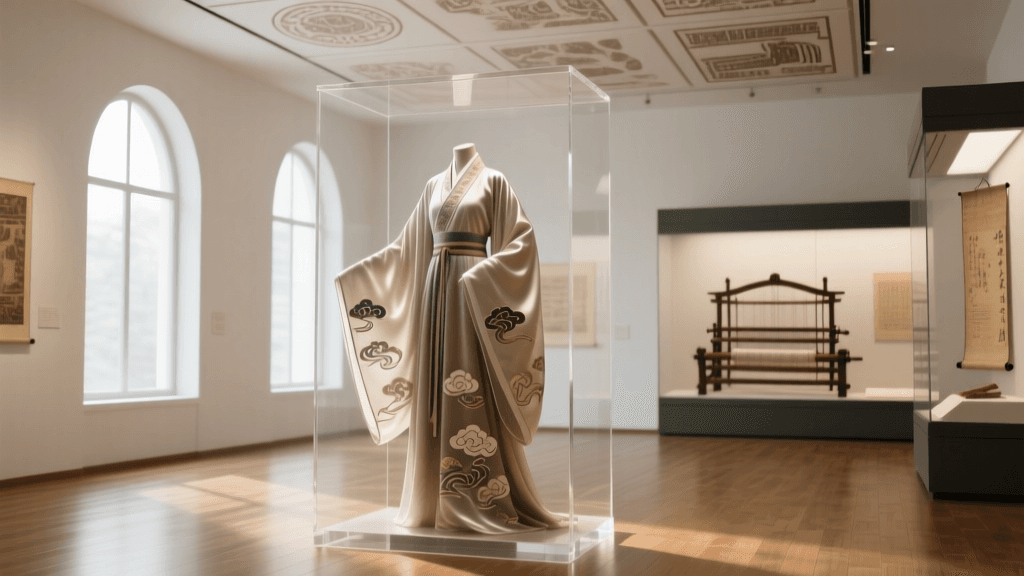
The modern editorial approach treats these garments not as static historical artifacts, but as dynamic, living textiles that interact with contemporary haute couture. According to the Victoria and Albert Museum's Asian collections, the intersection of historical textile preservation and modern design requires a deep understanding of the original garment's structural integrity. In 2026, editorial teams are allocating significant portions of their production budgets—often between $800 and $1,500 per day—to hire specialized Asian cultural consultants who ensure that styling choices respect the garment's heritage while pushing its sartorial boundaries.
Deconstructing the Neo-Hanbok for High Fashion
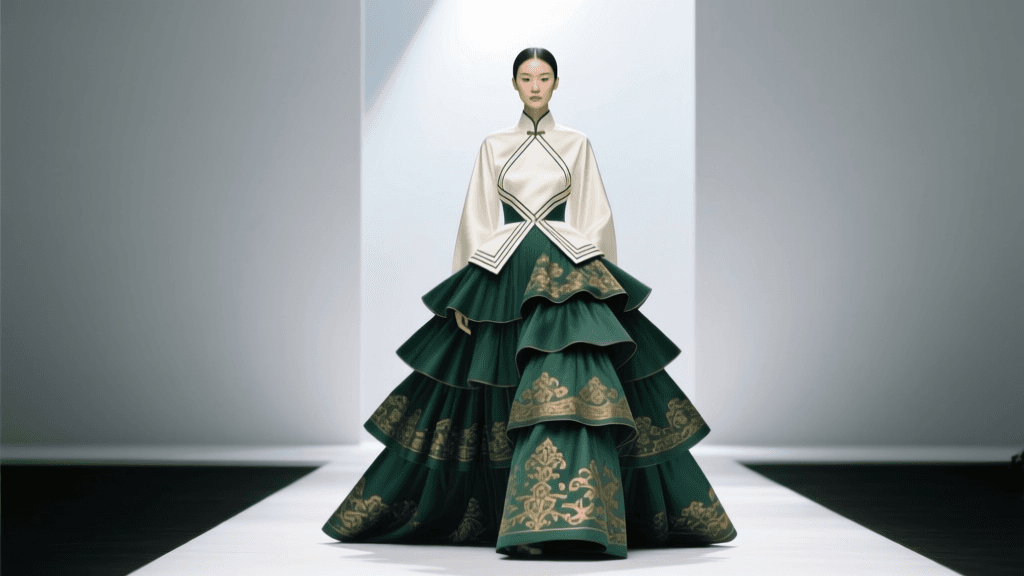
The Hanbok, traditionally characterized by its vibrant colors and simple lines without pockets, has been reimagined for the 2026 editorial eye. The 'Neo-Hanbok' retains the fundamental architecture of the jeogori (jacket) and chima (skirt) or baji (trousers), but manipulates volume, proportion, and material to suit high-definition digital cinema and large-format print.
Silhouette and Proportion Adjustments
For editorial photography, the traditional volume of the chima can sometimes overwhelm the subject or obscure the styling of the upper body. In 2026, stylists are working with bespoke tailors to create asymmetrical, high-low hemlines that maintain the bell-shaped silhouette but allow for dynamic movement and footwear visibility. The jeogori is frequently cropped to sit precisely at the floating rib, elongating the torso. When styling, ensure the goreum (the long tie) is knotted using the traditional single-wing bow, but allow the tails to extend up to 40 centimeters to catch the wind during motion-blur shots.
Fabric Innovations and Lighting
Traditional silk organza (sa) is highly reflective and can cause severe specular highlights under modern continuous LED lighting arrays. The 2026 solution is the use of bio-fabricated peace silk and matte-finish recycled cupro blends. These fabrics absorb light beautifully, allowing the rich, natural dyes—such as fermented indigo and madder root—to register accurately on 100-megapixel medium format sensors. Actionable Advice: When shooting Neo-Hanbok silks, use cross-polarization filters on both your light sources and camera lenses. This eliminates surface glare and reveals the intricate warp-and-weft texture of the textile without flattening the image.
The Modern Qipao: Tailoring and Red Carpet Elegance
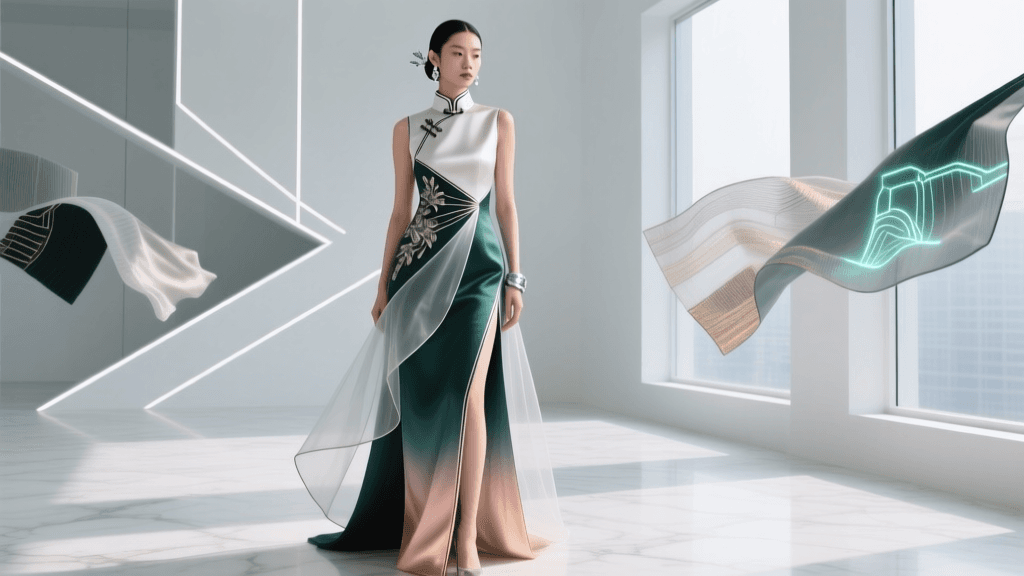
The Qipao, or Cheongsam, has long been a staple of global red carpets, but 2026 editorials demand a departure from the restrictive, hyper-sexualized tropes of the late 20th century. The modern editorial Qipao focuses on architectural deconstruction, artisanal embroidery, and ergonomic tailoring that allows the wearer to move with absolute freedom.
The Mandarin Collar and Pankou Fastenings
The Mandarin collar is the defining feature of the Qipao, but a poorly fitted collar can cause visible discomfort and neck strain during long editorial shoots. In 2026, the standard editorial collar height is set between 3.5 cm and 4.0 cm, interfaced with a flexible, breathable bamboo-charcoal mesh rather than stiff plastic. This provides structure without chafing. Furthermore, traditional pankou (frog fastenings) are being reimagined. While hand-knotted silk remains the purist's choice, high-fashion stylists are now incorporating 3D-carved jade, sustainably sourced tagua nut, or even hidden magnetic closures disguised as traditional knots to allow for rapid wardrobe changes on set.
Ergonomic Tailoring for Dynamic Posing
A common mistake in styling the Qipao for media is tailoring it too tightly, treating it like a rigid sheath dress. The Metropolitan Museum of Art's Asian Art department frequently highlights the historical necessity of ease in traditional Asian garments to accommodate layers and movement. For 2026 editorials, instruct your tailors to add 2.5 cm of wearing ease at the bust and 3.0 cm at the hip. Incorporate hidden gussets under the arm and utilize a 45-degree bias cut for the lower skirt to ensure the garment drapes flawlessly when the model is in motion or seated.
2026 Editorial Specifications: Traditional vs. Modern
To assist stylists and wardrobe departments in bridging the gap between historical accuracy and editorial necessity, the following table outlines the key technical specifications for 2026 productions.
| Garment Element | Traditional Specification | 2026 Editorial Specification | Styling & On-Set Note |
|---|---|---|---|
| Qipao Collar Height | 5.0 cm - 7.0 cm (Stiff) | 3.5 cm - 4.0 cm (Flexible) | Use bamboo mesh interfacing to prevent neck shadows and model discomfort. |
| Hanbok Chima Hemline | Floor-grazing, bell-shaped | Asymmetrical high-low, structured | Weights sewn into the hem to control fabric flight in studio wind machines. |
| Embroidery Technique | Dense, full-coverage Su silk | Negative-space, tonal thread | Limit embroidery to 20% of surface area to reduce garment weight and cost. |
| Fastenings (Pankou) | Hand-knotted silk cord | Magnetic core, silk-wrapped | Allows for 10-second wardrobe changes without damaging delicate silk loops. |
| Base Layering | Cotton or linen undergarments | Seamless microfiber bodysuits | Prevents visible panty lines (VPL) and absorbs sweat under hot continuous lights. |
Sourcing, Artisans, and Cultural Consultation
Authenticity in 2026 fashion media is inextricably linked to ethical sourcing and direct collaboration with heritage artisans. The era of mass-produced, factory-made 'traditional' garments for high-end editorials is over. Publications now require transparency in their supply chains, heavily favoring garments that support living cultural treasures.
Investing in Su Embroidery and Natural Dyes
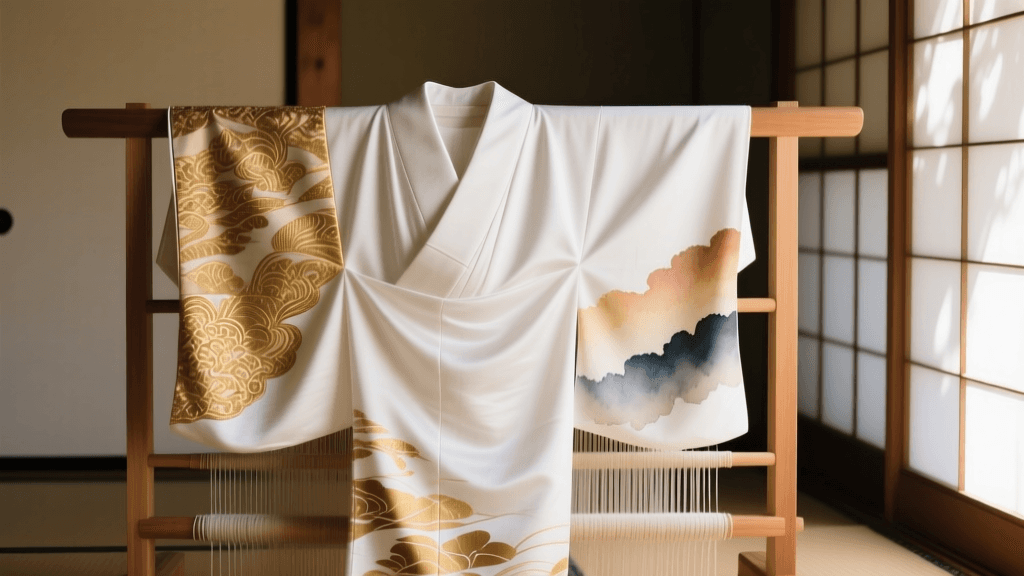
For editorials requiring intricate embroidery, stylists are commissioning bespoke pieces from master artisans in Suzhou and Hangzhou. The cost for authentic, single-sided Su embroidery in 2026 ranges from $150 to $400 per square foot, depending on the complexity of the thread-splitting technique (where a single silk thread is split into up to 48 finer strands). Lead times for these bespoke editorial pieces are typically 12 to 16 weeks. Creative directors must factor this timeline into their pre-production schedules. When utilizing natural dyes, be aware that fabrics dyed with traditional persimmon juice (galot) or indigo will continue to oxidize and shift in color over the first 48 hours after unboxing; always conduct camera tests with the final garment 72 hours before the shoot.
The Role of the Cultural Consultant
As noted by the official Korean cultural portals, the global export of traditional dress requires careful stewardship to prevent the dilution of its cultural significance. In 2026, hiring a cultural consultant is standard practice for major editorial houses. These experts review mood boards, approve styling combinations (such as ensuring a Hanbok is not incorrectly paired with Japanese or Chinese hair ornaments), and advise on the appropriate use of symbolic motifs. For instance, while peony motifs symbolize wealth and honor and are universally celebrated in editorial contexts, certain dragon or phoenix motifs carry specific imperial or marital connotations that may clash with the narrative of a standard fashion spread. A consultant ensures the visual story remains respectful and contextually accurate.
On-Set Handling and Conservation
High-fashion editorial garments, particularly those utilizing antique textiles or fragile 2026 bio-silks, require meticulous on-set handling. Never use standard metal binder clips or safety pins to alter the fit of a traditional garment on a model. The metal can react with natural dyes, causing irreversible staining, and the pins will permanently sever delicate silk warp threads. Instead, wardrobe stylists must use acid-free archival tissue paper for padding and padded, fabric-covered clamps for temporary fit adjustments. When steaming a modern Qipao or Neo-Hanbok, use a continuous-flow steamer with a Teflon shoe, keeping the steam head at least 5 centimeters away from the fabric to prevent water spotting on the natural silk finishes.
Conclusion
The representation of Asian traditional garments in 2026 global fashion media is a masterclass in the synthesis of heritage and innovation. By prioritizing ergonomic tailoring, embracing sustainable and bio-fabricated textiles, and mandating rigorous cultural consultation, the fashion industry is finally giving the Neo-Hanbok and the modern Qipao the sophisticated, respectful platform they deserve. For stylists and editors, mastering these technical and cultural nuances is the key to producing editorials that are not only visually breathtaking but culturally resonant in today's discerning global market.