Guide to China's Top Hanfu & Textile Heritage Museums
The Resurgence of Sartorial History in China
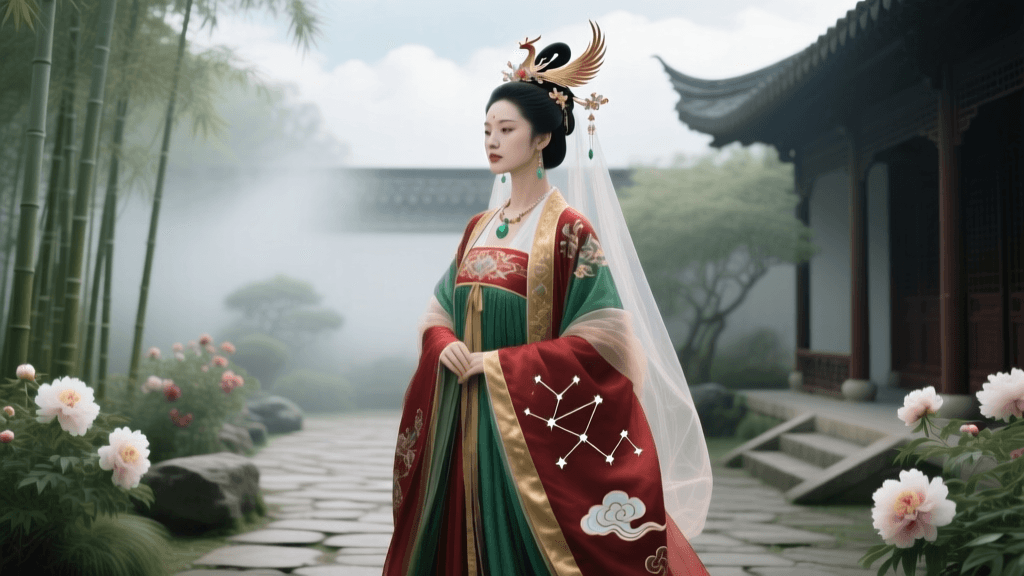
For enthusiasts of traditional Asian garments, China offers an unparalleled journey through millennia of textile innovation, sartorial elegance, and cultural preservation. The modern Hanfu movement has not only revived the wearing of traditional clothing—such as the flowing Ruqun (blouse and skirt) of the Tang Dynasty or the structured Mamianqun (horse-face skirt) of the Ming Dynasty—but has also driven a massive resurgence in interest regarding where these garments are preserved, studied, and displayed. Today, China’s premier Hanfu and textile museums serve as vital institutions for archaeological conservation, intangible heritage craftsmanship, and public education.
Whether you are a textile historian, a Hanfu practitioner seeking inspiration for accurate historical reproductions, or a cultural traveler, visiting these heritage sites provides a tangible connection to the warp and weft of Chinese history. This guide explores the most significant Hanfu and textile museums in China, offering practical advice, historical context, and essential travel tips for experiencing these cultural exhibitions.
China National Silk Museum (Hangzhou)
Located near the picturesque West Lake in Hangzhou, the China National Silk Museum (CNSM) is the largest silk museum in the world and a cornerstone for understanding the foundation of Chinese traditional garments. Hangzhou has been a center of silk production for over a thousand years, and the museum reflects this deep-rooted heritage.
What to Expect
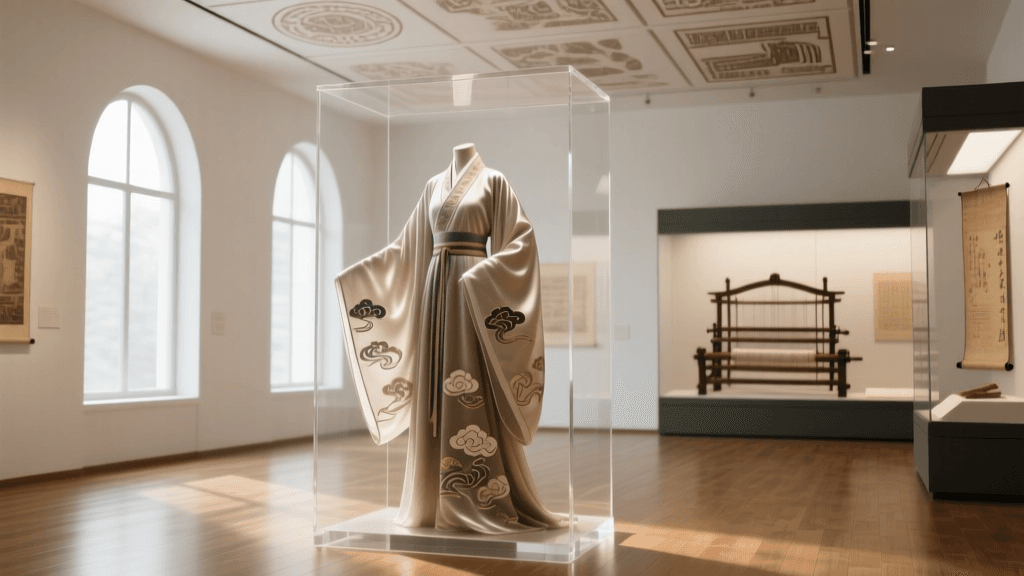
The museum is divided into several key pavilions. The Silk Road Pavilion traces the trade routes that brought Chinese textiles to the rest of the world, featuring remarkably preserved fragments of Han and Tang dynasty silks recovered from arid tombs in Xinjiang. For Hanfu enthusiasts, the most captivating section is the Conservation and Restoration Laboratory. Here, visitors can observe scientists using microscopic analysis and non-invasive dye testing to restore fragile textiles excavated from the Mawangdui Han tombs and other archaeological sites.
The CNSM frequently hosts temporary exhibitions dedicated to specific historical periods, showcasing meticulously researched Hanfu reproductions alongside the original, fragmented artifacts. These exhibits are invaluable for understanding the structural layering, undergarments, and seasonal fabric choices of ancient Chinese wardrobes.
Practical Information
- Admission: Free (Advance booking required via the official WeChat Mini-Program).
- Time Needed: 3 to 4 hours.
- Best Time to Visit: Tuesday through Thursday mornings to avoid weekend crowds and school groups.
Nanjing Cloud Brocade Museum (Nanjing)
While Hangzhou is famous for lightweight silks, Nanjing is the historic home of Yunjin (Cloud Brocade), a luxurious, heavy fabric interwoven with gold and silver threads. Historically, Yunjin was reserved exclusively for imperial families and high-ranking officials, heavily featuring in the formal robes and Yuanlingpao (round-collar robes) of the Ming and Qing dynasties.
The Living Heritage of the Jacquard Loom
The highlight of the Nanjing Cloud Brocade Museum is its exhibition of massive, traditional wooden drawlooms. These looms are so complex that they require two artisans to operate: one sitting atop the loom to pull the warp threads according to a memorized pattern, and another below to weave the weft. The craftsmanship is so intricate that weavers can only produce a few centimeters of fabric per day. The technique is so culturally significant that it was inscribed on the UNESCO Intangible Cultural Heritage registry, highlighting its importance to global textile history.
For Hanfu makers and designers, observing the live weaving demonstrations provides profound insight into the structural weight, drape, and luminous quality of authentic Ming Dynasty brocades, which cannot be replicated by modern power looms.
Practical Information
- Admission: Free (Passport required for entry).
- Time Needed: 2 to 3 hours.
- Photography: Flash photography is strictly prohibited to protect the delicate gold-leaf threads in the historical garments.
Suzhou Silk Museum (Suzhou)
Suzhou’s reputation for fine textiles is legendary, particularly regarding Song Brocade and Su Embroidery. The Suzhou Silk Museum offers a more intimate, garden-like experience compared to the sprawling national institutions. It focuses heavily on the life cycle of the silkworm and the meticulous artistry of regional embroidery.
Embroidery and the Art of the Hanfu Motif
Traditional Hanfu is often defined by its auspicious motifs—cranes, peonies, and cloud patterns. The Suzhou Silk Museum excels in demonstrating how these motifs were historically applied to garments. Visitors can view the evolution of Su embroidery, from the subtle, monochromatic scholarly robes of the Song Dynasty to the vibrant, multi-colored festival garments worn by children during traditional rites of passage. The museum also highlights the broader context of Chinese silk, a topic extensively covered by institutions like The Metropolitan Museum of Art's Heilbrunn Timeline of Art History, which notes the profound impact of Chinese sericulture on global fashion and trade.
Museum Comparison Chart
To help you plan your textile heritage tour, here is a structured comparison of China's top three silk and Hanfu-related museums.
| Museum Name | Location | Primary Focus | Admission Cost | Time Needed |
|---|---|---|---|---|
| China National Silk Museum | Hangzhou | Silk Road history, archaeological conservation, broad dynastic overview | Free | 3-4 Hours |
| Nanjing Cloud Brocade Museum | Nanjing | Imperial Yunjin brocade, Ming/Qing formal robes, traditional drawlooms | Free | 2-3 Hours |
| Suzhou Silk Museum | Suzhou | Sericulture, Su Embroidery, Song Brocade, motif application | Free | 2 Hours |
Practical Advice for the Heritage Traveler
Visiting museums in China requires some advance logistical planning, particularly for international travelers or those unfamiliar with the local digital ecosystem.
Navigating WeChat Mini-Programs
Almost all major museums in China have eliminated physical ticket booths in favor of digital reservations. You must book your entry slot via the museum’s official WeChat Mini-Program.
- Step 1: Download WeChat and link an international credit card.
- Step 2: Search for the museum’s Chinese name (e.g., 中国丝绸博物馆 for the National Silk Museum) in the WeChat search bar.
- Step 3: Select "Ticket Reservation" (门票预约), choose your date and time slot, and enter your passport details.
- Tip: Tickets are usually released 3 to 7 days in advance and can sell out quickly during national holidays like the Golden Week (October) or the Spring Festival.
Understanding Intangible Heritage Context
When viewing the garments, it is crucial to understand the distinction between archaeological artifacts and intangible heritage reproductions. Many museums display modern, hand-woven replicas alongside ancient, decayed fragments. The sericulture and silk craftsmanship of China is a protected UNESCO heritage, meaning the techniques used to create the replica garments on display are historically authentic, even if the threads are new. Pay close attention to the placards, which will specify if an item is an "excavated artifact" (出土文物) or a "restored replica" (复原复制品).
Etiquette and Wearing Hanfu to Exhibitions
It is increasingly common to see visitors wearing Hanfu while touring these museums. In fact, institutions like the China National Silk Museum actively encourage it, viewing it as a living extension of their cultural mission. However, there are strict etiquette rules to follow:
"Museums are spaces of preservation and quiet reflection. While wearing historical garments is a beautiful tribute to the culture, the physical safety of the artifacts must always take precedence over photography." — Museum Conservation Guidelines
- Photography Rules: Tripods, selfie sticks, and commercial photoshoots with heavy lighting rigs are universally banned in exhibition halls. If you are wearing Hanfu, rely on natural light or the museum's ambient lighting.
- Garment Management: Traditional Hanfu, particularly styles with long, trailing sleeves or heavy skirts, can easily brush against display cases or trip other visitors. Practice "sleeve management" (folding or holding your sleeves) when navigating crowded corridors.
- Respect the Space: Do not pose in front of emergency exits, block pathways, or touch the glass display cases with your hands or accessories (such as hairpins or folding fans).
Conclusion
China’s Hanfu and textile heritage museums are far more than static repositories of old cloth; they are dynamic centers of research, cultural revival, and artistic inspiration. From the monumental drawlooms of Nanjing to the high-tech conservation labs of Hangzhou, these institutions offer a profound look into the structural layering, seasonal fabric choices, and artistic mastery that define traditional Chinese clothing. By planning ahead, respecting museum etiquette, and engaging deeply with the intangible heritage on display, travelers and Hanfu enthusiasts alike can forge a meaningful connection with the sartorial legacy of Asia.