Hanfu on Global Runways: 2026 International Fashion Week Trends
The Renaissance of Hanfu in 2026 Haute Couture
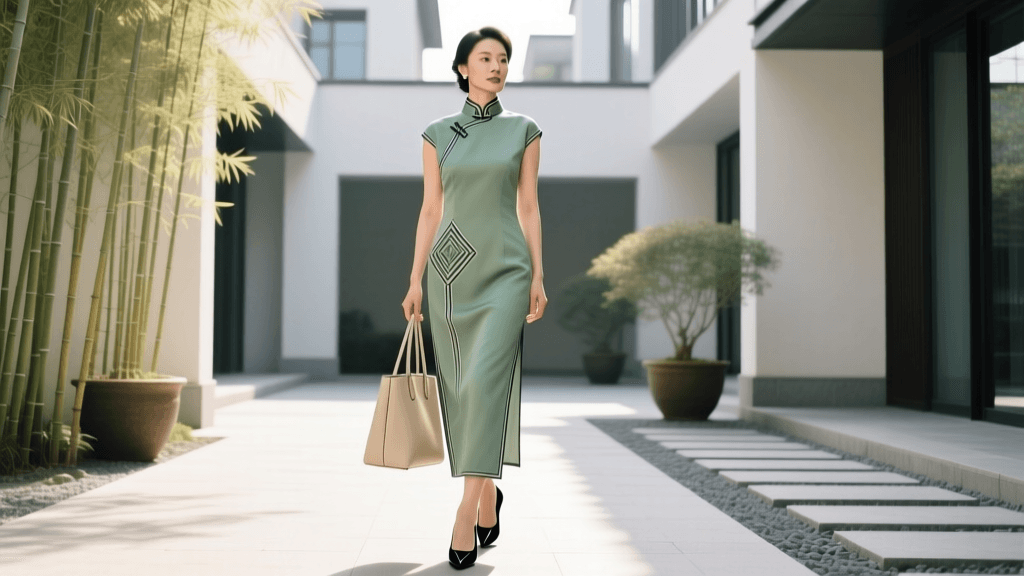
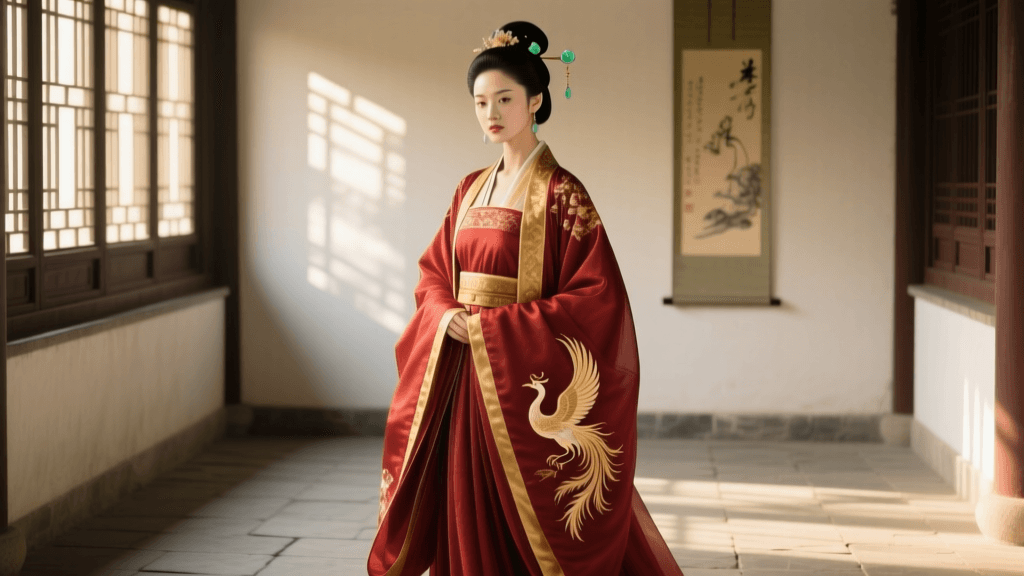
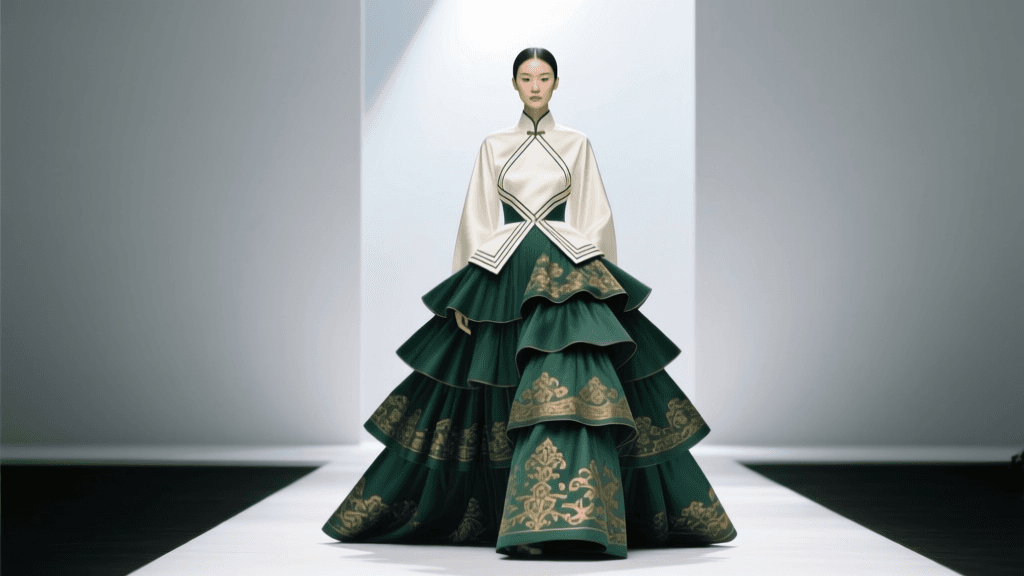
The global fashion landscape has undergone a seismic shift as we navigate the Spring/Summer and Fall/Winter 2026 fashion weeks. No longer confined to niche subcultures or regional heritage festivals, traditional Chinese Hanfu has firmly established itself as a dominant force on the global runways of Paris, Milan, New York, and London. The 2026 collections mark a pivotal evolution: we have moved past the superficial borrowing of Orientalist motifs and entered an era of deep, structural appreciation for ancient Chinese garment engineering. Leading luxury conglomerates and avant-garde independent designers alike are now deconstructing and reimagining Hanfu silhouettes, bringing millennia-old craftsmanship to the forefront of international haute couture.
This integration is not merely aesthetic; it is deeply technical. The meticulous pleating of the Ming Dynasty, the complex layering of the Tang Dynasty, and the eco-conscious dyeing methods of the Song Dynasty are being studied, preserved, and modernized. As the industry grapples with the strict 2026 sustainability mandates, Hanfu’s historical reliance on zero-waste cutting techniques and natural dyes has made it an invaluable blueprint for the future of luxury fashion.
Key Hanfu Silhouettes Dominating the 2026 Runways
The 2026 runway season is defined by a return to structured volume and historical accuracy, albeit with modern material innovations. Three specific Hanfu silhouettes have captured the imagination of global creative directors.
The Mamianqun (Horse-Face Skirt) Revolution
Undoubtedly the breakout star of the 2026 international fashion weeks is the Mamianqun, or horse-face skirt. Characterized by its two flat, unpleated front and back panels (the 'skirt doors') and heavily pleated sides, the Mamianqun offers a masterclass in kinetic fashion. On the Paris runways this year, designers have elevated the traditional Mamianqun by utilizing memory-shape polymer blends interwoven with heavy mulberry silk. This allows the intricate knife pleats to maintain their razor-sharp structure without the need for constant pressing, while the flat panels serve as a canvas for digital Jacquard weaving, featuring hyper-customized, abstract interpretations of traditional cloud and dragon motifs.
Jiaoling Youren (Cross-Collar) and Banbi Layering
The Jiaoling Youren, the iconic cross-collar style where the left lapel crosses over the right, remains a sacred rule in Hanfu styling, symbolizing the balance of yin and yang and the domain of the living. In 2026, global fashion houses have strictly adhered to this right-over-left rule while experimenting with exaggerated, asymmetrical hems and modular collars. Furthermore, the Banbi (half-sleeve jacket) has become the ultimate transitional layering piece in Milan and New York. Designers are pairing structured, cropped Banbi jackets made from vegan leather and upcycled brocade over sleek, modern turtlenecks, creating a striking juxtaposition of ancient silhouette and contemporary urban armor.
2026 Runway Adaptations vs. Traditional Hanfu
To understand the depth of this trend, it is essential to compare the historical garments with their 2026 haute couture counterparts. The table below outlines how traditional elements are being adapted for the modern luxury market.
| Feature | Traditional Hanfu (Ming/Song Era) | 2026 Runway Adaptation | 2026 Consumer Price Point |
|---|---|---|---|
| Mamianqun Pleats | Hand-pressed silk, requiring frequent maintenance and careful storage. | Laser-cut and heat-set memory silk blends; permanent kinetic pleating. | $850 - $2,400 (Luxury Prêt-à-Porter) |
| Fastenings | Hand-tied silk sashes and fabric knots (Zi Mu Kou). | Hidden magnetic closures and 3D-printed jade-effect toggle buttons. | Included in garment cost |
| Textiles | 100% natural mulberry silk, hemp, or ramie; woven on wooden looms. | Lab-grown spider silk blends, Xiangyunsha mud-silk, and recycled organza. | $400 - $1,500 per yard |
| Silhouette Proportions | Floor-length, pooling at the ankles with wide, sweeping sleeves. | Midi-lengths (75cm-90cm), tailored cuffs, and modular sleeve attachments. | $600 - $3,000 (Haute Couture) |
Textile Innovations: Ancient Weaves Meet 2026 Sustainability Mandates
The most significant driver of Hanfu’s global runway success in 2026 is the luxury sector's urgent pivot toward sustainable, biodegradable textiles. The European Union’s stringent 2026 Strategy for Sustainable and Circular Textiles has forced fashion houses to abandon synthetic polyesters in favor of heritage eco-textiles. This has catapulted traditional Chinese dyeing and weaving methods into the global spotlight.
The most coveted textile of the 2026 season is Xiangyunsha, also known as Gambiered Guangdong Silk. This ancient fabric is dyed using the juice of the Dioscorea cirrhosa tuber and coated with iron-rich river mud, then baked in the sun. The result is a stunning, crackled, leather-like silk that is entirely biodegradable, naturally antimicrobial, and water-resistant. According to recent market analyses from the Business of Fashion China Insights, luxury conglomerates are currently investing heavily in the Guangdong province to secure ethical, scalable supply chains for Xiangyunsha, recognizing it as the ultimate eco-luxury material that satisfies both the 2026 environmental regulations and the consumer demand for heritage storytelling.
Furthermore, institutions like the Beijing Institute of Fashion Technology have played a crucial role in this global renaissance. Their 2026 digital archiving initiatives and 3D weaving research have allowed international design houses to accurately reproduce complex Song Brocade (Song Jin) patterns without the historical risk of cultural misappropriation, fostering a new era of respectful, academic collaboration between Eastern heritage custodians and Western fashion ateliers.
The Global Supply Chain of 2026 Hanfu Textiles
The integration of Hanfu into global fashion weeks has fundamentally altered the luxury supply chain. Historically, European fashion houses sourced basic silks from Asian manufacturers. Today, the supply chain is driven by specialized artisan cooperatives. For instance, the production of Yun Brocade (Yun Jin)—a UNESCO Intangible Cultural Heritage technique requiring complex jacquard looms operated by two weavers simultaneously—is now heavily subsidized by global luxury groups. These groups are funding the apprenticeship programs in Nanjing to ensure the survival of the craft, securing exclusive rights to the output for their 2026 and 2027 haute couture collections. This symbiotic relationship ensures that the financial windfall of global runway exposure directly funds the preservation of Asian traditional garments.
How to Incorporate Runway Hanfu into Your 2026 Wardrobe
You do not need a haute couture budget to participate in this global movement. The 2026 prêt-à-porter market has made runway-inspired Hanfu accessible, versatile, and perfectly suited for modern, cosmopolitan lifestyles. Here is actionable advice on how to integrate these silhouettes into your daily rotation:
1. The Office-Appropriate Midi Mamianqun
Forget the floor-length, sweeping skirts of historical dramas. For 2026, the 75cm to 85cm midi-length Mamianqun is the ultimate power-skirt. Look for skirts crafted from wool-silk blends in muted, monochromatic tones like charcoal, deep plum, or navy. The flat front panel provides a sleek, minimalist profile suitable for boardroom environments, while the side pleats offer dynamic movement. Styling Tip: Pair a high-waisted midi Mamianqun with a crisp, structured poplin button-down shirt tucked in, and finish with pointed-toe ankle boots. The waistband of the Mamianqun is typically wide and white or contrasting; use this as a natural belt line to elongate your torso.
2. The Modern Banbi Layering Technique
The Banbi (half-sleeve jacket) is incredibly versatile for transitional weather. In 2026, look for Banbi crafted from textured cotton-linen blends or vegan leather. Because the traditional Banbi features a straight, boxy cut, it acts as an excellent alternative to the modern blazer. Styling Tip: Layer a dark, cross-collar Banbi over a lightweight, high-neck merino wool sweater and wide-leg trousers. Ensure the left lapel crosses over the right to maintain the traditional Jiaoling Youren respect. Secure it with a subtle, modern leather obi belt to give the silhouette a defined waist.
3. Investing in Authentic Xiangyunsha Accessories
If a full Xiangyunsha garment (which can easily cost between $800 and $1,500 in 2026) is outside your budget, look for accessories. Designers are increasingly using this mud-dyed silk for structured handbags, wide-brimmed hats, and even footwear. The unique, slightly stiff texture of the mud-silk makes it incredibly durable for daily-wear accessories, and its natural, earthy scent and crackled patina only improve with age and use.
4. Sourcing and Authenticity Checks
As the demand for Hanfu surges, the market has seen an influx of fast-fashion imitations. When shopping for 2026 collections, prioritize brands that provide transparency regarding their textile origins. Authentic Song Brocade should feature a continuous, reversible weave, while genuine Xiangyunsha will have a distinct, subtle scent of earth and sweet potato vine, and a characteristic dark, mottled sheen on one side. Avoid garments labeled as 'Hanfu-inspired' that utilize cheap polyester satin; not only do these violate the sustainability ethos of the movement, but they also fail to capture the kinetic drape that makes Hanfu silhouettes so revolutionary on the runway.
Conclusion
The presence of Hanfu on the 2026 global runways is not a fleeting trend; it is a profound recalibration of the fashion industry's center of gravity. By marrying the structural genius of ancient Chinese garment-making with the urgent sustainability mandates of the modern era, designers are creating a new lexicon of luxury. Whether it is the architectural pleats of the Mamianqun or the eco-miracle of Xiangyunsha mud-silk, Hanfu has proven that the most innovative fashion of 2026 is deeply rooted in the traditions of the past. As we look toward the future of global style, the cross-collar and the horse-face skirt stand as testaments to the enduring power of cultural heritage when treated with the reverence and technical mastery it deserves.