Neo-Hanbok & Cheongsam in 2026 Fashion Media: Styling Guide
The 2026 Editorial Shift: Authenticity Meets Avant-Garde
In the current 2026 global fashion media landscape, Asian traditional garments have transcended the realm of occasional ceremonial wear to become foundational pillars of high-fashion editorial styling. Leading publications such as Vogue, Harper's Bazaar, and Elle are no longer treating the Hanbok or the Cheongsam (Qipao) as mere exotic costumes for themed photoshoots. Instead, top-tier stylists and creative directors are collaborating directly with heritage artisans and contemporary Asian designers to integrate these garments into everyday luxury wardrobes. This shift represents a mature, nuanced approach to cultural appreciation, where the structural genius of traditional Asian tailoring is celebrated on its own terms.
The Spring and Summer 2026 runway seasons and subsequent editorial spreads have heavily featured what industry insiders are calling the 'Neo-Traditional' movement. This movement deconstructs the rigid historical boundaries of garments like the Korean Hanbok and the Chinese Cheongsam, reimagining them with modern textiles, asymmetric cuts, and modular styling. According to recent market analyses by The Business of Fashion, the demand for authentic, designer-led Neo-traditional Asian garments has surged by over 40% in Western luxury markets over the past twelve months, driven largely by high-profile media placements and a consumer desire for garments with deep cultural narratives and impeccable craftsmanship.
For the modern sartorialist, understanding how these garments are being styled in 2026 editorials is key to building a wardrobe that is both culturally respectful and fiercely contemporary. This guide breaks down the exact silhouettes, fabrics, and styling techniques dominating global fashion media this year, providing actionable advice on how to source and wear these pieces.
Deconstructing the Neo-Hanbok Silhouette in Media
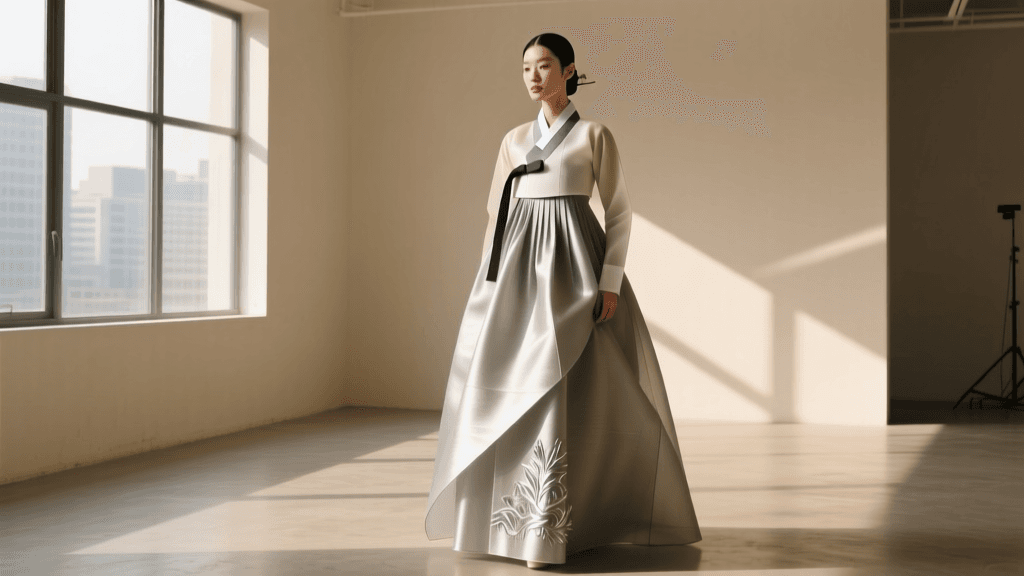
The traditional Hanbok is renowned for its elegant contrast between the fitted, cropped jeogori (jacket) and the voluminous, flowing chima (skirt). However, the 2026 editorial Neo-Hanbok, frequently spotlighted in Vogue Korea's international crossover spreads and Parisian fashion week street style, plays with these proportions in radical new ways. Designers are elongating the jeogori into duster-coat lengths and narrowing the chima into sleek, columnar wrap skirts that prioritize movement and urban functionality over historical volume.
To understand the evolution of this silhouette for your own wardrobe, it is essential to compare the historical baseline with the 2026 media-driven adaptations. The following table outlines the key differences that define the modern editorial Hanbok.
| Garment Feature | Traditional Hanbok | 2026 Editorial Neo-Hanbok |
|---|---|---|
| Jeogori (Jacket) Length | Cropped sharply above the bust line | Elongated to hip or mid-thigh; asymmetrical hems |
| Chima (Skirt) Volume | Bell-shaped, heavily pleated, high-waisted | Columnar, wrap-style, modular with slit detailing |
| Primary Fabrics | Stiff silk, ramie, heavily embroidered brocade | Liquid organza, cupro blends, tech-silk, raw linen |
| Fastenings & Ties | Goreum (long, flowing ribbon ties at the chest) | Hidden magnetic closures, tonal hardware, knot belts |
| Editorial Styling | Worn as a complete, matched set with traditional shoes | Mixed with tailored trousers, combat boots, or denim |
When sourcing a Neo-Hanbok piece for a 2026 capsule wardrobe, focus on the outerwear. The elongated jeogori-duster is the most versatile piece currently favored by fashion editors. Look for raw silk or matte cupro fabrics in muted, earthy tones like celadon, slate, or deep indigo. These fabrics drape beautifully and avoid the shiny, costumey finish that can detract from a modern aesthetic. As highlighted by the Victoria and Albert Museum's Asian collections archive, the historical use of ramie and silk in Korean textiles provides a rich foundation that modern designers are now translating into sustainable, high-performance luxury fabrics.
The Modern Cheongsam: Tailoring for the Global Stage
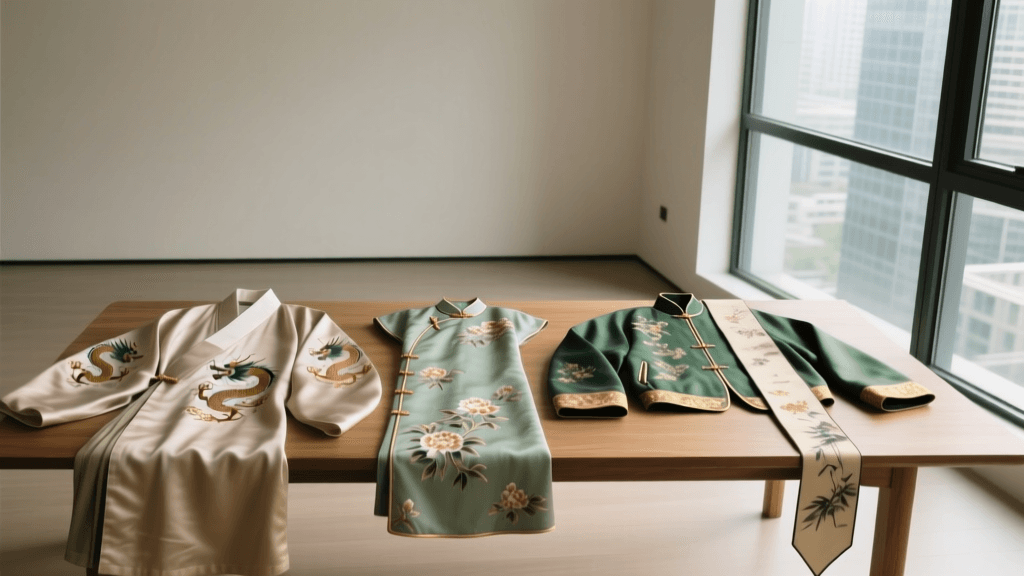
The Cheongsam (or Qipao) has long been a symbol of Shanghai glamour, characterized by its high mandarin collar, form-fitting silhouette, and intricate pankou (knotted button) closures. In 2026, global fashion media is championing a 'Soft Tailoring' approach to the Cheongsam. The restrictive, body-con silhouettes of the mid-20th century have been replaced by relaxed, architectural cuts that prioritize comfort without sacrificing the garment's iconic verticality.
Harper's Bazaar's recent 2026 editorial features have heavily highlighted the 'Deconstructed Qipao.' This style retains the iconic asymmetrical front flap and mandarin collar but drops the waistline and introduces deep side slits that allow the garment to be worn open over wide-leg trousers or slip dresses. The traditional pankou knots are often exaggerated in size, crafted from vegan leather or brushed metal, serving as bold, sculptural hardware rather than mere functional fastenings.
If you are looking to invest in a modern Cheongsam this year, prioritize the collar and the shoulder construction. The 2026 trend dictates a slightly lower, softer mandarin collar (around 2 to 2.5 centimeters in height) that does not restrict neck movement, paired with a dropped or extended shoulder seam. This subtle shift in pattern-making transforms the Cheongsam from formal evening wear into a versatile piece that can be styled with chunky knitwear or structured blazers for high-fashion daytime editorials.
Actionable Guide: Building Your 2026 Media-Inspired Capsule
Sourcing authentic, high-quality Neo-traditional garments requires looking beyond fast-fashion imitations and investing in designers who are deeply rooted in the cultural heritage of these garments while pushing the boundaries of modern design. Below is a curated list of leading brands dominating the 2026 fashion media landscape, along with their current price points and signature pieces.
- Danha (South Korea): Currently the most sought-after brand for Neo-Hanbok in global editorials. Their 2026 collection features the 'Dancheong' tailored blazer, which integrates traditional Korean roof-bracket motifs into modern wool-silk suiting. Price Range: $600 - $1,200.
- Samuel Gui Yang (China/UK): A master of the modern Cheongsam. His Spring 2026 deconstructed qipao dresses, crafted from upcycled deadstock brocade and featuring exaggerated, sculptural pankou knots, are a favorite among European fashion editors. Price Range: $850 - $1,600.
- Ms MIN (China): Known for avant-garde layering that draws on Song-dynasty aesthetics. Their 2026 floor-length silk organza dusters and wide-leg 'Dao' trousers offer a masterclass in ethereal, editorial volume. Price Range: $900 - $2,500.
- Kimhekim (South Korea): While primarily a contemporary brand, their 2026 integration of Hanbok-inspired goreum (ribbon) ties onto oversized poplin shirts and trench coats offers an accessible entry point into the trend. Price Range: $350 - $750.
When purchasing, always verify the brand's artisan partnerships. The most respected labels in 2026 are those that actively collaborate with regional weavers and embroiderers, a practice that safeguards the intangible cultural heritage of these textile traditions, as recognized by global preservation organizations like UNESCO's Intangible Cultural Heritage lists.
Styling Traditional Pieces for Contemporary Editorials
The secret to pulling off traditional Asian garments in a 2026 context lies in the art of juxtaposition. Fashion media stylists rarely pair a Neo-Hanbok or modern Cheongsam with traditional accessories. Instead, they ground these historically rich pieces with hyper-modern, utilitarian, or minimalist elements to create visual tension.
Footwear: Abandon the traditional embroidered slippers. The 2026 editorial standard pairs flowing Hanbok skirts and slit Cheongsams with chunky, lug-sole combat boots or sleek, square-toed leather mules. This contrast between the ethereal drape of the silk and the heavy, grounded nature of modern footwear is the defining look of the year.
Layering: Treat the Cheongsam not as a standalone dress, but as a layering piece. Wear a sleeveless, modern Qipao over a crisp, oversized white poplin shirt, allowing the collar and cuffs to peek out. Alternatively, layer a sheer, organza Neo-Hanbok duster over a simple ribbed turtleneck and tailored denim. This approach integrates the traditional garment into a daily, wearable rotation.
Accessories: Keep jewelry architectural and brutalist. Heavy, hammered silver cuffs or geometric resin earrings complement the clean lines of the modern Cheongsam collar without competing with it. Avoid jade or enamel pieces that might push the styling back into historical reenactment territory; the goal is to project forward-looking luxury.
Conclusion: The Future of Heritage in High Fashion
The year 2026 marks a definitive turning point in how Asian traditional garments are consumed, styled, and respected on the global stage. The Neo-Hanbok and the modern Cheongsam are no longer relegated to the archives or the red carpet; they are living, breathing components of the contemporary luxury wardrobe. By understanding the structural shifts, investing in authentic designers, and mastering the art of modern juxtaposition, you can participate in this rich sartorial dialogue. As global fashion media continues to champion these silhouettes, the line between ancient heritage and avant-garde fashion will only continue to blur, resulting in some of the most breathtaking and meaningful clothing of our time.