2026 Hanfu Secondhand Market: Vintage Collecting & Resale Guide
The Rise of the Hanfu Secondhand Market in 2026
The Hanfu movement has evolved dramatically over the last decade, transitioning from a niche historical reenactment hobby into a mainstream cultural and fashion phenomenon. As we navigate 2026, the sheer volume of traditional Chinese garments produced and sold has created a thriving, highly specialized secondary market. For collectors, fashion historians, and enthusiasts, the Hanfu secondhand market offers a unique opportunity to acquire retired designs, early movement artifacts, and even genuine antique textiles that are no longer available through primary retail channels.
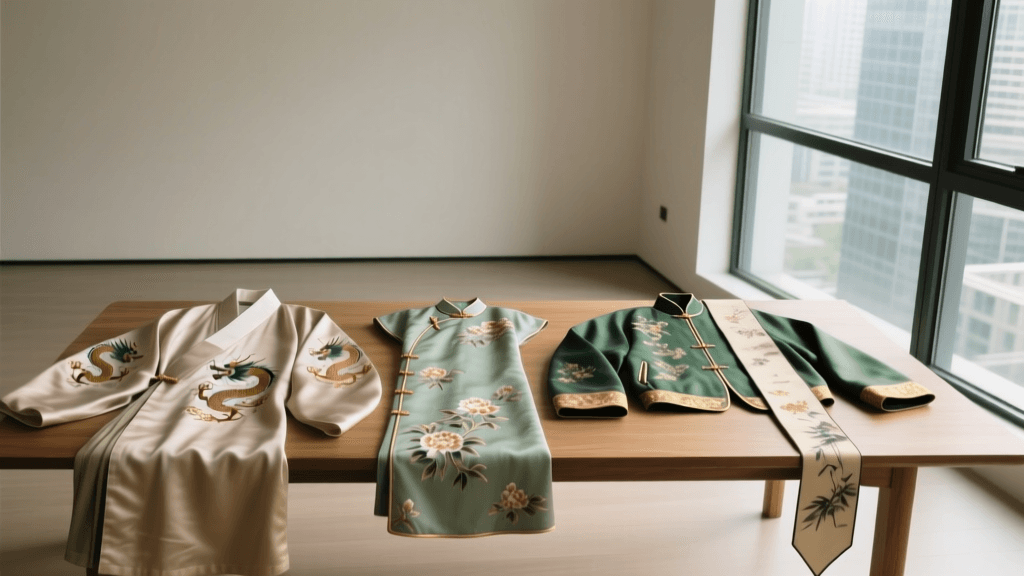
Unlike Western vintage fashion, which often categorizes items by the decade of their creation, the Hanfu vintage market is uniquely bifurcated. On one side, you have "movement vintage"—retired reproductions from pioneering brands of the late 2010s and early 2020s that hold immense sentimental and cultural value for early adopters. On the other side, you have genuine historical textiles from the Ming and Qing dynasties, which require rigorous authentication and archival care. Understanding the nuances of this dual market is essential for any serious collector in 2026.
Navigating Xianyu and Global Resale Platforms
The undisputed epicenter of the Hanfu secondhand market remains Alibaba’s Xianyu (Idle Fish). In 2026, Xianyu’s dedicated Hanfu categories process millions of transactions annually, supported by AI-driven authentication tools and community-moderated dispute resolution. However, for international collectors, navigating domestic Chinese platforms can present logistical and linguistic hurdles.
Top Platforms for Hanfu Resale
- Xianyu (Idle Fish): The primary hub for domestic resale. It offers the highest volume of both retired modern brands and authentic antiques. Success here requires mastering specific community slang.
- Depop & Grailed: While primarily Western-focused, these platforms have seen a 40% increase in curated Hanfu listings from international sellers in 2026, particularly for highly visual Tang and Song dynasty-inspired sets.
- Specialized Facebook & Reddit Communities: Groups like "Hanfu Exchange & Resale" remain vital for English-speaking collectors, offering peer-to-peer verification and proxy-buying services for Xianyu listings.
Essential Xianyu Search Terminology
To uncover the best deals and rarest pieces on Xianyu, collectors must use the community’s specialized lexicon. Searching for standard terms will only yield modern, mass-produced inventory. Instead, utilize these keywords:
- 绝版 (Jué bǎn): Translates to "out of print" or "retired." Use this to find early designs from brands like Shisanyu (十三余) or Zhongling (钟灵记) that are no longer in production.
- 退坑 (Tuì kēng): Meaning "leaving the pit" (quitting the hobby). Sellers using this tag are often liquidating entire collections quickly, presenting opportunities for bulk purchases or steep discounts on high-end items.
- 回血 (Huí xiě): Translates to "recovering blood" (recouping money). This indicates a seller is listing items at or slightly below their original retail price to fund new purchases.
Authenticating Vintage Hanfu vs. Modern Replicas
As the market has grown, so has the sophistication of counterfeiters. In 2026, distinguishing between a genuine retired piece from a pioneering brand and a modern "Shanzhai" (knockoff) requires a keen eye for construction, fabric, and hardware. As noted by fashion critics at the South China Morning Post's fashion desk, the secondary market for traditional garments has outpaced fast-fashion, leading to a surge in high-quality replicas that mimic the distressing and aging of early Hanfu movement pieces.
Key Markers of Early 2020s "Vintage" Hanfu
If you are collecting "movement vintage" (garments produced between 2015 and 2022), authentication relies heavily on brand-specific markers. Early Hanfu brands often utilized heavy polyester jacquards before transitioning to more historically accurate silk damasks and digital printing techniques in the mid-2020s.
- Tagging and Packaging: Early Shisanyu and Han Shang Huan pieces often featured distinct holographic tags or specific font styles on their care labels that modern counterfeiters fail to replicate accurately.
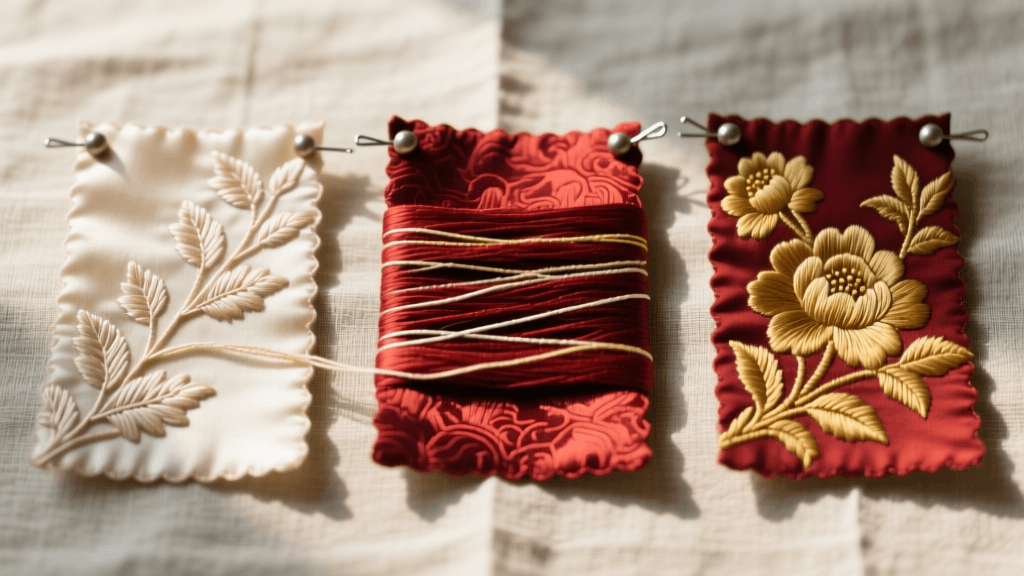
- Hardware and Embroidery: Vintage Mamianqun (horse-face skirts) from the late 2010s often used heavier, less refined metallic threads for embroidery. The weight and drape of these early skirts are distinctly different from the lightweight, laser-cut brocades of 2026.
- Pattern Alignment: High-end retired brands, despite using early manufacturing techniques, maintained strict pattern alignment at the side seams of pleated skirts. Knockoffs frequently misalign the iconic woven motifs to save on fabric waste.
2026 Pricing Trends and Investment Tiers
The valuation of secondhand Hanfu is driven by brand prestige, historical accuracy, material composition, and rarity. Museum-grade reproductions and genuine antiques operate in a completely different economic sphere than early mass-market movement pieces. According to the Victoria and Albert Museum's extensive Chinese dress archives, understanding the structural integrity and historical context of silk weaving is paramount when evaluating the true worth of antique textiles.
| Garment Category | Notable Brands / Eras | 2026 Average Resale Price (USD) | Collector Demand |
|---|---|---|---|
| Ming Dynasty Mamianqun (Reproduction) | Ming Hua Tang, Zhongling | $450 - $1,500+ | Extremely High (Investment Grade) |
| Song Dynasty Beizi & Skirts (Retired) | Shisanyu (Early Eras) | $120 - $280 | High (Nostalgia / Movement History) |
| Tang Dynasty Qixiong Ruqun | Han Shang Huan, Early Taobao | $80 - $180 | Moderate (Cosplay / Photography) |
| Genuine Antique Qing/Han Textiles | Estate / Auction / Xianyu Antiques | $800 - $5,000+ | Archival / Museum / Elite Private |
Note: Prices fluctuate based on the condition of the silk, the presence of original tags, and the completeness of the set (e.g., whether the matching top and skirt are sold together).
Archival Care for Secondhand Silk and Brocade
Acquiring a rare Ming Hua Tang woven silk skirt or a genuine 19th-century embroidered jacket is only the first step; preserving it is a lifelong commitment. Secondhand garments often arrive with hidden issues, including improper previous storage, lingering odors, or microscopic pest damage. The Metropolitan Museum of Art's Textile Conservation department recommends strict environmental controls and specialized handling for fragile silks to prevent protein fiber degradation.
Step-by-Step Intake and Preservation Protocol
- Quarantine and Inspection: Upon receiving a secondhand silk or brocade garment, isolate it in a sealed plastic bin for two weeks. Inspect the seams and pleats with a magnifying glass for signs of carpet beetle larvae or silverfish frass.
- Airing Out: Never wash historical or high-end Hanfu reproductions at home. Instead, air the garment out in a shaded, well-ventilated room for 48 hours to dissipate shipping odors and allow the fibers to relax.
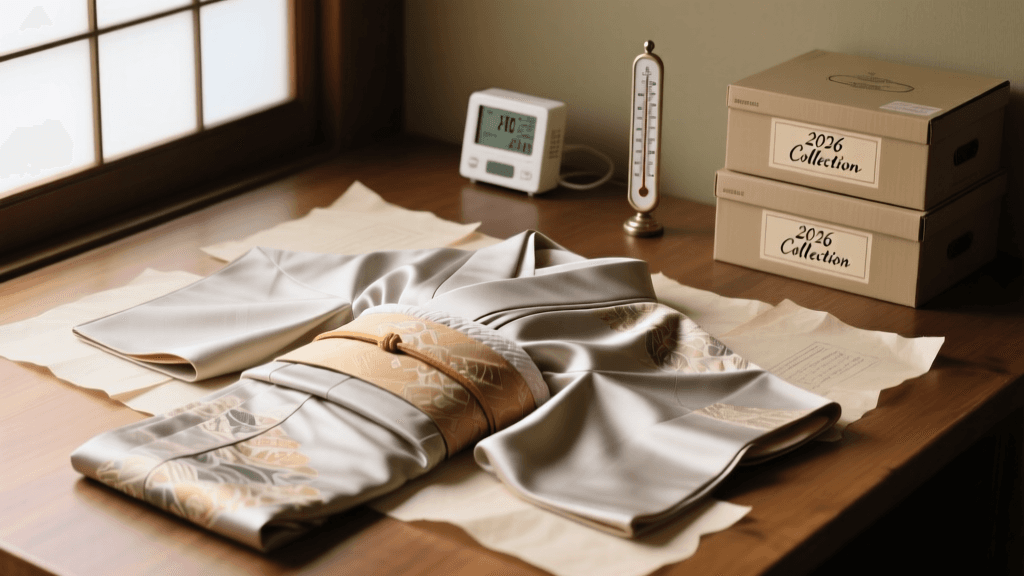
- Proper Folding and Padding: Sharp creases will eventually shatter weighted silks. Use acid-free, unbuffered tissue paper to pad the folds of Mamianqun pleats and Aoqun collars. Never use colored tissue or standard cardboard boxes, which contain acids that will yellow and rot the silk.
- Climate Control: Store your collection in a cool, dark environment with a stable relative humidity of 45-55%. Avoid cedar chests, as the natural oils in cedar can transfer to and stain delicate textiles over time. Opt for powder-coated steel shelving or archival-quality polypropylene bins.
Expert Tips for Building a Curated Collection
Building a meaningful Hanfu collection in 2026 requires patience and a defined curatorial focus. Rather than indiscriminately buying every retired piece, successful collectors choose a specific niche. Some focus exclusively on the evolution of the Ming Dynasty *Dahu* (sleeveless vest) across different modern brands, while others dedicate themselves to acquiring genuine Qing dynasty Han women's *Mangao* (python jackets).
Networking is equally crucial. Engage with textile historians, join specialized forums, and attend domestic Hanfu conventions where secondary market dealers often set up physical booths. By combining rigorous authentication practices with archival-grade preservation, you not only protect your financial investment but also safeguard an important, evolving chapter of Asian sartorial history for future generations.