Collecting Vintage Hanfu 2026: Secondhand Resale & Authentication
The Rise of the Archive Hanfu Collector in 2026
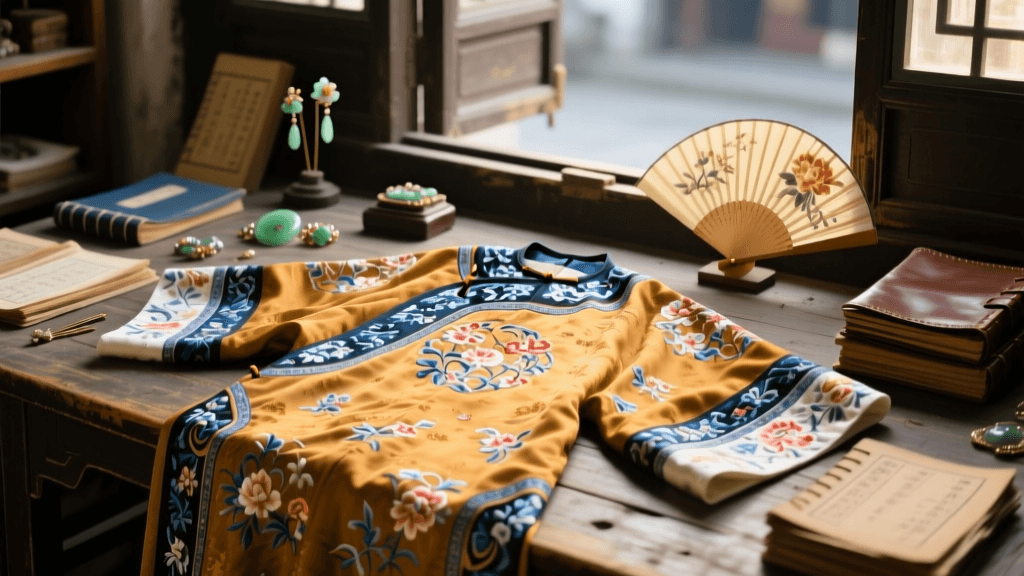
As we navigate the fashion landscape of 2026, the Hanfu movement has evolved far beyond its origins as a niche internet subculture. Today, traditional Chinese clothing is a global fashion powerhouse, and with this maturation comes a thriving secondary market. For dedicated enthusiasts, the focus has shifted from simply acquiring modern reproductions to hunting for 'archive' or vintage Hanfu. Pieces produced by pioneering brands in the late 2010s and early 2020s are now highly coveted collector's items. Brands like Ming Huatang, Zhong Lin, and early iterations of Han Shang Hua Lian are treated with the same reverence as vintage Chanel or archival Dior in Western fashion circles.
The 2026 secondhand market is driven by a desire for historical accuracy, superior traditional craftsmanship, and discontinued textiles that modern fast-fashion Hanfu brands simply cannot replicate. Whether you are looking for a rare real-gold-thread Mamian Qun (horse-face skirt) or an early silk Aoqun (jacket and skirt set), understanding the nuances of the vintage Hanfu resale market is essential for building a valuable and authentic collection.
Top Platforms for Secondhand Hanfu Resale
Finding authentic vintage Hanfu requires knowing where to look. While mainstream vintage platforms occasionally feature traditional garments, the most robust markets are highly specialized. According to foundational reports on the explosion of China's circular economy by Reuters, platforms like Xianyu (Idle Fish) have become the bedrock of peer-to-peer luxury and niche fashion resale. Below is a comparison of the primary platforms used by collectors in 2026.
| Platform | Target Audience | Buyer Protection | Typical Fees & Shipping |
|---|---|---|---|
| Xianyu (Idle Fish) | Domestic China & Proxy Buyers | High (Escrow system via Alipay) | No listing fees; domestic shipping ~15 RMB |
| Hanfu Global Discord Servers | International Collectors | Low (Peer-to-peer trust based) | PayPal Goods & Services fees; intl shipping varies |
| Specialized Facebook Groups | Western & SE Asian Enthusiasts | Medium (Admin moderation) | No fees; buyer arranges international forwarding |
| Depop / Vinted | Casual Global Vintage Shoppers | High (Platform escrow) | 10-15% seller fee; standardized shipping labels |
For international collectors in 2026, using a trusted Taobao/Xianyu proxy service is often the most reliable method to access the domestic Chinese market, where the rarest archive pieces circulate. Always ensure your proxy offers warehouse inspection photos to verify the condition of vintage silk before committing to international freight.
Authentication: Spotting True Archive Hanfu vs. Fast Fashion
The influx of mass-produced Hanfu in recent years has flooded the secondhand market, making authentication a critical skill for collectors. True archive pieces from top-tier brands feature construction methods and textile qualities that are vastly superior to modern budget alternatives. When evaluating a piece, collectors must look closely at the fabric weave, the hardware, and the brand's specific anti-counterfeit measures.
Textile and Weave Analysis
High-end vintage Hanfu often utilizes traditional silk damask, brocade, or heavy jacquard weaves. As noted by The Metropolitan Museum of Art's extensive archives on historical silk structures, traditional Chinese weaving techniques rely on complex warp and weft intersections that create a distinct depth and luminosity. Fast-fashion replicas often use flat, printed polyester or thin, single-layer jacquards that lack the structural weight and light-catching properties of genuine archive silk. A true vintage Ming Huatang skirt will feel heavy, drape fluidly, and feature metallic threads that are woven into the fabric rather than glued or printed on top.
Brand Tags and Holographic Verification
Pioneering brands anticipated the counterfeit market early on. When purchasing secondhand, always request high-resolution photos of the brand tags. Ming Huatang, for instance, utilizes specialized holographic stickers and serialized tags on their premium lines. Furthermore, examine the stitching on the lining. Archive pieces typically feature hand-finished seams or high-density machine stitching with silk thread, whereas modern mass-market pieces often exhibit serged edges with synthetic thread.
Valuation and Pricing Trends for 2026
The valuation of vintage Hanfu is dictated by rarity, brand prestige, and the condition of the textile. Unlike Western vintage fashion, where distressing or 'patina' might add character, Hanfu collectors demand pristine, unworn, or impeccably maintained condition. The following price tiers reflect the 2026 market averages for highly sought-after archive pieces:
- Tier 1: The Holy Grail (5,000 - 15,000+ RMB / $700 - $2,100+ USD)
Discontinued Ming Huatang Mamian Qun featuring real gold or silver foil threads, early 2018-2020 Zhong Lin limited-edition silk Aoqun sets, and custom-commissioned pieces from master artisans. - Tier 2: Premium Archive (1,500 - 4,500 RMB / $210 - $630 USD)
Standard but sold-out Ming Huatang skirts, high-end Han Shang Hua Lian silk jackets from their early premium lines, and rare colorways of popular traditional garments that were never restocked. - Tier 3: Entry-Level Vintage (400 - 1,200 RMB / $55 - $170 USD)
Well-maintained pieces from reputable mid-tier brands from the early 2020s, such as early Shi San Yu or Chun Song Han Fu Tang. These pieces offer excellent traditional tailoring but lack the extreme rarity of Tier 1 brands.
Prices in 2026 have stabilized compared to the speculative spikes of previous years, but pristine, tagged-with-tags (NWT) archive pieces continue to appreciate as the original owners hold onto their collections.
Caring for Your Vintage Hanfu Collection
Preserving vintage Hanfu requires a meticulous approach to garment care, particularly when dealing with delicate silks and metallic threads. Improper storage can lead to irreversible damage, such as the tarnishing of gold threads or the shattering of weighted silk.
Archival Storage Solutions
Never hang heavy vintage Mamian Qun or silk jackets for long-term storage, as the weight of the fabric will distort the traditional flat-cut shoulders and stress the seams. Instead, fold the garments using acid-free, unbuffered tissue paper to prevent hard creases. Store them in breathable cotton garment bags or archival-quality cedar boxes, which naturally repel moths and insects without the use of harsh chemical mothballs that can degrade silk fibers.
Cleaning and Maintenance
Avoid washing vintage Hanfu at home. Water can cause metallic threads to tarnish and silk brocades to lose their structural stiffness. If a piece requires cleaning, consult a dry cleaner who specializes in historical textiles or traditional Asian garments. Between wears, air the garments out in a shaded, well-ventilated area to remove odors and moisture, ensuring the fabric remains pristine for decades to come.
The Cultural Impact of Vintage Collecting
The transition of Hanfu from a revivalist project to a collectible fashion category marks a significant milestone in cultural heritage preservation. As highlighted in historical analyses of the movement's digital roots by BBC Culture, the initial boom was heavily driven by social media and a desire for cultural identity among youth. In 2026, the vintage collecting scene represents a deeper, more academic engagement with history. Collectors are not just buying clothes; they are archiving the material culture of the Hanfu revival movement itself.
By participating in the secondhand market, collectors ensure that the incredible craftsmanship of early Hanfu makers is preserved, studied, and appreciated. Whether you are hunting for a rare Ming dynasty reproduction on Xianyu or carefully preserving a vintage silk jacket in your wardrobe, you are actively participating in the living history of Asian textile traditions.
Expert Tips for Aspiring Collectors in 2026
If you are looking to start your archive Hanfu collection this year, patience and networking are your best tools. Join specialized Discord servers and Facebook groups dedicated to Hanfu trading. Build relationships with domestic Chinese proxy agents who can monitor Xianyu for specific brand drops and estate sales. Always ask for video proof of the garment's condition, specifically checking the armpits and collar for silk degradation or staining. Finally, remember that true collecting is about the appreciation of the craft—focus on acquiring pieces that showcase the pinnacle of traditional weaving and tailoring, and your collection will hold both immense cultural and financial value for years to come.