Neo-Hanbok in 2026 Global Fashion Media: Editorial Styling Guide
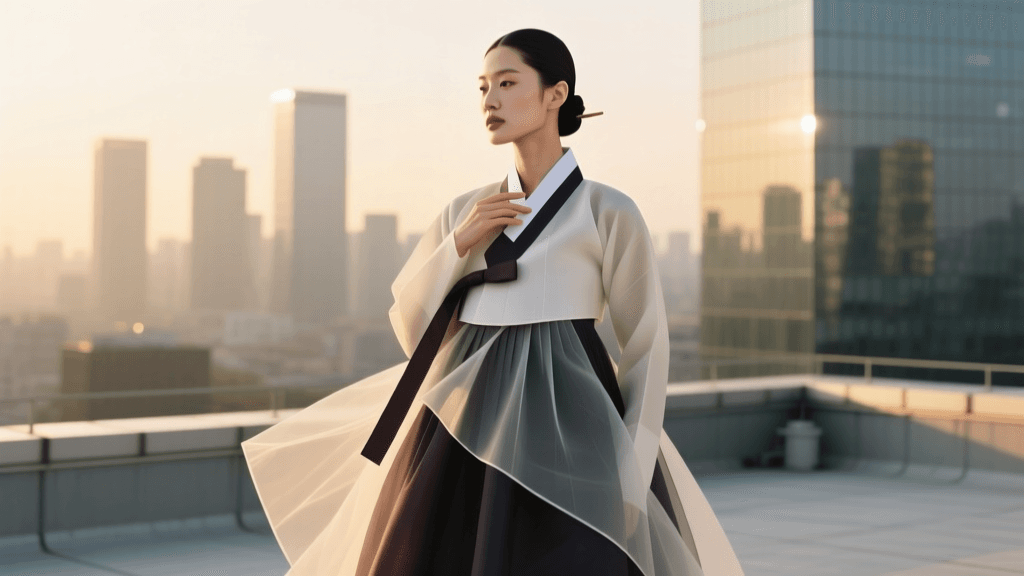
The Rise of the Neo-Hanbok in 2026 Fashion Editorials
In 2026, the global fashion media landscape has fully embraced the structural elegance of traditional Asian garments, moving far beyond mere costume replication. Leading publications like Vogue, Harper's Bazaar, and Elle are now regularly featuring the 'neo-hanbok' in their high-fashion editorials. This movement represents a sophisticated fusion of historical Korean dress and contemporary avant-garde tailoring. Fashion editors and stylists are no longer treating the hanbok as a static cultural artifact; instead, they are deconstructing its core elements—the jeogori (jacket), chima (skirt), and goreum (ribbons)—to create striking, modern silhouettes that command the page.
The transition from pop-culture stage wear to high-fashion editorial dominance has been driven by a new generation of designers who understand both the historical weight of the garment and the demands of modern luxury fashion. By utilizing innovative 2026 textiles like bio-silk organza, recycled myeongju (traditional silk), and structured neoprene blends, the neo-hanbok has secured its place on the global runway and in the pages of top-tier fashion magazines.
Deconstructing the 2026 Editorial Silhouettes
To successfully style traditional garments for a 2026 fashion editorial, stylists must understand how to manipulate the garment's inherent volume and lines. The traditional hanbok is characterized by its fluid, unstructured upper body and expansive lower volume. Modern editorial styling subverts these rules to create tension and visual interest.
The Asymmetrical and Cropped Jeogori
In 2026 editorials, the jeogori is frequently cropped to exactly 14 to 16 inches from the nape, sitting high above the natural waist. Stylists are pairing these ultra-cropped jackets with wide-leg, low-rise tailored trousers or bias-cut silk slip dresses. The asymmetrical closure, traditionally secured with a single goreum, is now often exaggerated with oversized, architectural ribbon knots that serve as the focal point of the upper body. For editorial lighting, hard directional flash is recommended to cast dramatic shadows across the stiffened collar and the sculptural knot.
The Sculptural and Tiered Chima
The chima has evolved from a simple, high-waisted wrap skirt into a complex, multi-tiered sculptural piece. Top fashion houses are utilizing 3D-pattern drafting to create chima skirts that hold their bell-shape without the need for traditional petticoats. In recent 2026 editorial spreads, we have seen the chima styled open at the front to reveal structured corsetry or tailored baji (trousers) underneath, creating a striking contrast between modest historical layering and modern sartorial boldness.
Reimagined Goreum and Norigae Accessories
The goreum (the long ribbon used to tie the jacket) and norigae (decorative pendants) are being reimagined as high-fashion harness details and statement jewelry. Instead of delicate silk threads, 2026 stylists are utilizing thick leather cording, metallic chains, and even 3D-printed biodegradable resins to craft oversized norigae that hang dramatically from the waist or shoulder, anchoring the ethereal fabrics of the garment.
Editorial Styling Matrix: Traditional vs. 2026 Neo-Hanbok
For fashion directors and editorial stylists planning a 2026 shoot, understanding the precise deviations from traditional specifications is crucial. The following matrix outlines how to adapt historical elements for a contemporary, high-fashion aesthetic while maintaining cultural respect.
| Garment Element | Traditional Specification | 2026 Editorial Adaptation |
|---|---|---|
| Jeogori (Jacket) | Loose fit, covers the waist, soft silk or ramie. | Cropped to 14 inches, structured shoulders, crafted from neoprene or bio-silk organza. |
| Chima (Skirt) | High-waisted, full volume, floor-length, opaque. | Asymmetrical hemlines, sheer tiered layering, styled open over tailored trousers. |
| Goreum (Ribbons) | Long, flat silk ribbons tied in a specific single-loop knot. | Oversized, architectural knots; materials include leather, velvet, or metallic hardware. |
| Dongjeong (Collar) | Removable, crisp white paper or fabric collar. | Integrated white leather or stiffened cotton piping, emphasizing sharp geometric lines. |
| Footwear | Traditional kkotsin (silk shoes) or hwa (boots). | Chunky platform boots, minimalist leather mules, or architectural heels. |
Sourcing Authentic and Neo-Hanbok Pieces for 2026 Shoots
Sourcing the right pieces is critical for an editorial that balances high fashion with cultural authenticity. In 2026, several luxury and contemporary brands are leading the neo-hanbok market, offering pieces specifically tailored for editorial and runway use.
- Danha: Known for romantic, highly textured interpretations of the chima. Expect to pay between $800 and $2,500 for editorial-grade skirts and jackets. Their use of upcycled vintage textiles makes them a favorite for sustainable fashion editorials.
- Leesle: Offers more accessible, ready-to-wear neo-hanbok pieces perfect for dynamic, movement-heavy editorial shoots. Prices range from $250 to $600. Their machine-washable, wrinkle-resistant fabrics are ideal for on-location shoots.
- Tchai Kim: The pioneer of the modern hanbok movement. Tchai Kim's archive pieces are highly sought after for high-concept, avant-garde editorials. Custom editorial commissions start at $3,000 and require a 12-week lead time.
- Kimseonok: Specializes in structural, minimalist jeogori that blur the line between traditional Korean dress and Western tailoring. Ideal for sleek, monochromatic editorial spreads.
Pro-Tip for Stylists: When pulling pieces for a 2026 editorial, always request the garment's specific 'wrapping guide' from the atelier. The left-over-right wrapping of the jeogori is a strict cultural rule; reversing it is associated with dressing the deceased and will immediately invalidate the editorial's cultural credibility.
Navigating Cultural Appreciation in Global Media
As the neo-hanbok becomes a staple in global fashion media, the line between appreciation and appropriation requires careful navigation. The Victoria and Albert Museum's landmark Hallyu exhibition extensively documented how Korean cultural exports have reshaped global aesthetics, emphasizing that true appreciation requires an understanding of the garment's historical and social context.
Fashion editors must ensure that the styling does not reduce the hanbok to a mere exotic prop. This means avoiding the mixing of unrelated cultural signifiers—such as pairing a Korean jeogori with Japanese geta or Chinese hair ornaments. Furthermore, the dongjeong (the white collar) must be kept pristine and properly aligned, as it historically signified the wearer's moral integrity and social standing.
According to the Metropolitan Museum of Art's Heilbrunn Timeline of Art History, the fundamental philosophy of traditional Korean dress is rooted in harmony with nature and the subtle expression of inner virtue through outward modesty. While 2026 editorials often subvert this modesty for dramatic effect, the underlying respect for the garment's construction and symbolic elements must remain intact. Stylists should consult with cultural historians or the designers themselves to ensure that avant-garde adaptations do not violate core cultural taboos.
Conclusion
The integration of the neo-hanbok into 2026 global fashion media is a testament to the enduring power and adaptability of Asian traditional garments. By respecting the historical foundations of the jeogori, chima, and goreum, while boldly experimenting with modern textiles and silhouettes, fashion editors are creating a new visual vocabulary. This approach not only elevates the garments on the global stage but also ensures that the rich cultural heritage of the hanbok continues to evolve, inspire, and captivate audiences worldwide in the contemporary fashion era.