Navigating The Hanfu Revival: A Practical Guide For Beginners
The Resurgence of Hanfu: More Than Just a Trend
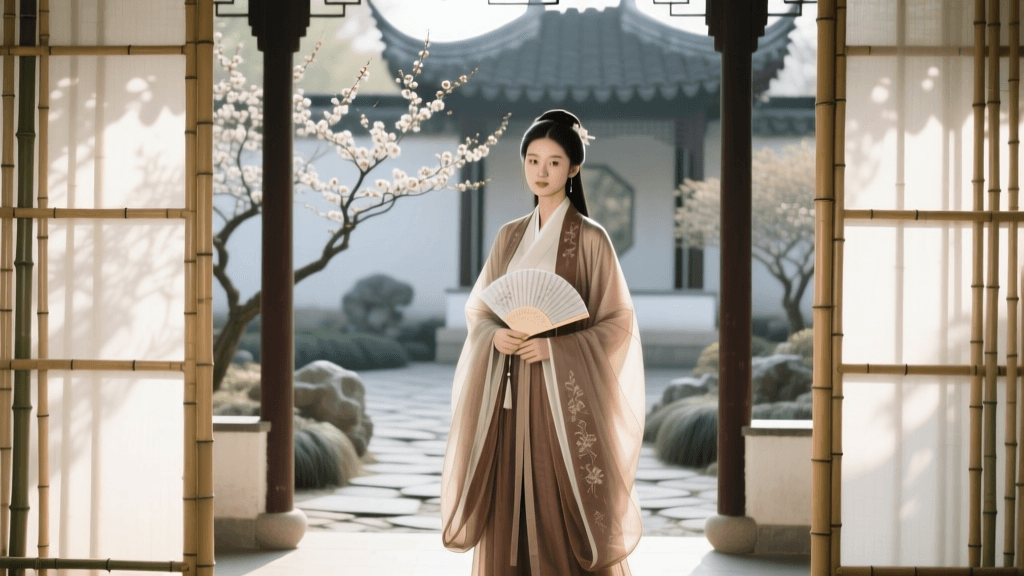
The Hanfu revival movement, known in Chinese as Hanfu Yundong, is not merely a fleeting fashion trend; it is a profound cultural reclamation. Originating in the early 2000s when pioneers began wearing traditional Han Chinese clothing in public spaces, the movement has exploded into a multi-billion-dollar industry. According to BBC News, millions of young Chinese people are driving this resurgence, seeking a tangible connection to their pre-Qing dynasty heritage. For beginners, navigating the vast landscape of historical silhouettes, complex sizing, and specialized purchasing platforms can be overwhelming. This guide provides actionable, practical advice to help you authentically participate in the Hanfu revival.
Tang vs. Ming Dynasty: Choosing Your First Silhouette
While Hanfu encompasses thousands of years of history, the modern revival heavily favors two distinct eras: the Tang Dynasty (618–907 AD) and the Ming Dynasty (1368–1644 AD). Understanding the differences is crucial for your first purchase.
| Feature | Tang Dynasty Hanfu | Ming Dynasty Hanfu |
|---|---|---|
| Silhouette | Flowing, high-waisted, voluminous sleeves. Often features the Qixiong Ruqun (chest-high skirt). | Structured, elegant, layered. Features the Aoqun (jacket and skirt) and standing collars. |
| Key Garment | Banbi (half-sleeve vest) and Daxiushan (large-sleeve robe). | Mamianqun (horse-face skirt) and Pifeng (outer cape). |
| Fabric & Vibe | Lightweight silks, sheer gauzes, vibrant colors, romantic and cosmopolitan. | Heavy brocades, woven gold, subdued or jewel tones, dignified and formal. |
| Best For | Summer wear, photography, festivals, and warm climates. | Autumn/Winter wear, formal events, office-appropriate styling, and daily wear. |
For absolute beginners, the Ming Dynasty Mamianqun is widely considered the ultimate gateway garment. Its flat front and back panels with pleated sides resemble modern A-line midi skirts, making it incredibly versatile for contemporary wardrobes.
The Golden Rule: Jiaoling Youren
Before purchasing or styling any cross-collar Hanfu, you must understand the most critical rule of traditional Chinese dress: Jiaoling Youren (交领右衽). This dictates that the left side of the collar must always cross over the right side, hiding the right lapel underneath. As noted by historians and exhibitions at The Metropolitan Museum of Art, this right-over-left orientation is deeply tied to Han cultural identity and Confucian philosophy. Wrapping the collar the opposite way (left-over-right) is traditionally reserved for dressing the deceased or was historically used to denote non-Han ethnic groups. Always double-check your mirror before stepping out!
The Art of Measurement: Sizing Without Standardization
Unlike Western fast fashion, authentic Hanfu brands rarely use standard S/M/L sizing based on Western body molds. Traditional Chinese garments are flat-pattern cut, meaning the fabric is cut in straight lines and relies on draping and tying rather than darts and tailored seams. To buy Hanfu, you must know your specific measurements in centimeters:
- Xiongwei (Bust/Chest): Measure around the fullest part of your chest. Because Hanfu jackets overlap and tie, you generally need to add 10-15 cm to your actual bust measurement to ensure the cross-collar closes comfortably without gaping.
- Yaowei (Waist): Measure your natural waist or where you intend to tie the skirt. Skirts are usually adjustable via long tie ribbons, but knowing your waist helps determine if you need a standard or extended size.
- Tongxiu (Sleeve Length): This is uniquely measured from the center-back of the neck, across the shoulder, and down to the wrist. Ming dynasty jackets often feature Pipa (lute-shaped) sleeves that require precise arm-length measurements to ensure the fabric gathers elegantly at the wrist.
- Qunchang (Skirt Length): Measure from your waist down to your ankle bone. Most brands offer skirts in standard lengths (e.g., 100cm, 105cm, 110cm). A skirt that drags on the floor will ruin the pleats and gather dirt, while one that is too short breaks the historical silhouette.
Sourcing Authentic Garments: Platforms, Costs, and Timelines
The epicenter of the Hanfu market is Taobao, China's largest e-commerce platform. While international buyers can use proxy shopping agents (like Superbuy or CSSBuy) to navigate the site, it is vital to understand the market tiers and the unique "pre-order" culture. The South China Morning Post highlights how domestic brands have revolutionized traditional textile manufacturing to meet the booming demand, but this often comes with unique purchasing timelines.
Cost Breakdown by Tier
- Entry-Level (150 - 350 RMB / $20 - $50 USD): Brands like Shisanyu or Tingyue. Ideal for daily wear and beginners. Fabrics are usually polyester blends or basic cotton. Embroidery is machine-made but visually appealing.
- Mid-Tier (400 - 800 RMB / $55 - $110 USD): Brands like Lanzhuo or Youshu. Offers historically accurate patterning, real silk blends, and intricate multi-thread machine embroidery. The drape and weight of the fabric feel significantly more luxurious.
- Luxury & Investment (1,500 - 5,000+ RMB / $200 - $700+ USD): Brands like Ming Huatang. These are museum-grade investments. They utilize traditional Zhuanghua (woven gold) techniques on specialized jacquard looms, replicating extant Ming dynasty artifacts with staggering accuracy.
Understanding the "Yushou" (Pre-Order) System
Be prepared for the Yushou system. To avoid overproduction and fabric waste, most reputable Hanfu brands operate on a pre-order model. A brand will release digital design drafts and fabric swatches. Buyers pay a deposit (usually 10-20% of the total cost), and the brand manufactures exactly what was ordered. Timeline warning: Delivery typically takes between 30 to 90 days. If you need a garment for a specific event or convention, you must plan your purchases months in advance or hunt for "Xianhuo" (in-stock现货) items, which are often limited in color and size options.
Modern Styling: Integrating Hanfu into Everyday Wardrobes
The true success of the Hanfu revival lies in its integration into daily life. You do not need to wear a full, elaborate historical ensemble to participate in the movement. "Hanfu everyday" styling is a massive subculture focused on practicality.
The Mamianqun Hack: Pair a traditional Ming dynasty horse-face skirt with a modern, fitted turtleneck sweater or a crisp button-down blouse. Tuck the top into the skirt's waistband and secure it with the traditional ties. The structured pleats of the skirt provide a sophisticated, avant-garde silhouette that fits perfectly into a modern office or cafe environment.
Footwear and Accessories: While traditional embroidered cloth shoes (Buxie) are beautiful, they lack arch support for modern city walking. Most enthusiasts pair their Hanfu with modern leather loafers, Chelsea boots, or clean minimalist sneakers. For hair, a simple wooden or jade hair stick (Zanzi) used to twist up a modern claw-clip hairstyle bridges the gap between ancient elegance and modern convenience.
Final Thoughts on Cultural Respect
Joining the Hanfu revival is a rewarding journey into textile history, craftsmanship, and cultural philosophy. By understanding the geometry of the flat-pattern cut, respecting the Jiaoling Youren collar rule, and supporting original designers over counterfeit workshops, you contribute to the sustainable growth of this beautiful tradition. Whether you are draping yourself in the sheer, romantic silks of the Tang dynasty or the dignified, woven brocades of the Ming, you are wearing a living, breathing piece of Asian history.