Ribbon Skirt Sewing Guide 2026: Fabrics, Patterns & Cultural Roots
The Resurgence and Meaning of the Ribbon Skirt
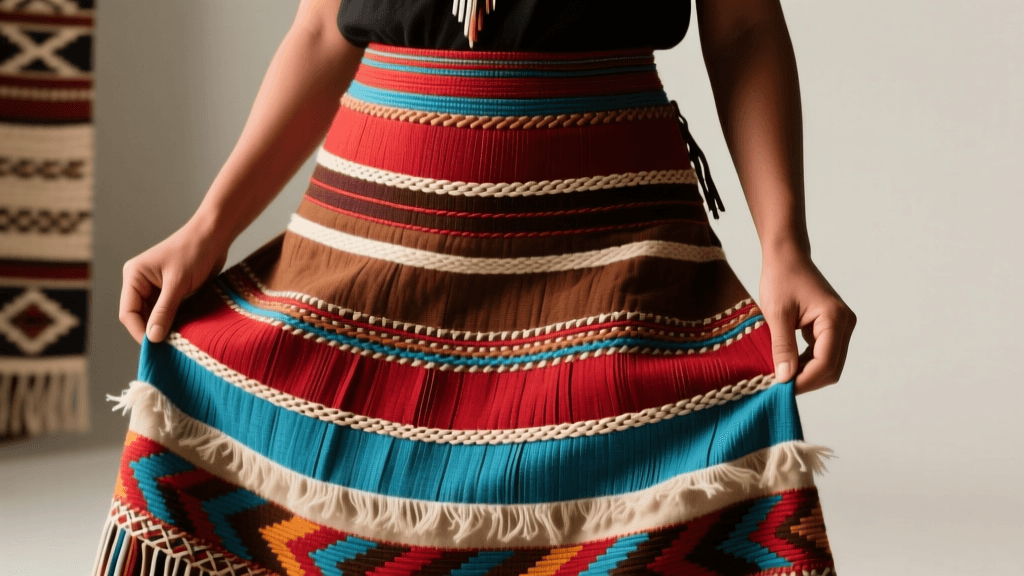
The Native American ribbon skirt is far more than a beautiful garment; it is a profound expression of Indigenous identity, resilience, and cultural continuity. In 2026, the ribbon skirt has experienced a monumental resurgence, moving seamlessly from the powwow grounds to university campuses, corporate offices, and the halls of government. While historically rooted in the Great Lakes and Plains regions, the skirt is now worn by Indigenous peoples across the Americas as a unifying symbol of matriarchy, Two-Spirit pride, and survival.
Historically, the garment evolved from the integration of European trade goods—specifically wool broadcloth and silk ribbons—into Indigenous textile traditions. However, the design, colorways, and spiritual significance were entirely Indigenized. Today, contemporary makers honor this history while pushing the boundaries of modern fashion and political expression. According to the Smithsonian National Museum of the American Indian, the adaptation of trade materials into ceremonial and everyday regalia represents a hallmark of Native American artistic innovation and resilience against assimilation policies.
Protocols and Teachings: Wearing the Skirt with Respect
Before cutting a single yard of fabric, it is essential to understand the protocols surrounding the ribbon skirt. In many Indigenous cultures, the skirt is considered sacred medicine. The hem of the skirt is designed to brush against the earth, allowing the Creator and the land to recognize the wearer's presence and prayers. When a woman or Two-Spirit individual wears a ribbon skirt, they are often carrying the prayers of their community, their ancestors, and their future generations.
There are specific teachings regarding the creation and wearing of the skirt. For instance, many elders teach that ribbons should not be cut but rather torn or folded, preserving the continuous flow of energy. Furthermore, the colors chosen are rarely random. In 2026, the integration of specific colorways to honor Missing and Murdered Indigenous Peoples (MMIP) remains a powerful and prevalent practice. The National Indigenous Women's Resource Center notes that wearing red, black, and white ribbon skirts has become a vital visual protest and a deeply spiritual way to honor those who have been lost, transforming the garment into a walking memorial and a demand for justice.
Sourcing Materials: Native-Owned and Sustainable Fabrics
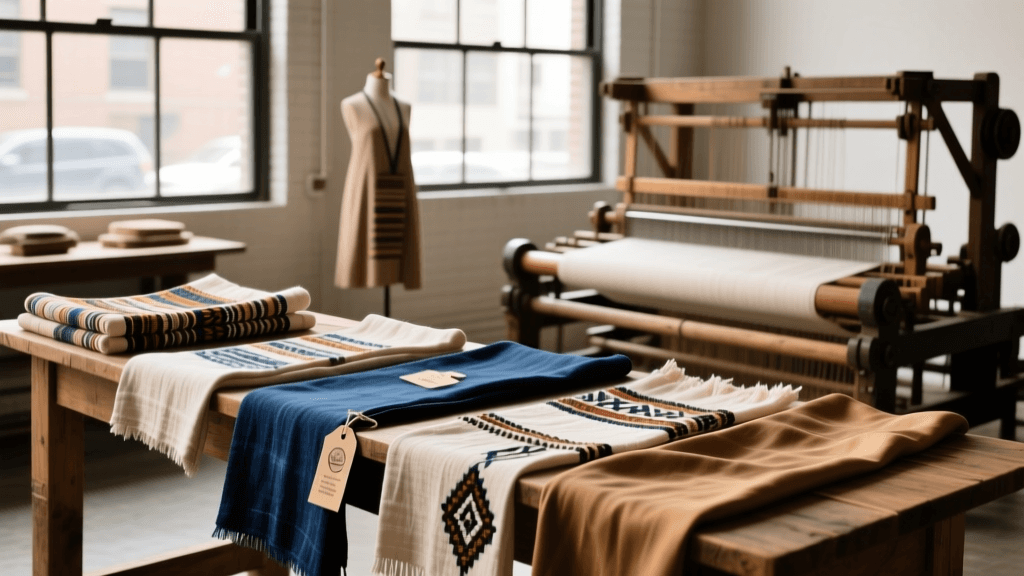
The foundation of a high-quality ribbon skirt lies in the materials. In 2026, there is a strong movement toward sourcing textiles from Native-owned businesses, Indigenous agricultural cooperatives, and sustainable manufacturers. While traditional cotton-polyester broadcloth remains a staple due to its durability and vibrant dye retention, many makers are now incorporating organic cottons and Indigenous-grown hemp blends.
When selecting ribbons, double-faced satin is the gold standard. Unlike single-faced satin, double-faced ribbons have a finished edge on both sides, eliminating the need to fold under raw edges and preventing fraying over years of wear and washing. For the waistband, modern makers often opt for heavy-duty elastic encased in the broadcloth, though fitted waistbands with invisible zippers are gaining popularity for formal and competition regalia.
Essential Materials Checklist for 2026
- Base Fabric: 45-inch or 60-inch wide broadcloth, calico, or sustainable hemp-cotton blend.
- Ribbons: 3/8-inch or 5/8-inch double-faced satin ribbon (minimum 4 to 6 yards per tier).
- Waistband: 1.5-inch heavy-duty braided elastic or matching broadcloth for a fitted band.
- Thread: High-tensile polyester thread matched to the base fabric or ribbons.
- Notions: Fabric chalk, heavy-duty sewing pins, and a steam iron.
2026 Measurement and Yardage Chart
Proper measurement is crucial for ensuring the skirt falls correctly and respects the traditional protocol of touching or grazing the earth. The length is typically measured from the natural waist down to the desired hemline (calf, ankle, or floor). Below is a standard yardage chart for a gathered skirt using 45-inch wide fabric.
| Skirt Length | Waist Size | Broadcloth Yardage (45" width) | Ribbon Yardage (per tier) |
|---|---|---|---|
| Calf-Length (30") | 24" - 32" | 2.5 yards | 3.5 yards |
| Ankle-Length (36") | 33" - 42" | 3.0 yards | 4.5 yards |
| Floor-Length (40") | 43" - 52" | 3.5 yards | 5.5 yards |
Note: Always add 2 inches to your length measurement for the hem allowance and 1 inch for the waistband casing.
Step-by-Step Construction Guide
Step 1: Cutting and Preparing the Base
Measure your natural waist and the desired length. Cut two large rectangular panels from your broadcloth. The width of each panel should be 1.5 to 2 times your waist measurement to allow for a full, flowing gather. Sew the two panels together along the side seams using a 1/2-inch seam allowance, leaving an opening at the top for the elastic casing if you are using an elastic waistband. Press all seams open with a steam iron.
Step 2: Planning the Ribbon Tiers
The placement of the ribbons is entirely up to the maker, but a common design features three to five horizontal tiers. The bottom tier is usually placed 2 to 3 inches above the hemline. Use fabric chalk to draw straight, horizontal guidelines across the entire circumference of the skirt. Ensure your lines are perfectly parallel to the hem by measuring up from the bottom edge at regular intervals.
Step 3: Pinning and Stitching the Ribbons
Starting from the bottom tier, pin your double-faced satin ribbon along the chalk line. Overlap the ends of the ribbon by 1/2 inch at the side seam. Using a straight stitch, sew along the top edge of the ribbon, and then again along the bottom edge. For a more decorative approach, some makers use a zigzag stitch with contrasting thread. Repeat this process for each tier, working your way up the skirt.
Step 4: Creating the Waistband
If using an elastic casing, fold the top edge of the skirt down by 1/4 inch and press, then fold it down again by 1.75 inches to accommodate a 1.5-inch elastic band. Stitch around the edge, leaving a 2-inch gap. Thread the elastic through the casing using a safety pin, overlap the elastic ends, and sew them securely together. Close the gap in the casing. If creating a fitted waistband, interface a separate strip of broadcloth, attach it to the skirt body, and insert an invisible zipper.
Step 5: Hemming and Final Blessing
Hem the bottom of the skirt with a 1-inch double-fold hem. Once the physical construction is complete, many makers partake in a smudging ceremony or offer a prayer, blessing the skirt and the person who will wear it. This final step transforms the textile from a mere sewn object into a piece of living regalia.
Modern Adaptations: Beadwork, Appliqué, and Awareness
As we navigate 2026, the evolution of the ribbon skirt continues to reflect the dynamic nature of Indigenous cultures. Contemporary makers are increasingly incorporating floral beadwork appliqué, laser-cut leather accents, and even smart-textiles like subtle LED threading for evening powwow exhibitions. Furthermore, the influence of Indigenous fashion weeks and digital media has popularized the pairing of ribbon skirts with modern streetwear, denim jackets, and traditional moccasins, breaking down the binary between "ceremonial" and "everyday" wear.
According to recent coverage by ICT News, the modern ribbon skirt movement is heavily driven by Indigenous youth who are using the garment to reclaim their space in educational and political institutions. By understanding the deep historical roots, respecting the protocols, and mastering the construction techniques outlined in this guide, makers can contribute to the ongoing legacy of the ribbon skirt, ensuring it remains a powerful, beautiful, and protective garment for generations to come.