Ojibwe Jingle & Lakota Ribbon Shirts: 2026 Regalia Guide
Introduction to Contemporary Powwow Regalia in 2026
As the 2026 powwow season sweeps across North America, the vibrant landscapes of Indigenous dress traditions continue to evolve while maintaining deep, sacred roots. From the Great Lakes to the Northern Plains, traditional garments are far more than mere clothing; they are living expressions of identity, spirituality, and resilience. For both seasoned dancers and those newly exploring their heritage, understanding the regional distinctions, material requirements, and ethical sourcing of regalia is paramount.
In this comprehensive 2026 guide, we focus on two of the most iconic and culturally significant garments in North American Indigenous dress: the Ojibwe (Anishinaabe) Jingle Dress and the Lakota/Dakota Ribbon Shirt. Whether you are preparing for the upcoming summer powwow circuit or seeking to understand the profound textile arts of these regions, this guide provides actionable advice on materials, construction, and ethical purchasing.
The Ojibwe Jingle Dress: Origins, Meaning, and Materials
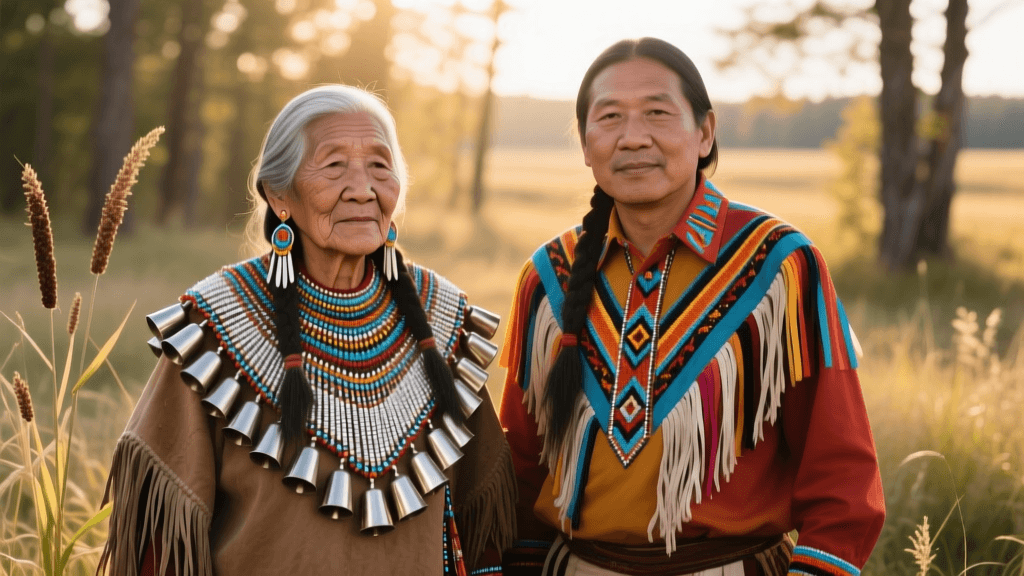
The Jingle Dress, known in the Ojibwe language as Ziibaaska'iganaganiwag, originated among the Mille Lacs Band of Ojibwe in the early 20th century. It is fundamentally a healing dance. The rhythmic, rain-like sound of the metal cones (jingles) striking one another during the dance is believed to carry prayers to the Creator and promote physical and spiritual wellness. Today, the Jingle Dress dance is a staple at powwows across the continent, though its heart remains in the Great Lakes region.
Sourcing Metal Jingles (Cones) in 2026
The defining feature of the regalia is the jingles themselves. Historically, these were crafted from rolled snuff can lids. In 2026, while some traditionalists still commission hand-rolled tin cones, the vast majority of dancers utilize machine-stamped metal cones for durability and acoustic consistency. When sourcing jingles for a standard adult dress, you will need between 400 and 800 cones, depending on the dress design and the dancer's height.
Below is a comparison of the primary materials available from Indigenous and specialized traders this year:
| Material | Sound Profile | 2026 Avg. Cost (per 100) | Durability & Maintenance |
|---|---|---|---|
| Stainless Steel | Bright, sharp, high resonance | $45 - $60 | Excellent (Rust-proof, low maintenance) |
| Brass | Warm, mellow, deep tone | $70 - $95 | Good (Requires occasional polishing to prevent tarnish) |
| Traditional Rolled Tin | Soft, rhythmic, historical | $120+ (Artisan made) | Fair (Prone to oxidation, requires careful storage) |
2026 Sourcing Tip: Due to recent shifts in global supply chains, imported steel jingles have seen a 12% price increase this year. We highly recommend purchasing from Native-owned cooperatives or specialized traders like Crazy Crow Trading Post, which source directly from Indigenous metalworkers, ensuring your money supports the community while securing high-quality, rust-resistant stainless steel.
Fabric Choices for the Jingle Dress
The base fabric of a Jingle Dress must be heavy enough to support the weight of hundreds of metal cones without tearing, yet breathable enough for the intense physical exertion of a powwow. In 2026, the gold standard remains heavyweight cotton broadcloth or a cotton-polyester blend (typically 60/40). Pure synthetic fabrics are generally avoided as they do not breathe well in the peak summer heat of July and August powwows. Look for fabrics with a tight weave and a weight of at least 6 to 8 ounces per square yard.
Lakota and Plains Ribbon Shirts: Regional Distinctions
While the Jingle Dress is deeply tied to the Great Lakes, the Ribbon Shirt is a hallmark of Plains Indian regalia, particularly among the Lakota, Dakota, and Nakota (Oceti Sakowin) peoples, as well as the Osage and Ponca, who pioneered the ribbon appliqué technique. Ribbon shirts are worn by men, women, and Two-Spirit individuals, serving as elegant, formal regalia for powwows, ceremonies, and graduations.
The Anatomy of the Appliqué Stitch
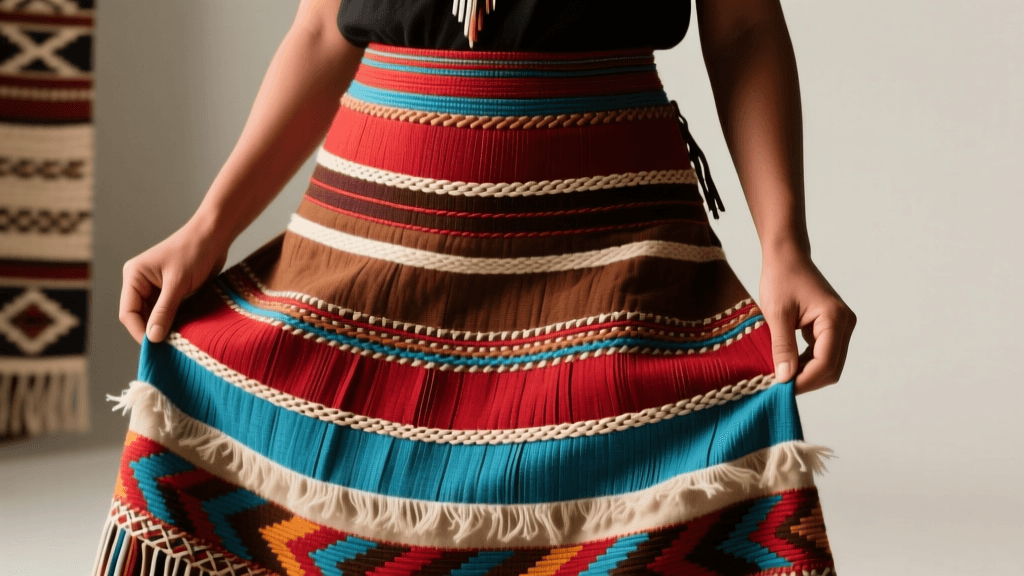
The creation of a ribbon shirt is a masterclass in textile geometry. Artisans use a reverse-appliqué technique, where layers of brightly colored satin or grosgrain ribbons are folded, cut, and sewn onto a base fabric to create striking, symmetrical geometric patterns. In 2026, the most sought-after ribbon shirts feature complex, multi-layered 'V' patterns on the yoke and cascading ribbon fringes down the arms and back.
When selecting ribbons for your 2026 projects, avoid cheap, single-faced craft ribbons found in big-box stores. These fray easily and lack the structural integrity required for dance regalia. Instead, source double-faced satin ribbons or high-quality grosgrain from dedicated Indigenous textile suppliers. A standard adult ribbon shirt requires approximately 40 to 60 yards of 1-inch and 2-inch wide ribbon.
Base Fabrics: Broadcloth vs. Modern Blends
Traditional Plains ribbon shirts were made from trade wool or heavy cotton broadcloth. While navy, black, and red wool broadcloth remain incredibly popular for formal, cooler-weather events, the 2026 summer powwow season has seen a massive surge in the use of high-thread-count, breathable cotton sateens. These fabrics offer the rich, matte backdrop necessary to make the vibrant satin ribbons pop, while keeping the dancer cool during the Grand Entry.
Ethical Sourcing and Supporting Indigenous Artisans
As interest in Indigenous fashion and regalia grows, so does the market for mass-produced, inauthentic imitations. It is crucial for buyers and makers to prioritize ethical sourcing. According to the Indian Arts and Crafts Board, the Indian Arts and Crafts Act is a truth-in-advertising law that prohibits misrepresentation in the marketing of Indian arts and crafts products within the United States. It is illegal to offer or sell any art or craft product in a manner that falsely suggests it is Indian-produced.
When purchasing finished regalia, ribbons, or jingles, always verify the Native heritage of the artisan or the business. The National Museum of the American Indian frequently highlights the importance of supporting Indigenous makers, noting that purchasing directly from Native artists sustains traditional economies and ensures the cultural continuity of sacred garment-making practices.
Recommended 2026 Vendor Categories
- Native-Owned Online Cooperatives: Platforms that aggregate works from verified Indigenous seamstresses and metalworkers. These are ideal for custom-fitted ribbon shirts and hand-rolled traditional jingles.
- Powwow Alley Vendors: Purchasing directly from artisans at major 2026 gatherings like the Gathering of Nations or the Crow Fair ensures you can feel the fabric weight, hear the jingle resonance, and build a relationship with the maker.
- Specialized Heritage Traders: Established businesses that have operated on or near reservations for decades, providing authentic trade blankets, broadcloth, and bulk ribbons specifically cut for regalia use.
Care, Maintenance, and Storage of Sacred Garments
Regalia is not merely clothing; it is often blessed, prayed over, and imbued with personal and communal medicine. Proper care is a sign of respect for the garments and the traditions they represent.
Storing Jingle Dresses
The metal cones on a Jingle Dress can easily snag on one another or on other garments. Never store a Jingle Dress on a standard wire hanger, as the weight of the cones will distort the shoulders and stress the seams. Instead, lay the dress flat in a breathable cotton storage bag. Include natural cedar blocks or rings in the bag to repel moths and keep the fabric smelling fresh. Avoid plastic garment bags, which can trap moisture and cause the metal jingles to oxidize or the fabric to mildew.
Maintaining Ribbon Shirts
Ribbon shirts should be spot-cleaned whenever possible. The satin ribbons can lose their luster or bleed color if subjected to harsh agitation in a washing machine. If a full clean is necessary, hand-wash the shirt in cold water with a mild, pH-neutral detergent, and lay it flat to dry out of direct sunlight to prevent the vibrant ribbon colors from fading. When ironing, always use a low-heat setting and a pressing cloth to avoid melting the synthetic satin ribbons.
Conclusion
The Ojibwe Jingle Dress and the Lakota Ribbon Shirt stand as testaments to the enduring creativity and spiritual depth of Indigenous North American cultures. As we navigate the 2026 powwow season, the choices we make regarding materials, sourcing, and care reflect our respect for these profound traditions. By prioritizing high-quality, ethically sourced materials and supporting Native artisans, we ensure that the healing sounds of the jingles and the vibrant geometry of the ribbon shirts continue to honor the ancestors and inspire future generations on the dance arbor.