NYC & LA Garment District Sourcing Guide for 2026
The Evolution of American Fashion Hubs in 2026
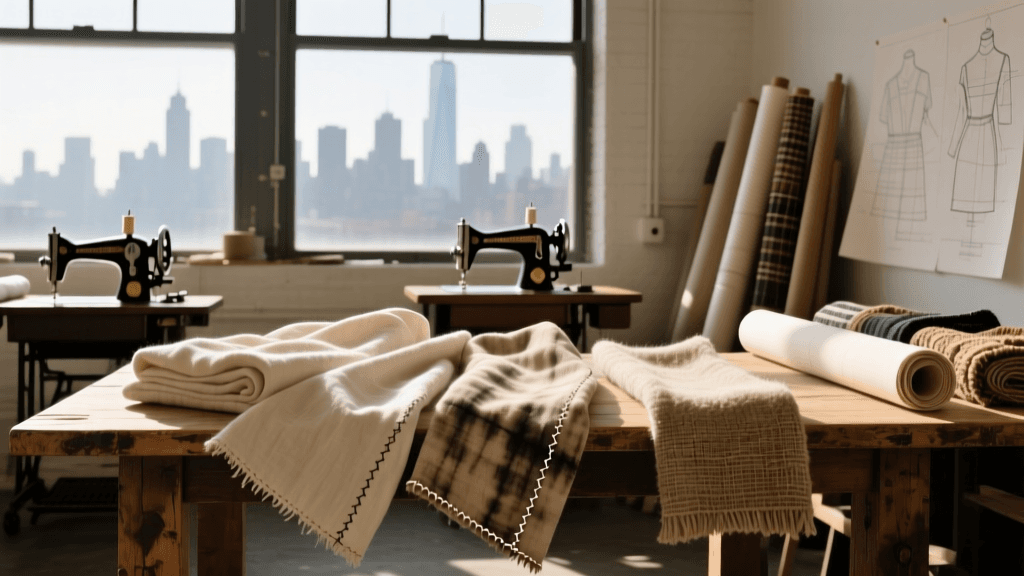
As the global fashion industry continues to pivot toward nearshoring, circularity, and transparent supply chains in 2026, the historic garment districts of New York City and Los Angeles have evolved into vital epicenters for sustainable and ethical sourcing. No longer just relics of 20th-century manufacturing, these districts are now bustling hubs where independent designers, heritage brands, and ethical fashion houses converge to source deadstock fabrics, innovative eco-textiles, and ethically produced artisanal garments. For designers focusing on the Americas and Indigenous textile traditions, understanding the nuances of these two distinct fashion capitals is essential for building a responsible and commercially viable supply chain.
The NYC Garment District: Heritage, Deadstock, and Haute Couture
Bounded roughly by 34th and 42nd Streets between Fifth and Ninth Avenues, the Manhattan Garment District remains the intellectual and historical heart of American fashion. In 2026, the district has seen a massive resurgence in small-batch manufacturing and sustainable sourcing, heavily supported by the Save the Garment Center initiative, which has successfully preserved crucial manufacturing zoning and subsidized studio spaces for emerging designers.
Top Sustainable and Artisanal Fabric Showrooms
When sourcing high-end textiles, particularly those that complement Indigenous-inspired luxury collections or require meticulous craftsmanship, NYC is unmatched. Buildings like 225 West 38th Street and 530 Seventh Avenue house dozens of multi-brand showrooms. For sustainable sourcing, designers are increasingly turning to deadstock and recycled fiber vendors. Stores like Mood Fabrics remain iconic for small-batch designers needing immediate yardage without exorbitant minimums, while high-end showrooms such as B&J Fabrics offer exquisite, traceable silks and wools. In 2026, many of these Midtown showrooms have integrated digital RFID tagging into their fabric rolls, allowing designers to scan a bolt and instantly view the textile’s complete lifecycle, water usage, and origin.
Navigating Minimums and Wholesale Requirements
Sourcing in NYC requires preparation. Most wholesale showrooms require a valid New York State Certificate of Authority (resale certificate) and a registered business entity. Minimum Order Quantities (MOQs) for sustainable and deadstock fabrics typically range from 50 to 300 yards. However, many vendors now offer "sample cut" programs, allowing designers to purchase 5 to 10 yards at a 20% premium to test patterns before committing to a full production run.
The LA Fashion District: Denim, Knits, and Vertical Manufacturing
Spanning over 100 blocks in downtown Los Angeles, the LA Fashion District is the undisputed capital of casual wear, denim, activewear, and cut-and-sew manufacturing. The epicenter of the textile trade is located along Maple Avenue and 9th Street, anchored by the California Market Center (CMC) and the Cooper Design Space. According to the LA Fashion District official trade resources, the area hosts over 1,000 wholesale showrooms and manufacturing facilities, making it a one-stop-shop for vertical production.
Sourcing Eco-Friendly Denim and Circular Knits
Los Angeles is globally renowned for its denim washing and finishing facilities. In 2026, the district has fully embraced waterless laser-finishing and ozone washing technologies, drastically reducing the environmental impact of denim production. For designers looking to incorporate sturdy, utilitarian textiles that mirror traditional workwear or Indigenous-influenced rugged apparel, Maple Avenue showrooms offer access to recycled cotton blends, hemp-denim hybrids, and organic selvedge. Additionally, the district's knitwear suppliers are pioneering circular knits made from regenerative agriculture cotton and post-consumer recycled polyester, perfect for contemporary streetwear and athleisure.
Collaborating with Local Cut-and-Sew Manufacturers
Unlike NYC, where manufacturing is often fragmented, LA offers highly integrated cut-and-sew packages. Many showrooms on 9th Street operate with in-house pattern makers, sample sewers, and production floors. For a designer launching a capsule collection in 2026, MOQs for cut-and-sew services in LA generally start at 300 pieces per style/color, though specialized sustainable micro-factories in the Arts District are now accepting runs as low as 100 pieces for a premium fee.
Ethical Sourcing and Indigenous Textile Collaborations
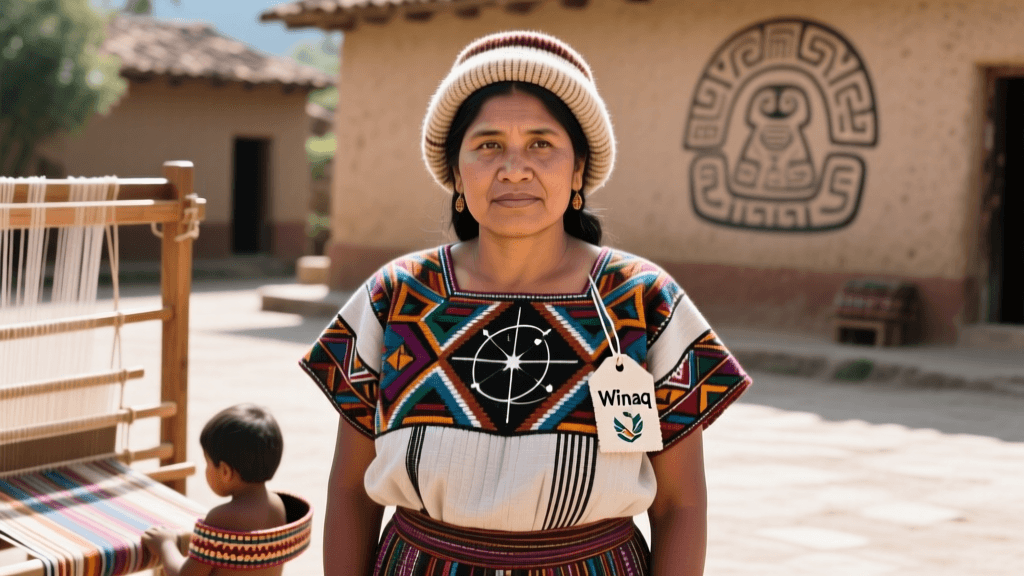
A critical aspect of sourcing in the Americas is navigating the intersection of commercial fashion and Indigenous textile traditions. Both the NYC and LA garment districts serve as major distribution hubs for authentic, ethically sourced textiles from Indigenous cooperatives across the Americas—from Zapotec backstrap-loomed cotton in Oaxaca to Mapuche wool weavers in Chile and Navajo-Churro wool artisans in the American Southwest.
Protecting Cultural Intellectual Property
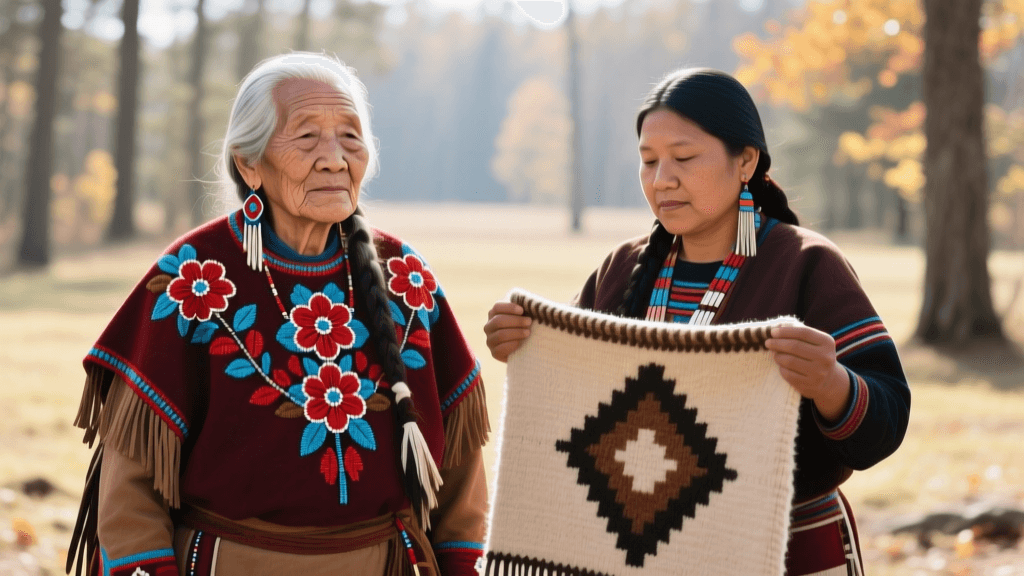
When sourcing "Indigenous-inspired" goods or partnering directly with Native artisans, ethical compliance is non-negotiable. The Council of Fashion Designers of America (CFDA) has reinforced strict guidelines in 2026 regarding cultural intellectual property, urging designers to move away from superficial appropriation and toward equitable profit-sharing partnerships. If you are purchasing textiles in the NYC or LA districts that claim to be Native American-made, you must ensure compliance with the Indian Arts and Crafts Act, which makes it illegal to offer or display for sale any art or craft product in a manner that falsely suggests it is Indian-produced. Always request certificates of authenticity and trace the supply chain back to the specific cooperative or artisan.
Building Equitable Partnerships
Many high-end showrooms in Manhattan now act as fair-trade brokers for Latin American and North American Indigenous weaving cooperatives. When sourcing these textiles, expect longer lead times (often 12 to 16 weeks) due to the handcrafted nature of the garments. Pricing is structured to ensure living wages for the artisans, meaning wholesale costs will be higher than mass-produced mill fabrics, but the narrative, quality, and ethical integrity provide immense value to luxury and conscious consumer markets.
Comparison Chart: NYC vs. LA Garment Districts (2026)
| Feature | NYC Garment District | LA Fashion District |
|---|---|---|
| Primary Specialties | Haute couture, silk, wool, deadstock, luxury tailoring | Denim, activewear, circular knits, streetwear, cut-and-sew |
| Fabric MOQs | 50 - 300 yards (ample deadstock options) | 300 - 1,000 yards (mill-direct focus) |
| Manufacturing MOQs | 150 - 500 pieces (specialized sample rooms) | 300 - 1,000 pieces (vertical package factories) |
| Best For | High-end luxury, bespoke, ethical artisanal collaborations | Scalable casual wear, denim, rapid trend-to-market |
| Navigation | Subway, walking (dense, vertical high-rises) | Car, rideshare (sprawling, horizontal warehouses) |
| Indigenous Textile Access | High-end fair-trade brokers, luxury cooperative showrooms | Direct importers of Latin American artisanal cottons |
Practical Actionable Tips for Your 2026 Sourcing Trip
- Timing is Everything: The best days to visit both districts are Tuesday through Thursday. Mondays are often reserved for showroom inventory and shipping, while Fridays see early closures. Arrive by 9:30 AM to beat the midday rush and secure time with sales representatives.
- Bring the Right Gear: In NYC, you will be navigating freight elevators and crowded sidewalks; bring a sturdy, collapsible rolling rack and a digital tablet to catalog fabric swatches. In LA, the sun is intense and distances are vast; rent a cargo van for the day to transport heavy denim and knit rolls between the CMC and Maple Avenue.
- Digital Swatch Libraries: Most major showrooms in 2026 no longer allow unlimited physical header borrowing. Download the proprietary showroom apps before your visit to build a digital mood board, and only request physical swatches for your top 10 finalist textiles.
- Freight and Logistics: Both districts are heavily congested. Pre-book a courier service or use the district's designated eco-friendly cargo-bike delivery networks (now heavily subsidized in NYC) to ship your sample yardage back to your studio rather than carrying it on public transit.
- Verify Certifications: When a vendor claims a fabric is GOTS-certified organic or fair-trade, ask to see the physical transaction certificate (TC) on the spot. Greenwashing remains a concern, and verifying documentation at the point of sale is a best practice for ethical designers.
Conclusion
Whether you are seeking the refined, luxury deadstock of Midtown Manhattan or the scalable, eco-friendly denim mills of Downtown Los Angeles, the American garment districts remain indispensable resources for the modern fashion designer. By approaching your 2026 sourcing trips with a commitment to sustainability, ethical Indigenous partnerships, and meticulous supply chain verification, you can build collections that honor the rich textile heritage of the Americas while pushing the industry toward a more responsible future.