Nanjing Yunjin Drawloom Weaving Guide 2026: Ancient Zhuanghua Art
The Enduring Legacy of Nanjing Yunjin in 2026
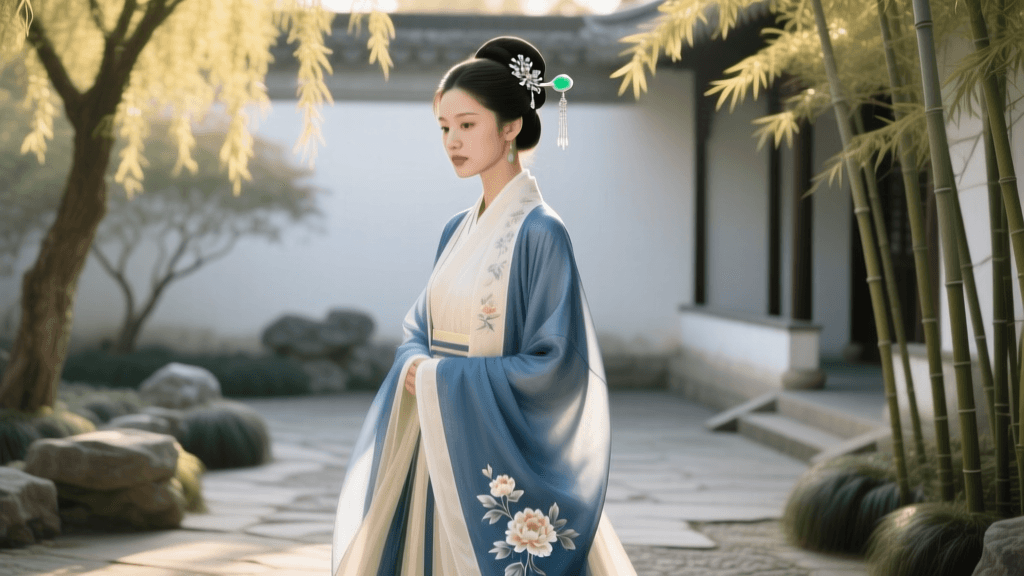
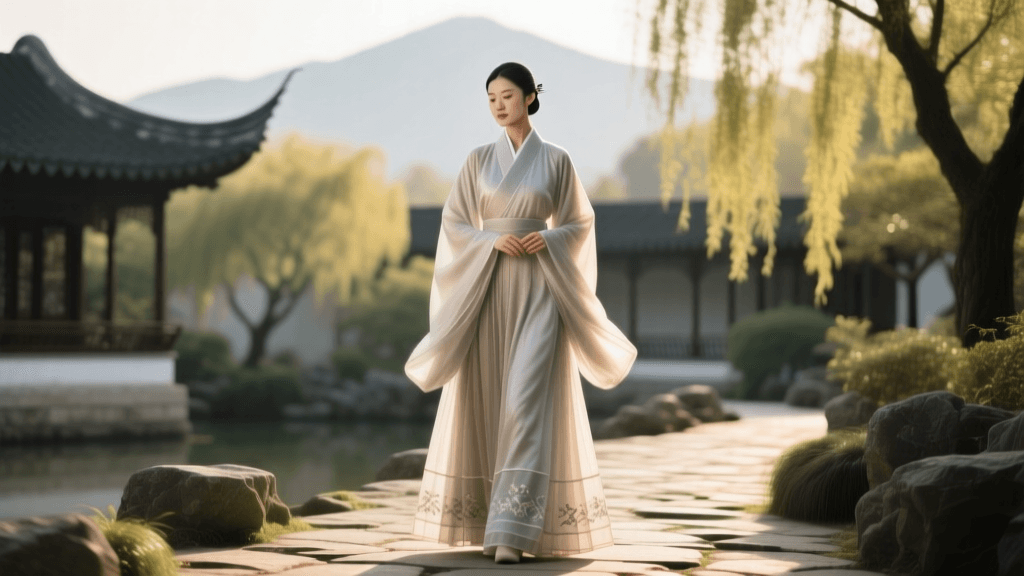
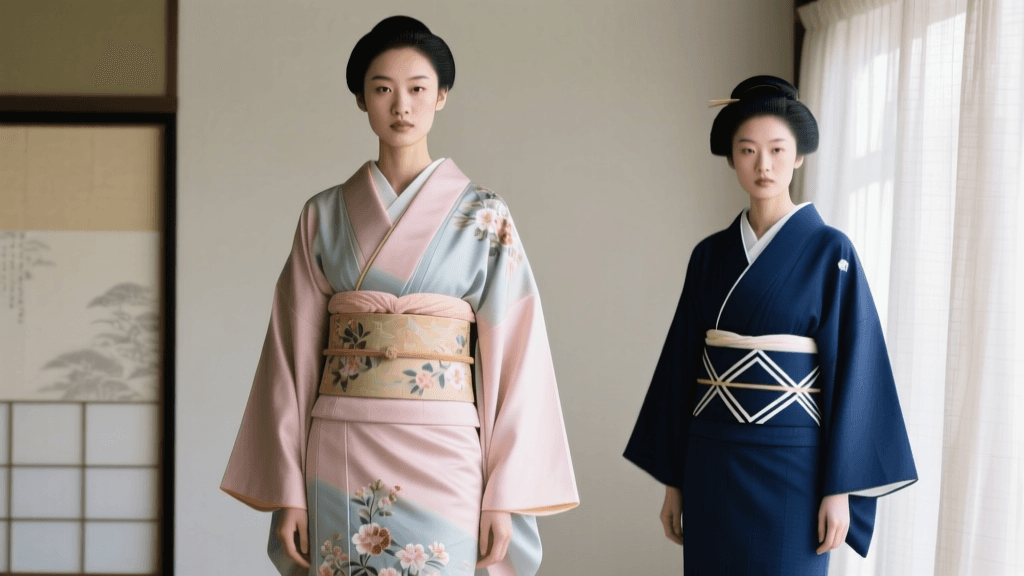
As we navigate the fashion and textile landscape of 2026, the Xin Zhongshi (new Chinese style) movement has firmly transitioned from a niche aesthetic into a dominant force in global luxury. At the very pinnacle of this movement sits Nanjing Yunjin, or 'Cloud Brocade.' Renowned for its breathtaking complexity and luxurious materials, Yunjin represents the zenith of Chinese traditional looms and ancient weaving techniques. In 2026, heritage workshops in Nanjing are experiencing an unprecedented renaissance, driven by a new generation of designers who are integrating these ancient textiles into contemporary haute couture and sustainable luxury markets.
Unlike mass-produced jacquard silks, authentic Yunjin is woven on massive, traditional wooden drawlooms using the highly specialized Zhuanghua technique. This method is so intricate that it has been likened to an ancient form of binary programming. According to the UNESCO Intangible Cultural Heritage registry, which inscribed the technique in 2009, the weaving process remains entirely irreplaceable by modern machinery. Today, in 2026, the preservation of this craft is not merely about museum conservation; it is about active, living production that supplies the world's most exclusive fashion houses and private collectors.
Anatomy of the Traditional Wooden Drawloom
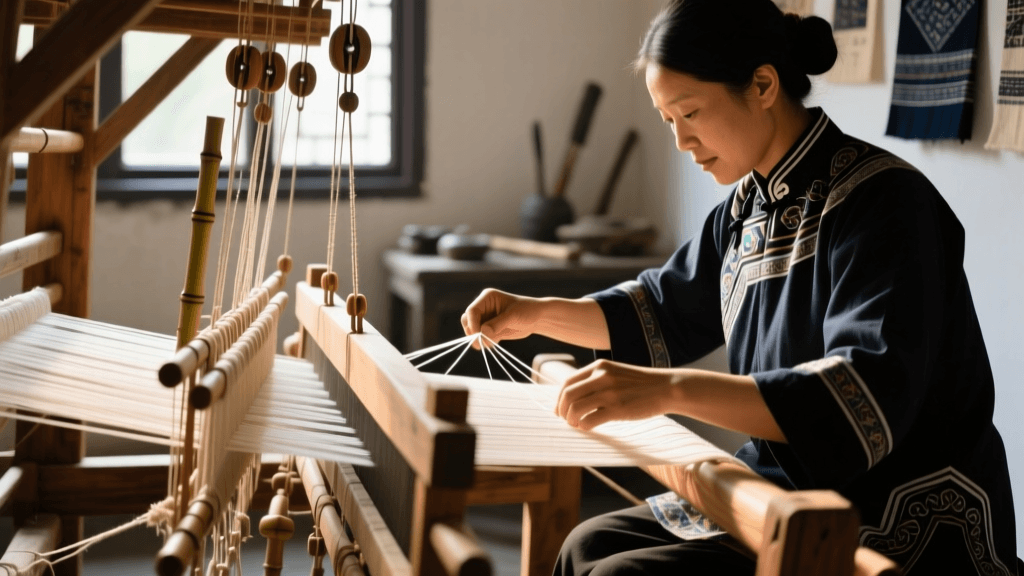
To understand the genius of ancient Chinese weaving, one must first examine the tool of the trade: the traditional wooden drawloom. These monumental structures are engineering marvels of the pre-industrial world. A standard Yunjin drawloom measures approximately 5.6 meters in length, 4 meters in height, and 1.4 meters in width. Constructed entirely from durable hardwoods without the use of metal nails, the loom relies on complex mortise and tenon joinery that has remained virtually unchanged for over a millennium.
The operation of this colossal machine requires the seamless coordination of two highly skilled artisans. The weaver, who sits at the lower level, manages the shuttles and the intricate placement of the colored wefts. Meanwhile, the 'puller' sits atop the 4-meter-high pattern tower, manually lifting the specific warp threads according to the programmed pattern sequence. This physical separation of labor is what allows for the creation of the brocade's complex, multi-colored motifs.
Drawloom Components and Functions
| Component | Location | Function in Zhuanghua Weaving |
|---|---|---|
| Pattern Tower (Hualou) | Top (4m high) | Seating area for the puller; houses the knotted pattern cords (Jie Ben). |
| Heddles (Zong) | Middle Frame | Separates warp threads to create the shed for the shuttle to pass through. |
| Pattern Cords (Jie Ben) | Upper Rigging | The 'binary code' of the loom; knotted strings that dictate the pattern lift sequence. |
| Shuttles (Suo) | Lower Weaving Area | Carries the discontinuous weft threads (silk, gold, peacock feather) through the warp. |
| Warp Beam | Back of Loom | Holds the continuous silk warp threads under precise, adjustable tension. |
The Zhuanghua Technique: 'Digging' the Brocade
The soul of Nanjing Yunjin lies in the Zhuanghua technique, which translates roughly to 'adorned with flowers' or 'digging the brocade.' In standard weaving, the weft thread runs continuously from one edge of the fabric to the other. However, Zhuanghua utilizes a method known as Tong Jing Duan Wei—continuous warp, discontinuous weft. This means the weaver uses small, individual bobbins of colored thread to weave specific motifs only where they are needed in the pattern, rather than carrying the thread across the entire width of the fabric.
This technique allows for an astonishing level of color freedom. While traditional tapestries might be limited to a few colors, a single row of Zhuanghua weaving can incorporate dozens of different hues, creating gradients and shading effects that mimic traditional Chinese ink wash paintings. In 2026, master weavers are pushing these boundaries further, integrating ethically sourced peacock feather filaments and ultra-fine, sustainable gold-leaf threads wrapped around silk cores. As noted by textile historians at The Metropolitan Museum of Art's Heilbrunn Timeline of Art History, the integration of metallic and organic embellishments in Chinese silk weaving has long been a marker of imperial status, a tradition that modern 2026 luxury brands are eagerly reviving for their VIP clientele.
The Ancient Binary Code: Pattern Programming
Long before the invention of the Jacquard loom in 19th-century France, Chinese artisans developed a sophisticated method for 'programming' complex patterns. This system, known as Jie Ben (knot-tying), involves creating a physical matrix of knotted cords that correspond to the design grid of the brocade. The pattern designer first drafts the motif on a grid, and then a specialized artisan translates this drawing into a sequence of knots on the drawloom's upper rigging.
When the puller atop the loom pulls these knotted cords, they lift the exact combination of warp threads required for that single pass of the shuttle. This is, in essence, an ancient form of binary code and punch-card programming. A single complex Yunjin design can require tens of thousands of individual knots, and setting up a new pattern on the loom can take several months. In 2026, while digital design software is used to draft the initial patterns and calculate the knot sequences, the physical tying of the Jie Ben and the manual weaving process remain entirely analog, preserving the human touch that defines true heritage craftsmanship.
2026 Market Trends, Pricing, and Authenticity
The market for authentic, hand-woven Nanjing Yunjin in 2026 is characterized by extreme scarcity and high demand. Because a master weaver and puller can only produce about 5 to 6 centimeters of fabric per day, the economic realities of this craft are stark. As of early 2026, authentic Zhuanghua Yunjin fabric retails between 15,000 RMB and 35,000 RMB per meter (approximately $2,100 to $4,900 USD), depending on the density of gold thread and the complexity of the motif.
For collectors and designers looking to source authentic pieces, it is crucial to know how to distinguish hand-woven Yunjin from machine-made imitations. Authentic Zhuanghua features a distinct backing where the discontinuous weft threads are visible as small, overlapping loops or 'floats' on the reverse side of the fabric. Machine-made jacquards, by contrast, will have a continuous weft and a much flatter, uniform reverse side. Furthermore, the gold threads in authentic 2026 Yunjin are crafted using traditional gold-beating techniques, resulting in a soft, warm luster that does not tarnish, unlike the synthetic metallic yarns used in mass-market Xin Zhongshi apparel.
2026 Sourcing and Care Guidelines
- Authentication: Always request a certificate of origin from the Nanjing Yunjin Museum or recognized heritage workshops such as the Jin Wen Yunjin Research Institute.
- Climate Control: Yunjin garments must be stored in acid-free tissue paper within climate-controlled environments (45-55% humidity) to prevent the silk core of the gold threads from degrading.
- Handling: The peacock feather and gold-leaf threads are highly sensitive to friction. Garments should be dry-cleaned only by specialists trained in historic textile conservation.
- Investment Value: Bespoke Yunjin pieces commissioned for 2026 couture collections are currently appreciating at an estimated 8-12% annually on the secondary art and textile market.
Where to Experience Yunjin Weaving in 2026
For textile enthusiasts, historians, and fashion professionals visiting China in 2026, experiencing the rhythmic clatter of the wooden drawloom is an unforgettable endeavor. The premier destination is the Nanjing Yunjin Museum (Nanjing Yunjin Bo Wu Guan), located in the Jianye District of Nanjing. The museum houses operational drawlooms where visitors can watch master artisans execute the Zhuanghua technique in real-time. The museum's 2026 exhibition schedule includes interactive workshops where guests can try their hand at the lower-level shuttle passing, gaining a profound appreciation for the physical dexterity required.
Additionally, several boutique heritage studios in Nanjing's Qinhuai District now offer private, multi-day masterclasses for international designers. These programs focus on the intersection of ancient Zhuanghua motifs and modern 3D garment draping, allowing participants to design a custom motif, oversee the Jie Ben knotting process, and weave a small sampler using 2026's sustainably dyed botanical silks. Engaging directly with these living workshops not only supports the local artisan economy but ensures that the ancient binary code of the Chinese drawloom continues to weave its magic into the future of global fashion.