2026 Hanfu Guide: Ji Li Hair Pinning & Graduation Rites
The Renaissance of Traditional Rites in 2026
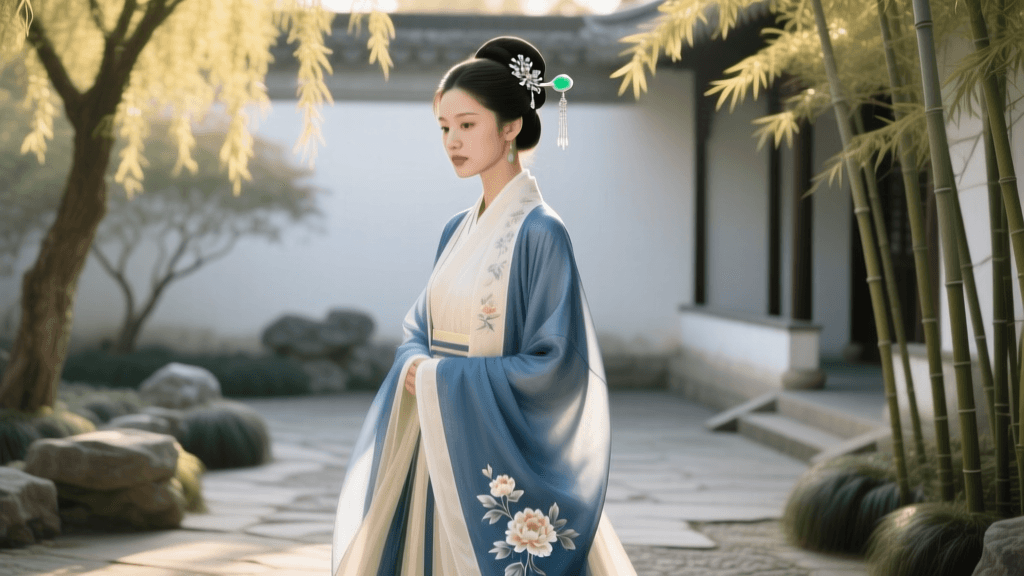
As we navigate the 2026 academic and cultural season, the integration of traditional Hanfu into major life milestones has transitioned from a niche revival to a mainstream ceremonial standard. Across universities in Asia and within global diaspora communities, graduating students and young adults celebrating their twentieth birthdays are increasingly opting for historically grounded garments to mark their transitions into adulthood. Among the most profound of these rites is the Ji Li (笄礼), the traditional coming-of-age ceremony for women, which has seen a massive resurgence alongside modern university graduation ceremonies. This guide provides a comprehensive, actionable approach to styling, sourcing, and executing the perfect Ming dynasty-inspired Hanfu ensemble for these pivotal 2026 milestones.
Understanding the Ji Li (笄礼) Ceremony
Historically, the Ji Li marked a young woman's transition into adulthood, typically celebrated at age fifteen, though modern adaptations in 2026 align it with university graduation ages (twenty to twenty-two). The core of the ceremony revolves around the 'Three Additions' (San Jia), where the celebrant changes garments and hair accessories three times, each representing a deeper level of maturity, responsibility, and social standing. According to cultural historians and research highlighted by the UNESCO Intangible Cultural Heritage archives on Chinese silk craftsmanship, the use of specific sericulture techniques and silk weaves in these rites underscores the deep connection between textile arts and social rituals in Chinese history.
Selecting the Silhouette: Ming Dynasty Aoqun
For the formal gravitas required for both Ji Li and graduation rites, the Ming Dynasty Aoqun (袄裙 - a lined or padded upper jacket paired with a skirt) remains the gold standard in 2026. Specifically, the Pipa-sleeve Ao paired with a Mamianqun (horse-face skirt) offers unparalleled elegance, modesty, and structural integrity. As noted by The Metropolitan Museum of Art's Heilbrunn Timeline of Art History, Ming dynasty clothing is characterized by its dignified silhouettes, intricate weaving techniques, and structured layering, making it highly appropriate for solemn academic and familial rites.
Fabric and Measurement Specifications for 2026
To ensure your garment drapes correctly and withstands the physical demands of the ceremony (which involves multiple kneelings and deep bows), precise fabric weights and measurements are critical.
- Upper Jacket (Ao): Opt for a 120gsm to 150gsm silk-cupro blend or peace silk for spring/summer graduations. For winter Ji Li ceremonies, a 250gsm brocade with a soft cotton lining is recommended. The hem should fall exactly 2cm below the hips to maintain modesty when raising the arms.
- Mamianqun (Skirt): The skirt waist should sit at the natural waistline. The length must be measured from the navel to the ankle bone, plus exactly 3cm to allow for the hem to graze the top of the traditional cloud-toe shoes without dragging on the floor.
- Pleat Setting: In 2026, top-tier makers use high-temperature steam setting combined with internal silk organza interlining to ensure the knife pleats of the Mamianqun do not fan out uncontrollably during movement.
Drape Analysis and Movement Logistics
A common challenge during the Ji Li ceremony is managing the volume of the Mamianqun during the kneeling rites (Gui Bai). The structured front and back panels (the 'horse faces') must remain flat and centered. When kneeling, the wearer must use a subtle sweeping motion with the back of the hands to gather the side pleats outward, ensuring the flat panels drape neatly over the knees. For 2026, many bespoke tailors are adding hidden, micro-weighted lead-free glass beads into the bottom hem of the skirt's side pleats. This innovation anchors the drape, preventing the skirt from billowing awkwardly in outdoor graduation photo sessions or breezy campus courtyards.
The Three Additions (San Jia): A Step-by-Step Guide
The Ji Li ceremony is structured around three distinct outfit changes, each accompanied by a specific hair-pinning ritual. Below is a breakdown of the traditional progression, adapted with 2026 market realities and styling norms.
| Addition | Garment Type & Color | Hair Accessory | Symbolic Meaning | 2026 Avg. Cost (USD) |
|---|---|---|---|---|
| First (Chu Jia) | Simple, unlined pastel Aoqun (e.g., celadon or soft ivory) | Simple wooden or jade hairpin (Zan) | Innocence, leaving childhood behind, and initial maturity. | $180 - $250 |
| Second (Er Jia) | Deeper colored, lined Aoqun with subtle woven motifs (e.g., navy or plum) | Ornate hair clasp or double-pronged pin (Chai) | Developing virtues, readiness to take on societal and familial responsibilities. | $280 - $400 |
| Third (San Jia) | Formal ceremonial Ming Aoqun with cloud-shoulder (Yunjiang) embroidery in crimson or gold | Crown-like hairpiece or elaborate Buyao (step-shake) with pearl drops | Full adulthood, academic achievement, and readiness for marriage or professional life. | $550 - $900+ |
2026 Hair Accessory Innovations
The crown jewel of the Ji Li is the hairpin (Zan) and the elaborate Buyao (步摇). In 2026, the market has seen a shift away from heavy, solid-brass replicas that cause neck strain during long graduation ceremonies. The current trend favors aerospace-grade 3D-printed titanium frameworks coated in traditional gold-leaf or enamel. These pieces weigh less than 40 grams but can support the structural load of multiple freshwater pearl drops and lab-grown jade carvings. When styling, ensure the hair is prepped with a texturizing grip spray rather than heavy oils, allowing the U-pins to anchor securely into the bun without slipping during the deep bows of the rite.
Sourcing Authentic Garments in 2026
Securing high-quality, historically accurate Hanfu requires planning. The most reputable makers, such as Ming Hua Tang and Shiyang Jing, operate primarily through Taobao and Weidian. For international buyers in 2026, utilizing established proxy shopping services with dedicated quality-control inspection for silk brocades is essential. Lead times for bespoke or made-to-order Mamianqun currently range from 8 to 14 weeks. Therefore, if you are planning a June graduation Ji Li, orders must be finalized by late February at the latest. Always request a 'flat-lay' photo from the proxy agent to verify the alignment of the Mamianqun motifs across the pleats before authorizing international shipping.
Ceremony Day Logistics and Garment Care
On the day of the rite, garment maintenance is paramount. Silk brocades and cupro blends should never be ironed directly. Use a commercial-grade standing steamer, keeping the nozzle at least 10cm away from the fabric to relax wrinkles without crushing the metallic threads of the Zhuanghua (woven gold) patterns. Dressing order is critical: inner garments (Zhongyi) first, followed by the skirt (secured tightly with the waist ties), and finally the Ao. The collar of the Zhongyi should peek out exactly 1.5cm above the Ao collar to create the traditional layered depth. By respecting these historical silhouettes and embracing modern textile innovations, the 2026 Ji Li and graduation ceremonies become a seamless bridge between ancient heritage and contemporary achievement.