Best Hanfu Styles for Qigong & Meditation in 2026: A Fit Guide
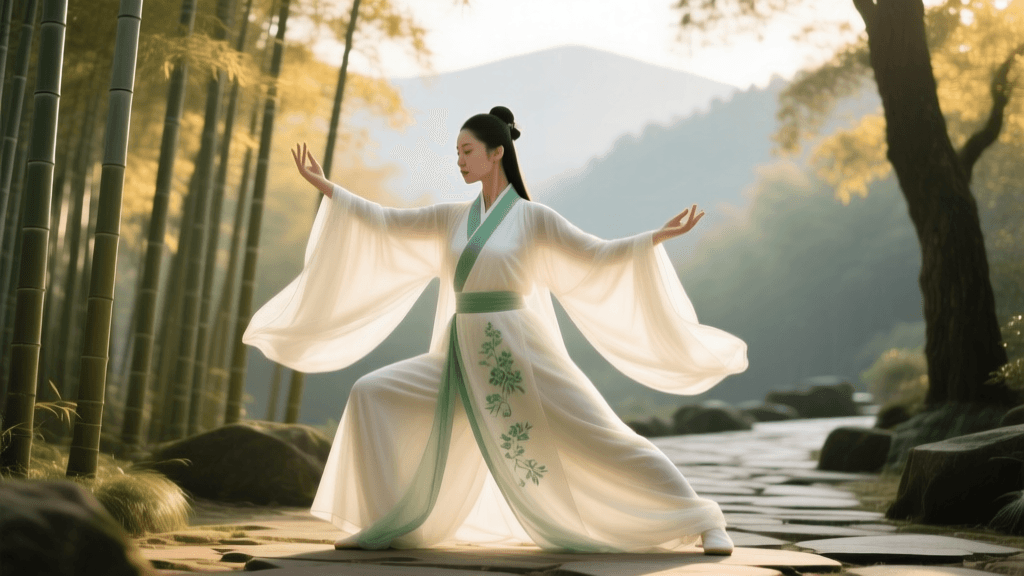
As the global wellness industry continues to evolve in 2026, practitioners of mindfulness, breathwork, and movement therapies are increasingly turning away from synthetic activewear and toward garments that honor the mind-body connection. In the realm of Chinese wellness practices—specifically Qigong, Tai Chi, and seated meditation—the traditional Hanfu has experienced a remarkable renaissance. No longer reserved solely for historical reenactments or cultural festivals, the Hanfu is now recognized by holistic health enthusiasts as functional wellness wear. The integration of traditional Chinese dress into daily spiritual routines represents a profound shift in how we view the relationship between what we wear and how we heal.
The Intersection of Hanfu and Energy Flow (Qi)
At the core of Qigong and meditation is the cultivation and unobstructed flow of Qi (vital energy) through the body's meridian system. Modern compression wear and tight waistbands, while excellent for high-intensity interval training, actively restrict the diaphragm and compress the abdomen. This restriction inhibits the deep, diaphragmatic breathing required for advanced breathwork. According to wellness experts and researchers at Harvard Medical School, mindful movement practices rely heavily on relaxed, natural postures that allow the respiratory system to expand fully. The traditional flat-pattern cutting of Hanfu garments creates a structural drape that follows the body's natural lines without clinging, ensuring that the flow of Qi remains uninterrupted during deep meditative states.
Top Hanfu Styles for Meditation and Qigong in 2026
Choosing the correct silhouette is paramount depending on whether your practice is dynamic (moving Qigong) or static (seated meditation). Here are the most highly recommended styles for practitioners this year.
1. The Daopao (Daoist Robe)
The Daopao is a cross-collared, wide-sleeved robe with side slits that allow for maximum leg mobility. Historically worn by Daoist monks and scholars, its generous proportions make it the ultimate garment for standing meditation (Zhan Zhuang) and slow-flow Tai Chi. The wide sleeves facilitate the circulation of air around the arms, preventing overheating during prolonged outdoor morning practices. In 2026, contemporary artisanal brands have introduced lightweight linen-cotton blends to the Daopao, reducing the garment's overall weight while maintaining its majestic drape.
2. Jiaoling Ruqun (Cross-Collar Top and Skirt)
For seated meditation, particularly the lotus or half-lotus positions, the Jiaoling Ruqun is unparalleled. The high-waisted skirt sits comfortably above the navel, allowing the legs to cross deeply without fabric tension pulling at the knees or hips. The cross-collar top stays neatly tucked or layered, providing warmth to the lower back and kidneys—an area considered crucial for storing vital essence (Jing) in Traditional Chinese Medicine.
3. Duan Da and Ku (Short Garment and Trousers)
For more vigorous Qigong routines like Ba Duan Jin (Eight Brocades) or Wu Qin Xi (Five Animal Frolics), full robes can be a tripping hazard. The Duan Da, a shorter cross-collar top paired with loose-fitting Ku (trousers), offers the perfect balance of traditional aesthetics and athletic functionality. The trousers are typically gathered at the ankle, ensuring the fabric does not drag on the ground during deep stances like the horse stance (Ma Bu).
Fabric Matters: Choosing Materials for Breathwork
The textile you choose directly impacts your thermal regulation and tactile grounding. In 2026, there is a massive resurgence in heritage weaving techniques and natural, eco-friendly dyeing methods. The Victoria and Albert Museum notes that historical Chinese textiles were deeply connected to regional climates and seasonal changes, a philosophy modern wellness practitioners are eagerly adopting.
| Fabric Type | Weight and Drape | Breathability | Best Practice Application | 2026 Avg. Price (USD) |
|---|---|---|---|---|
| Sheng Chou (Raw Silk) | Medium, textured drape | High | Year-round seated meditation | $180 - $250 |
| Xiangyunsha (Gambiered Gauze) | Lightweight, crisp | Exceptional (cooling) | Summer outdoor Tai Chi | $300 - $450 |
| Xia Bu (Handwoven Ramie) | Stiff, structural | Very High | Dynamic Qigong, hot climates | $120 - $180 |
| Bamboo-Linen Blend | Soft, fluid | High | Indoor breathwork, Yin Yoga | $80 - $130 |
Xiangyunsha, a luxurious silk dyed with yam juice and river mud, is particularly prized in 2026 for its natural antibacterial properties and its ability to lower skin temperature, making it ideal for intense summer energy work.
Sizing and Fit for Unrestricted Movement
Proper sizing in Hanfu for wellness practices differs significantly from fashion-oriented Hanfu. When practicing Qigong, the Lower Dantian (the body's primary energy center located roughly two inches below the navel) must remain entirely free of compression. Therefore, waist ties and sashes should be adjusted to sit either comfortably on the natural waistline (above the ribs) or low on the hips, never directly across the lower abdomen.
Sleeve length is another critical factor. While ceremonial Hanfu often features sleeves that extend past the fingertips, wellness-focused Hanfu in 2026 favors the Jiu Fen (nine-tenths) sleeve length. This cut ends precisely at the wrist bone, allowing the hands to form intricate mudras and palm gestures without the fabric obscuring the fingers or disrupting the flow of Qi through the Lao Gong acupressure points in the center of the palms.
2026 Market Trends: Sustainable and Artisanal Wellness Hanfu
The wellness apparel market in 2026 is heavily focused on sustainability, and the Hanfu community is leading the charge in natural dyeing. Artisans are utilizing plant-based dyes such as indigo, lotus seed pods, and tea leaves, which not only reduce environmental impact but are also believed in traditional Chinese culture to possess grounding, calming frequencies. The Mayo Clinic emphasizes that creating a comfortable and serene environment is a foundational step for successful meditation; wearing garments dyed with natural, earth-derived pigments extends that serene environment directly onto the body.
Furthermore, small-batch studios in Hangzhou and Suzhou are now offering custom-tailored wellness Hanfu, utilizing 3D body scanning technology to ensure the shoulder seams and armholes perfectly match the practitioner's unique skeletal structure, eliminating any chafing during repetitive Qigong movements.
Conclusion: Dressing with Intention
The integration of Hanfu into Qigong and meditation is more than a stylistic choice; it is a profound commitment to holistic living. By selecting the appropriate silhouette, prioritizing natural and breathable heritage fabrics, and ensuring a fit that honors the body's energy centers, practitioners can deeply enhance their spiritual and physical routines. As we move through 2026, the fusion of ancient Chinese sartorial wisdom and modern wellness practices offers a beautiful, grounding pathway to inner peace and vitality.