Kimono Age Milestones 2026: Dressing For Life Stages
The Visual Language of Japanese Life Stages
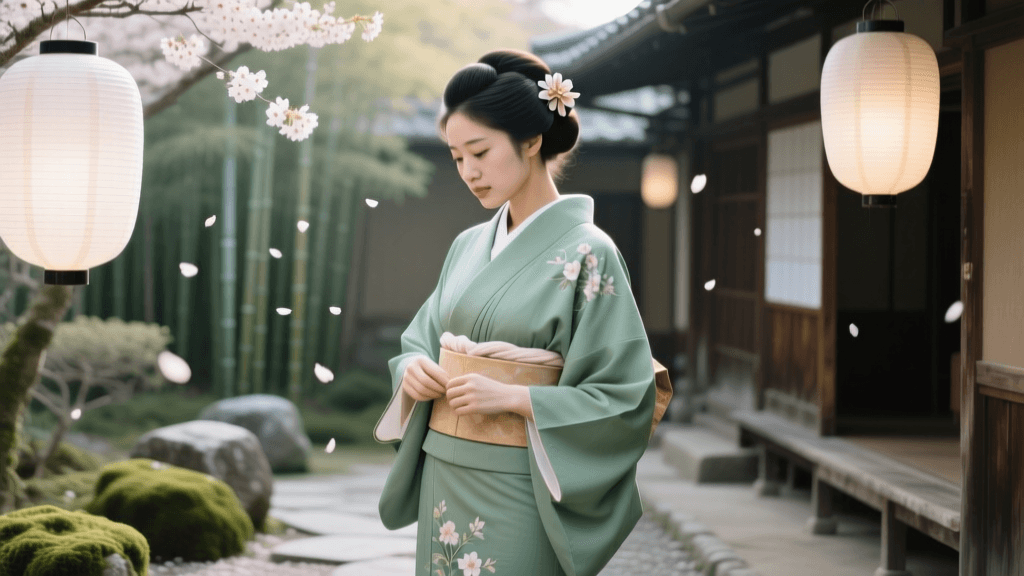
The kimono is far more than a beautiful garment; it is a profound visual language that communicates the wearer’s age, marital status, and the specific life milestone they are celebrating. As we navigate through 2026, the intersection of ancient textile traditions and modern lifestyle shifts has created a fascinating landscape for Japanese ceremonial dress. While daily wear has largely transitioned to Western clothing, the kimono remains an indispensable anchor for life’s most pivotal moments. From the tender years of childhood festivals to the dignified elegance of elder celebrations, understanding the rules of kimono dressing is essential for anyone studying traditional Asian garments.
According to the Metropolitan Museum of Art's Heilbrunn Timeline of Art History, the evolution of the kimono has always been intrinsically linked to social structure and life progression. Today, the silhouette, sleeve length, pattern placement, and family crests (kamon) all work in harmony to tell the story of the wearer's exact place in their life journey. In 2026, the kimono industry has beautifully adapted to modern sensibilities, integrating sustainable silks and contemporary rental technologies while fiercely protecting the traditional rules of age-appropriate dressing.
Childhood Milestones: Shichi-Go-San (Ages 3, 5, and 7)
One of the earliest and most photographed kimono milestones is Shichi-Go-San (Seven-Five-Three), held annually in November to celebrate the growth and health of children. Historically, these ages were considered critical turning points in a child's survival and development. In 2026, families across Japan continue to dress their children in exquisite miniature garments for shrine visits.
- Age 3 (Girls and Boys): Toddlers typically wear a kimono with a hifu (a padded, sleeveless vest) over it. The hifu eliminates the need for a tight, restrictive obi, ensuring the child remains comfortable. In 2026, washable silk-blend hifu sets have become incredibly popular among modern parents, averaging ¥12,000 for purchase.
- Age 5 (Boys): Boys transition to wearing their first hakama (pleated trousers) and haori (jacket), often adorned with a single family crest. The styling mimics adult male formalwear, symbolizing their entry into societal expectations.
- Age 7 (Girls): Girls graduate from the simple hifu to wearing a full, tied obi, mirroring adult women. This milestone celebrates their transition into young ladyhood. Rental packages for 7-year-old Shichi-Go-San in major cities like Tokyo and Kyoto currently range from ¥15,000 to ¥25,000, often including professional dressing and photography.
Youth and the Furisode: The 20-Year-Old Gathering
The most vibrant display of kimono culture occurs during the Coming of Age ceremonies. Although Japan legally lowered the age of adulthood to 18 in 2022, the kimono industry and local municipalities swiftly adapted to preserve the cultural integrity of the Furisode (long-sleeved kimono). By 2026, the vast majority of cities host "Hatachi no Tsudoi" (20-Year-Old Gatherings) rather than 18-year-old ceremonies. This ensures that young women can celebrate without the intense stress of university entrance exams, and it preserves the spectacular visual tradition of the Furisode.
The Furisode is exclusively worn by unmarried women. Its defining feature is the ohashi (long, swinging sleeves), which can measure up to 114 centimeters in length. The long sleeves historically served to ward off evil spirits and signal availability for marriage. In 2026, Furisode trends have shifted toward bold, high-contrast retro-modern patterns, digital textile printing for hyper-customization, and the upcycling of vintage Meiji-era obis. A complete Furisode ensemble—including the kimono, fukuro obi, zori sandals, and professional dressing—commands a premium in 2026, with rental packages averaging ¥150,000 to ¥250,000, and bespoke purchases easily exceeding ¥800,000.
Marriage and Adulthood: From Long Sleeves to Tomesode
Marriage represents the most dramatic shift in a Japanese woman's kimono wardrobe. Upon marrying, a woman symbolically "cuts" her long sleeves, transitioning from the youthful Furisode to the Tomesode (short-sleeved kimono). This transition is a cornerstone of Japanese sartorial etiquette, signaling maturity, marital status, and a shift in societal responsibility.
The Wedding Ceremony
For the bride herself, the wedding day features the pinnacle of kimono formality. The Shiromuku is a pure white ensemble symbolizing purity and the bride's willingness to be "dyed" in the colors of her new family. Following the ceremony, brides typically change into an Irouchikake, a heavily padded, brightly colored outer robe featuring auspicious motifs like cranes, pine trees, and flowing water, worn open over a hanging kimono.
Guest and Relative Attire
For married women attending weddings or formal events, the Kurotomesode (black kimono with patterns only below the hem and five family crests) is the highest level of formality, reserved for close relatives like the mother of the bride or groom. Unmarried female relatives or friends may still wear Furisode, or opt for an Irotomesode (colored Tomesode) or Houmongi (visiting wear), which features patterns that flow continuously across the seams and is appropriate for both married and unmarried women.
The Elder Years: Kanreki and Beyond
As Japanese men and women enter their later years, the kimono wardrobe shifts toward understated elegance, prioritizing exquisite textile techniques over bold, youthful patterns. The Kanreki (60th birthday) traditionally involves wearing a red chanchanko (padded vest) to symbolize rebirth, as 60 marks the completion of one full cycle of the zodiac calendar. However, in 2026, sophisticated Kanreki celebrations often feature elegant Edo Komon—kimono dyed with microscopic, repeating geometric patterns that appear solid from a distance but reveal immense craftsmanship up close.
Subsequent milestones include Koki (70th birthday), Kiju (77th birthday), and Beiju (88th birthday). Elder women frequently favor the Nagoya obi, which is pre-folded and easier to tie, paired with Tsukesage or Komon kimono in deep jewel tones, muted pastels, or seasonal botanical motifs. The focus in these later life stages is on the quality of the silk, the subtlety of the weave, and the grace of the wearer.
2026 Kimono Milestone Comparison Chart
| Life Stage / Milestone | Typical Age | Primary Kimono Type | Sleeve Length | 2026 Avg. Rental/Purchase Cost (JPY) |
|---|---|---|---|---|
| Shichi-Go-San (Early) | 3 | Kimono with Hifu | Standard | ¥10,000 - ¥18,000 (Rental) |
| Shichi-Go-San (Late) | 7 | Kimono with Full Obi | Standard | ¥15,000 - ¥25,000 (Rental) |
| Hatachi no Tsudoi (Coming of Age) | 20 | Furisode | Long (Oku-sode) | ¥150,000 - ¥300,000 (Rental/Pkg) |
| Wedding (Bride) | Varies | Shiromuku / Irouchikake | Standard | ¥300,000 - ¥800,000+ (Purchase) |
| Wedding (Married Guest) | Varies | Kurotomesode | Short (Tomesode) | ¥80,000 - ¥150,000 (Purchase) |
| Kanreki (Rebirth) | 60 | Edo Komon / Tsukesage | Short | ¥100,000 - ¥250,000 (Purchase) |
The Rules of Crests (Kamon) and Formality
Across all life stages, the number of family crests (kamon) on a kimono dictates its formality, regardless of the wearer's age. A kimono with five crests (itsutsu-mon) is the most formal, reserved for weddings and the most solemn ceremonies. Three crests (mitsu-mon) are appropriate for formal parties and tea ceremonies, while one crest (hitotsu-mon) is worn for lighter formal occasions like theater visits or graduation dinners. In 2026, many younger generations who do not know their family crests opt to rent garments with generic auspicious crests, or commission modern, stylized crests from contemporary kimono designers, blending ancestral respect with individual identity.
Conclusion
The kimono remains a living, breathing archive of Japanese life. As the Japan National Tourism Organization (JNTO) frequently highlights, experiencing these traditional garments offers a profound window into the cultural soul of Japan. Whether it is the joyful, padded hifu of a three-year-old, the sweeping, dramatic sleeves of a 20-year-old's Furisode, or the quiet, masterful weaving of an elder's Edo Komon, the kimono maps the human journey with unparalleled grace. Understanding these age milestones not only enriches our appreciation for Asian textile traditions but also ensures that these magnificent dressing rules continue to be respected and celebrated in the modern era.