Dressing the Divine: Hanfu Inspired by Chinese Mythology
The Intersection of Myth and Mortal Fashion
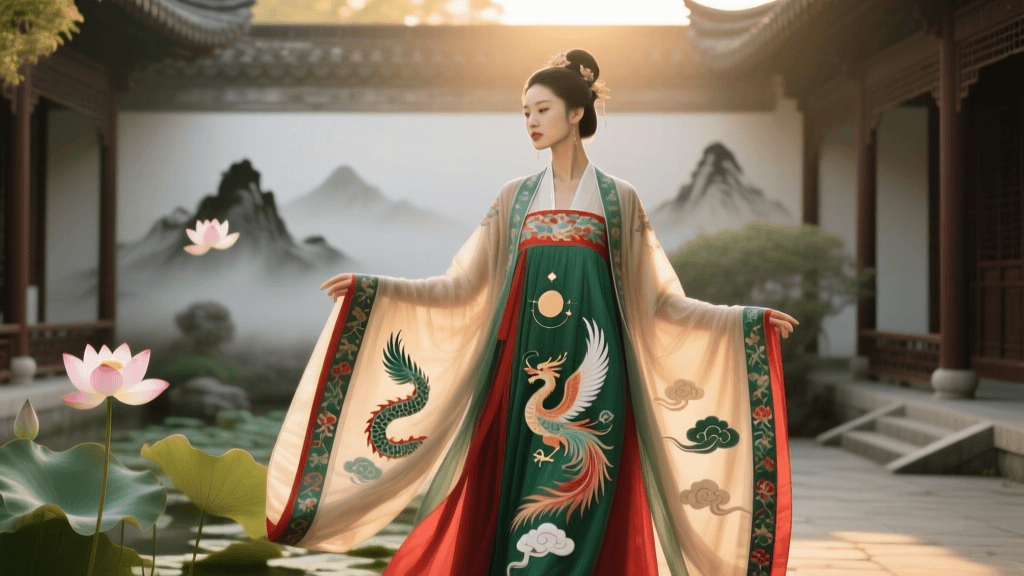
Chinese mythology is a vast, intricate tapestry of celestial deities, earthbound spirits, and legendary heroes. For centuries, these figures have been immortalized in temple statues, Ming-dynasty theater costumes, and classical literature. Today, the modern Hanfu movement has breathed new life into these mythological archetypes, allowing enthusiasts to step into the roles of immortals and spirits. According to the World History Encyclopedia, Chinese mythological figures are deeply tied to natural elements, cosmic balance, and moral virtues, all of which are visually communicated through their traditional garments.
Translating divine aesthetics into wearable, historical, or historically-inspired clothing requires an understanding of fabric physics, color theory, and structural tailoring. Whether you are preparing for a Hanfu convention, a themed photoshoot, or simply wish to incorporate mythic elegance into your daily wardrobe, understanding the sartorial language of Chinese legends is essential.
Decoding Mythological Archetypes in Hanfu
Different mythological beings require distinct silhouettes, textiles, and color palettes to accurately convey their lore. Below is a comprehensive comparison chart detailing the most popular mythological archetypes and their corresponding Hanfu styles.
| Mythological Archetype | Primary Hanfu Style | Key Color Palette | Fabric Recommendation | Estimated Cost (USD) |
|---|---|---|---|---|
| Celestial Maiden (Xian) | Qixiong Ruqun & Daxiushan | Pastels, Pearl White, Icy Blue | Silk Chiffon, Organza, Tulle | $120 - $250 |
| Fox Spirit (Huli Jing) | Mamianqun & Aoqun | Crimson, Gold, Obsidian Black | Heavy Brocade, Damask, Jacquard | $150 - $300 |
| Dragon Deity (Long Wang) | Yuanlingpao & Feiyufu | Imperial Yellow, Azure, Teal | Silk Twill, Structured Satin | $180 - $350 |
| Lunar Goddess (Chang'e) | Tang Dynasty Banbi & Pibo | Silver, Moonlight Yellow, Lilac | Mulberry Silk, Soft Georgette | $140 - $280 |
The Celestial Maiden (Fairy / Xian)
The 'Xian' or immortal maidens are depicted as ethereal beings who ride clouds and reside in heavenly palaces. To recreate this gravity-defying look, the Qixiong Ruqun (chest-high skirt) paired with a Daxiushan (large-sleeved open robe) is the gold standard. The skirt should sit securely above the bust, requiring a skirt waist measurement of at least 1.5 to 2 times your actual chest circumference to allow for deep, elegant gathers. The Daxiushan is where the magic happens: sleeves should measure between 60cm and 80cm in width, and the hem should sweep the floor, extending 10cm past your natural height to create a trailing effect when walking.
The Fox Spirit (Huli Jing)
Fox spirits in Chinese folklore are shapeshifters known for their allure, cunning, and deep connection to earthly desires and mysticism. The Mamianqun (horse-face skirt) is the perfect canvas for this archetype. Characterized by its flat front and back panels with heavily pleated sides, the Mamianqun allows for intricate woven motifs—such as nine-tailed foxes, peonies, or auspicious clouds—to be displayed prominently. When sewing or commissioning a Mamianqun, ensure the pleats are heat-set and measure between 3cm and 5cm in depth. A standard Mamianqun requires 4.5 to 6 meters of fabric to achieve the proper volume and swing.
The Dragon Deity (Long Wang)
Dragon Kings command the waters and weather, representing imperial power and martial strength. The Yuanlingpao (round-collar robe) or the Feiyufu (flying fish robe, a style popularized by Ming dynasty imperial guards) suits this powerful archetype. These garments require structured fabrics like heavy silk twill or cotton-linen blends that hold their shape. The Yuanlingpao features a distinctive round neckline and side slits for mobility, often belted with a leather or jade-inlaid sash to emphasize a commanding silhouette.
Practical Guide: Sourcing and Styling Mythic Hanfu
Acquiring mythology-inspired Hanfu involves choosing between ready-to-wear pieces from established brands or undertaking a DIY sewing project. The Metropolitan Museum of Art notes that Chinese silk weaving techniques, such as kesi (silk tapestry) and damask, have historically been reserved for elite and divine representations. Today, modern textile manufacturing allows enthusiasts to access these luxurious textures at various price points.
Fabric Selection and Yardage
- Mulberry Silk (16 to 19 momme): Ideal for celestial layers. It provides a luminous drape and breathability. Requires dry cleaning. Budget $25-$40 per yard.
- Silk Brocade / Jacquard: Essential for Fox Spirit skirts and Dragon robes. The raised woven patterns catch the light, mimicking scales or fur. Budget $20-$50 per yard.
- Polyester Chiffon / Organza: The best budget-friendly alternative for ethereal overlays and Pibo (silk ribbons). It is durable, machine washable, and holds pleats well. Budget $5-$10 per yard.
Sizing and Tailoring Tips
Historical garments do not rely on darts or modern tailoring to fit the body. Instead, they use wrap closures, ties, and belts. When ordering from Chinese vendors on platforms like Taobao, always consult the specific brand's size chart. A crucial tip for chest-high skirts: if you are between sizes, always size up. A skirt that is too small will gap at the back and slip down, ruining the immortal silhouette. Use double-sided fashion tape along the inner rim of the skirt for added security during long conventions.
Accessorizing the Divine: Jade, Metals, and Silk Ribbons
No mythological ensemble is complete without its corresponding accessories. In Chinese mythology, accessories are not merely decorative; they are talismans of power, longevity, and spiritual connection. As noted by Britannica, the material culture surrounding Chinese myths heavily features jade, which is believed to bridge the gap between the mortal realm and the heavens.
Hair Ornaments and Crowns
For celestial and dragon archetypes, elaborate metalwork is required. Look for Guan (crowns) or Buyao (step hairpins) crafted from brass or silver-plated alloys, adorned with enamel drops and faux pearls. The 'swaying' motion of the Buyao mimics the fluttering of wings or the shimmering of water. For a Fox Spirit, opt for asymmetrical hairpins featuring floral motifs, fox-fire (will-o'-the-wisp) enamel designs, or dangling red tassels.
Jade Pendants and Sashes
A Yasai (waist ornament) is crucial for grounding the flowing robes of a Xian or Dragon King. A traditional jade disc (Bi) or a carved mythical beast pendant, suspended from a braided silk cord, adds weight to the hips, which improves the drape and movement of the skirt. When sourcing jade, authentic nephrite or jadeite can be costly ($100+ for quality carvings). For cosplay and convention wear, high-quality resin or glass replicas offer the same visual weight and translucent glow for under $20.
'To wear the garments of the gods is not merely to play dress-up; it is to participate in a visual dialogue that has spanned millennia, honoring the artisans and storytellers who first gave form to the divine.'
Conclusion
Translating Chinese mythology into wearable Hanfu is a deeply rewarding pursuit that blends historical research with creative expression. By understanding the structural requirements of the Qixiong Ruqun, the pleating mathematics of the Mamianqun, and the symbolic weight of jade and silk, you can craft an ensemble that truly embodies the spirit of the legends. Whether you are channeling the serene grace of a lunar goddess or the fierce elegance of a nine-tailed fox, the key lies in respecting the textiles and the tales they tell.