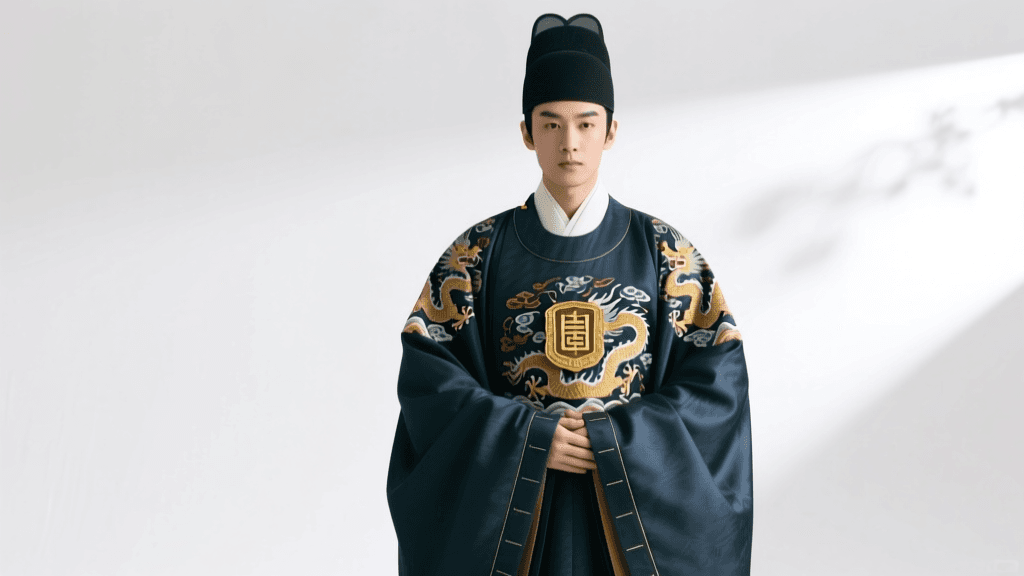
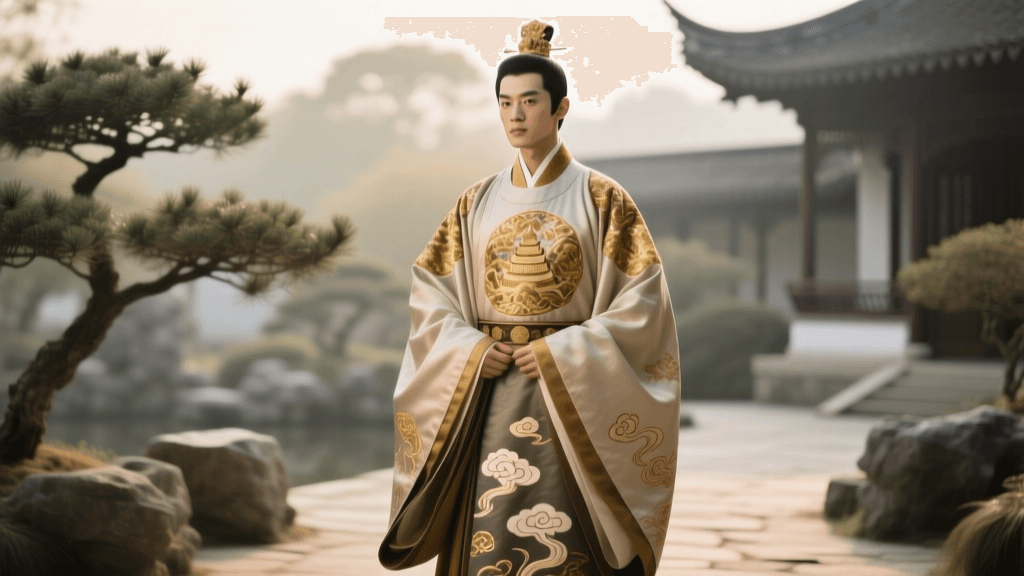
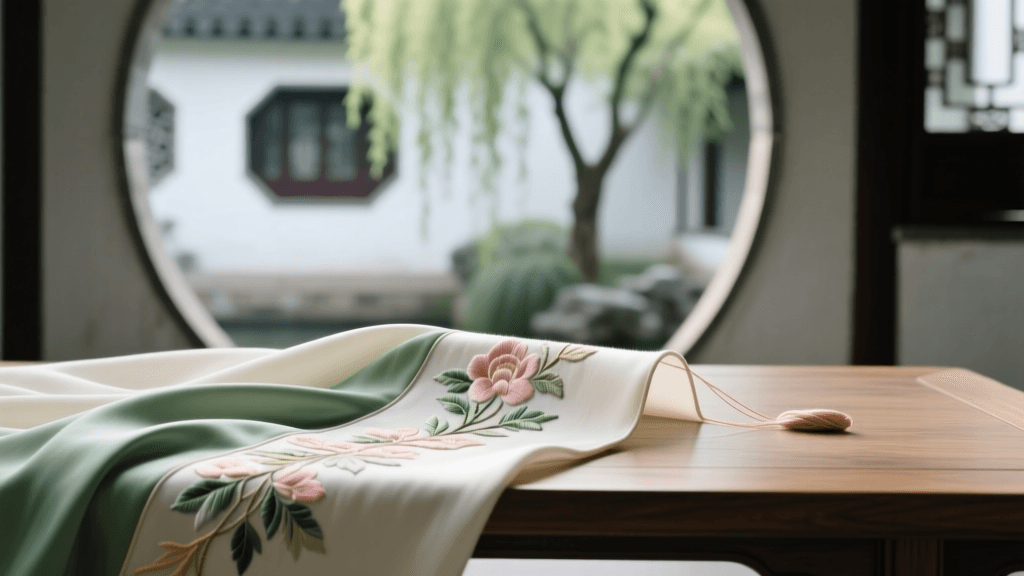
Exploring China's Top Hanfu Museums and Silk Heritage Sites
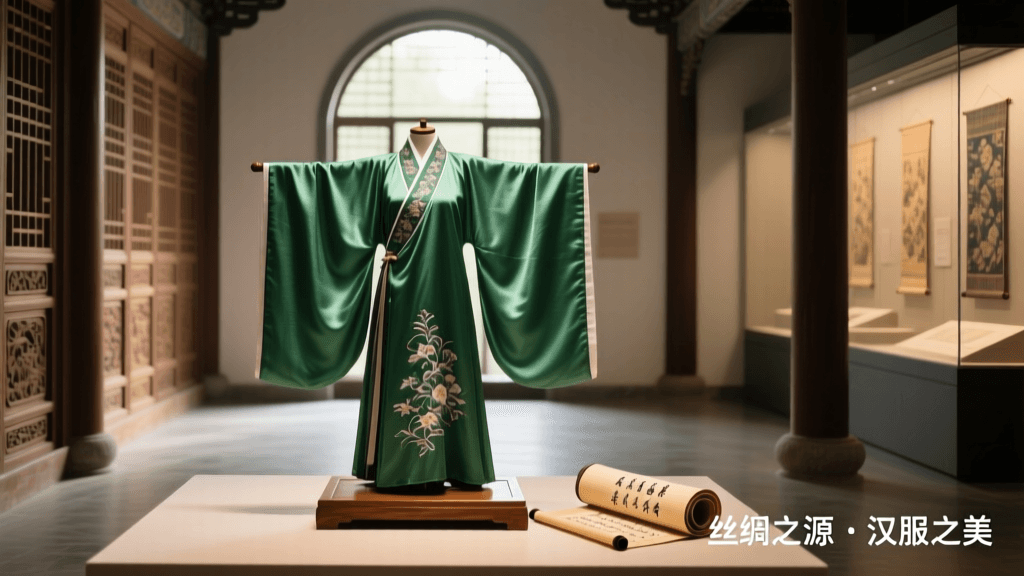
The Renaissance of Hanfu Through Museum Exhibitions
The modern Hanfu movement has transcended internet forums and street fashion, evolving into a profound cultural renaissance that seeks to reconnect with China’s sartorial history. While social media platforms showcase the vibrant aesthetics of the Mamianqun (horse-face skirt) and the flowing sleeves of the Daxiushan, the true foundational research, textile conservation, and historical validation of these garments take place within the quiet, climate-controlled halls of China’s premier textile and silk museums. For enthusiasts, historians, and cultural travelers, visiting these institutions offers an unparalleled opportunity to witness the archaeological evidence and intangible heritage crafts that make the Hanfu revival possible.
Museums dedicated to Chinese textiles do more than display static garments; they serve as active research centers where archaeologists, conservationists, and master weavers collaborate. When a Ming Dynasty tomb is excavated, it is the textile conservators at these museums who carefully stabilize the fragile silk fragments, analyze the weave structures, and ultimately provide the accurate patterns used by modern Hanfu tailors. Understanding this pipeline from ancient earth to modern wardrobe requires a deep dive into the heritage sites that protect China’s material culture.
Top Hanfu and Textile Museums in China
Planning a heritage tour requires strategic timing and an understanding of what each institution specializes in. Below is a comparative guide to the most significant museums for Hanfu and traditional textile enthusiasts.
| Museum Name | Location | Primary Focus | Estimated Entry Cost | Best Season to Visit |
|---|---|---|---|---|
| China National Silk Museum | Hangzhou, Zhejiang | Comprehensive silk history, archaeological textiles, conservation | Free (Reservation required) | Spring (March-May) & Autumn (Sept-Nov) |
| Suzhou Silk Museum | Suzhou, Jiangsu | Sericulture, Song Brocade, Kesi tapestry, live weaving demos | ~25 RMB | Spring (April) for blooming mulberry gardens |
| Hangzhou Arts & Crafts Museum | Hangzhou, Zhejiang | Intangible heritage crafts, embroidery, umbrella and fan making | Free | Year-round (Indoor focus) |
| Shanghai Textile Museum | Shanghai | Transition from traditional weaving to modern textile industry | Free | Autumn (Oct-Nov) |
China National Silk Museum: The Epicenter of Textile Archaeology
Located near the scenic West Lake in Hangzhou, the China National Silk Museum is the largest silk-themed museum in the world and a mandatory pilgrimage for any serious Hanfu enthusiast. The museum’s exhibitions are chronologically arranged, taking visitors from the Neolithic origins of sericulture through the opulent weaving techniques of the Tang, Song, Ming, and Qing dynasties.
For Hanfu researchers, the crown jewels of this museum are the excavated textiles. The museum houses meticulous replicas and carefully preserved fragments from the Mawangdui Han Dynasty tombs, showcasing the incredibly lightweight and breathable Shenyi (deep robe) fabrics that defined early imperial fashion. Furthermore, the museum’s conservation laboratory is a pioneer in stabilizing waterlogged and mineralized silks. Observing the intricate dye analysis and loom reconstruction exhibits provides modern Hanfu makers with the exact color palettes and structural blueprints needed to create historically accurate garments.
Suzhou Silk Museum: The Living Heritage of Brocade and Kesi
While Hangzhou focuses heavily on archaeology and broad history, Suzhou is the undisputed capital of active, living silk craftsmanship. The Suzhou Silk Museum offers a more tactile and demonstrative experience. Here, visitors can witness the entire lifecycle of silk production, from the mulberry gardens and silkworm rearing rooms to the rhythmic clacking of traditional wooden draw-looms.
This museum is particularly vital for those interested in the luxurious fabrics of the Ming and Qing dynasties. It is one of the few places where you can watch master artisans weave Song Brocade and Kesi (cut silk tapestry) in real-time. The Kesi technique, which creates a carved illusion in the fabric and was historically reserved for imperial dragon robes and high-ranking official补子 (Mandarin squares), is a painstaking process where a single inch of fabric can take a master weaver several days to complete. The UNESCO Intangible Cultural Heritage listing for Chinese sericulture and silk craftsmanship highlights the profound global importance of preserving these specific regional techniques, many of which are demonstrated daily at this very institution.
Global Perspectives: The Metropolitan Museum of Art
While China’s domestic museums hold the archaeological originals, global institutions play a crucial role in the preservation and academic study of Chinese textiles. The Metropolitan Museum of Art in New York houses an extraordinary collection of Chinese silk and embroidery. Their Heilbrunn Timeline of Art History provides invaluable open-access academic resources on the evolution of Chinese silk weaving, detailing the transition from Han Dynasty geometric patterns to the elaborate floral and auspicious motifs of the later dynasties. For international Hanfu enthusiasts unable to travel to China, studying the Met’s high-resolution digital archives offers a wealth of information on garment drape, historical layering, and period-accurate embellishments.
Practical Guide: Planning Your Heritage Tour
Visiting cultural heritage sites in China requires some logistical foresight, especially in the post-pandemic era where digital ticketing has become the absolute standard. Here is actionable advice for planning your Hanfu museum tour.
Booking and Digital Logistics
- WeChat Mini-Programs: Almost all major Chinese museums, including the China National Silk Museum, require advance reservations via their official WeChat Mini-Programs. Tickets are usually released 3 to 7 days in advance and can sell out within minutes during peak seasons.
- Passport Requirements: Foreign visitors must register using their passport numbers. Ensure your name is entered exactly as it appears on the machine-readable zone of your passport, as security staff will verify this against your physical ID at the gate.
- Language Barriers: While major museums offer English audio guides, downloading a translation app like Baidu Translate or Apple Translate is highly recommended for reading the nuanced descriptions of specific weave structures (like Luo gauze or Ling twill) which are often only detailed in Chinese.
Timing and Avoiding the Crowds
To truly appreciate the delicate embroidery and subtle sheen of historical silks, you need space and quiet. Avoid China’s Golden Week (the first week of October) and the Spring Festival holiday at all costs. During these periods, museums operate at maximum capacity, making it impossible to get close to the glass display cases. The optimal time to visit is mid-week (Tuesday through Thursday) during the shoulder seasons of April or November. Furthermore, aim to arrive right at opening time (usually 9:00 AM) to experience the most popular archaeological exhibits before tour groups arrive.
Museum Etiquette and Textile Preservation
Historical textiles are among the most fragile artifacts in any museum collection. Silk proteins degrade rapidly when exposed to ultraviolet light, sudden temperature fluctuations, and high humidity. As a visitor, your etiquette directly impacts the survival of these garments for future generations.
"The survival of a two-thousand-year-old silk garment is a miracle of chemistry and conservation. Every flash of a camera bulb accelerates the photodegradation of ancient natural dyes." — Textile Conservation Guidelines
- Zero Flash Photography: This is strictly enforced. Even the briefest burst of xenon light from a camera flash can cause cumulative, irreversible fading to natural plant and mineral dyes used in Han Dynasty and Tang Dynasty garments.
- Maintain Distance: Do not lean against glass cases. The heat and moisture from your breath and body can create micro-climates inside the display cases that encourage mold growth on ancient fibers.
- Silence and Respect: Many museums double as active research facilities. Keep voices low to respect the conservators who may be working in visible glass-walled laboratories adjacent to the exhibition halls.
Experiencing Intangible Cultural Heritage Live
The true magic of China’s textile museums lies in their commitment to Intangible Cultural Heritage (ICH). Beyond the static displays, institutions like the Hangzhou Arts & Crafts Museum and the Suzhou Silk Museum host rotating workshops. For a nominal fee (often between 50 to 150 RMB), visitors can participate in hands-on classes led by recognized ICH inheritors. You can learn the basics of Su Embroidery, try your hand at traditional plant dyeing using indigo and madder root, or operate a miniature traditional loom.
These workshops are not merely tourist attractions; they are vital economic engines that provide master artisans with a sustainable income, ensuring that the complex skills required to weave authentic Hanfu fabrics are passed down to the next generation. By participating in these workshops, cultural travelers directly fund the preservation of the very crafts that make the modern Hanfu movement so visually and historically rich.
Conclusion
The Hanfu revival is deeply rooted in the meticulous preservation work conducted within China’s silk and textile museums. From the archaeological wonders of the China National Silk Museum to the living, breathing looms of Suzhou, these institutions bridge the gap between ancient dynasties and modern cultural identity. By planning your visit carefully, respecting the delicate nature of historical textiles, and engaging with intangible heritage workshops, you do more than just observe history—you actively participate in its ongoing preservation. Whether you are a seasoned Hanfu collector or a curious cultural traveler, these heritage sites offer a profound, tactile connection to the sartorial soul of Asia.