Dressing the Divine: A Guide to Mythology-Inspired Hanfu Styling
The Allure of Chinese Mythology in Modern Hanfu
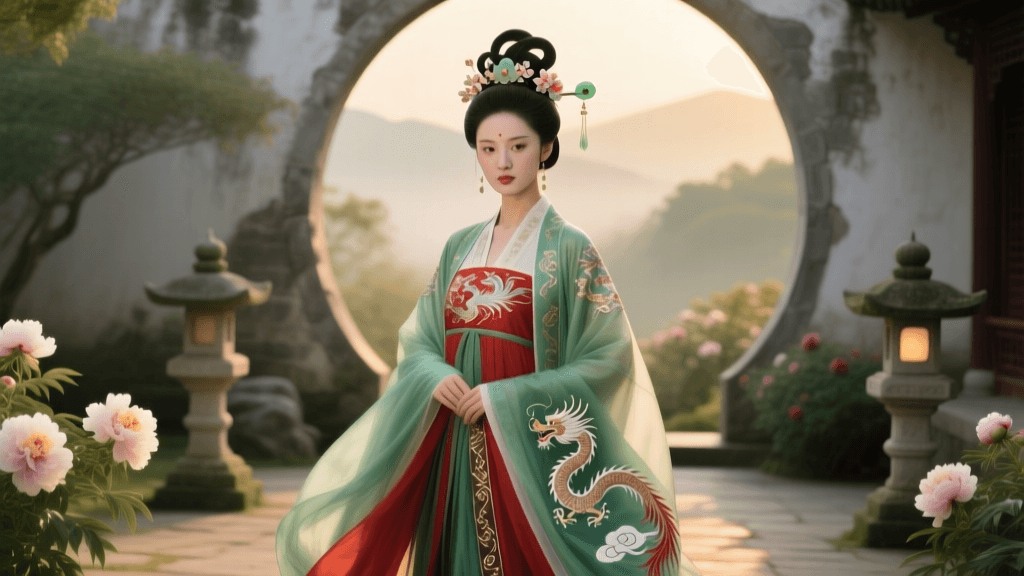
The intersection of ancient Chinese mythology and the modern Hanfu revival has birthed one of the most visually stunning subcultures in traditional Asian fashion. Drawing from foundational texts like the Shanhaijing (Classic of Mountains and Seas) and epic novels like Journey to the West, enthusiasts are no longer just wearing historical garments; they are embodying deities, spirits, and celestial beings. According to Britannica's comprehensive guide to Chinese Mythology, these legends are deeply intertwined with cosmological elements, animal totems, and celestial hierarchies, all of which translate beautifully into textile art and garment construction.
For modern practitioners, cosplayers, and cultural tourists, dressing as a mythological figure requires more than just buying a standard Hanfu set. It demands a nuanced understanding of fabric drape, color symbolism, and specialized accessories. This guide provides actionable, detailed advice for recreating three iconic mythological archetypes: the Moon Goddess, the Fox Spirit, and the Dragon King.
Iconic Mythological Figures and Their Signature Garments
Chang’e: The Moon Goddess
Chang’e is the epitome of celestial elegance. Her mythological narrative involves floating to the moon, which translates sartorially into garments that defy gravity and emphasize ethereal movement. The foundational outfit for Chang’e is the Qixiong Ruqun (chest-high ribbon skirt) paired with a Pibo (silken shawl or ribbon).
- Measurements & Fit: The chest-high skirt must be tailored to sit securely just above the bust line without slipping. Measure your upper bust circumference and add 15cm for overlap and tying. The skirt length should be floor-sweeping; measure from your underarm to the floor (typically 110cm to 120cm) and add 5cm for a weighted hem.
- The Pibo: This is the most critical element for the 'floating' illusion. Purchase or sew a Pibo made of 8-momme silk chiffon or organza. The ideal dimensions are 220cm in length and 35cm in width. The extra length allows it to trail behind you, catching the wind during outdoor photography.
- Cost & Sourcing: A high-quality, embroidered Qixiong Ruqun set ranges from $60 to $120 USD. Look for motifs featuring jade rabbits, cassia trees, or crescent moons.
Huli Jing: The Nine-Tailed Fox Spirit
The Fox Spirit, or Huli Jing, represents allure, mysticism, and transformation. In modern Hanfu styling, this is often depicted using the Mamianqun (horse-face skirt) and a structured Beizi (long open-front jacket) to create a sharp, predatory, yet elegant silhouette.
- Fabric & Texture: To mimic the fox’s coat, incorporate textured fabrics. Use a heavy brocade or jacquard for the Mamianqun (around 200-250 GSM) to ensure the pleats hold their shape sharply. For the Beizi, choose a velvet or faux-suede fabric.
- Actionable Styling: Add a 5cm wide faux-fur trim to the collar and cuffs of the Beizi. White, crimson, and metallic gold are the traditional colors for a powerful fox spirit. If sewing the Mamianqun yourself, ensure the flat front panels (the 'horse faces') are exactly 30cm wide, with the pleated sides taking up the remaining waist circumference.
- Accessories: Fox spirits are often depicted with elaborate floral or foliate hairpins. Invest in brass 'Buyao' (step-shake hairpins) featuring dangling leaves or fox-fire (will-o'-the-wisp) motifs.
Long Wang: The Dragon King
The Dragon Kings of the Four Seas command respect and authority. Their attire is heavily influenced by imperial court dress, specifically the Yuanlingpao (round-collar robe) or the Feiyufu (flying fish robe), characterized by bold shoulder lines and intricate woven patterns.
- Structure & Tailoring: The Yuanlingpao requires precise shoulder measurements. Measure across your back from the edge of one shoulder bone to the other (usually 42-46cm for women, 46-50cm for men). The robe should feature a stiffened collar and structured sleeves to project authority.
- Textile Selection: Look for 'Zhuanghua' (woven gold thread) or heavy embroidered satin. The The Metropolitan Museum of Art's Asian silk collection showcases historical examples of how metallic threads were woven into silk to catch the light, a technique essential for replicating dragon scales.
- Budgeting: Authentic-feeling Yuanlingpao robes with dense embroidery are an investment, typically costing between $150 and $300 USD. To save costs, opt for machine-embroidered poly-blend satins, which offer a similar sheen and are easier to maintain at conventions.
Fabric and Color Guide for Mythological Cosplay
Selecting the right material is paramount for translating a mythological concept into a tangible garment. Below is a structured guide to help you source the correct fabrics and colors for your specific deity or spirit.
| Mythological Figure | Primary Garment | Recommended Fabric | Color Palette | Est. Cost (USD) |
|---|---|---|---|---|
| Chang’e (Moon Goddess) | Qixiong Ruqun & Pibo | 8mm Silk Chiffon, Organza | Ivory, Pale Blue, Silver | $60 - $120 |
| Huli Jing (Fox Spirit) | Mamianqun & Beizi | Jacquard Brocade, Velvet | Crimson, Gold, White | $80 - $150 |
| Long Wang (Dragon King) | Yuanlingpao | Heavy Satin, Woven Brocade | Azure, Black, Imperial Yellow | $150 - $300 |
| Nuwa (Creator Goddess) | Shenyi (Deep Robe) | Linen, Raw Silk | Earth Tones, Jade Green | $70 - $130 |
Sourcing Authentic Accessories and Hair Ornaments
A mythological Hanfu look is incomplete without the correct headwear. In Chinese folklore, deities are often identified by their specific crowns or hairpins. When sourcing these items online (via platforms like Taobao, AliExpress, or specialized Hanfu boutiques), pay attention to the materials.
True craftsmanship in traditional hair ornaments lies in the weight distribution. A heavy alloy hairpin will pull the hair and cause discomfort during long convention days, whereas a hollow brass or resin-cast piece will stay secure for hours.
Actionable Buying Tips:
- Material: Always search for 'brass' (tong) or 'copper' rather than 'zinc alloy' (hejin). Brass develops a beautiful patina and is much lighter.
- Technique: Look for 'Tian-tsui' (kingfisher feather art) replicas. Since real kingfisher feathers are protected, modern artisans use dyed goose feathers or silk threads. Search for 'silk thread velvet flower' (Ronghua) for a historically accurate, lightweight alternative that looks incredible on camera.
- Timing: Custom hairpieces from independent artisans can take 30 to 45 days to craft and ship. Order your accessories at least two months before your planned photoshoot or convention.
Sustainability and Silk Sourcing
When investing in high-end mythological Hanfu, many buyers prefer authentic silk. It is important to understand the heritage behind this material. According to UNESCO's Intangible Cultural Heritage list, sericulture and silk craftsmanship in China involve centuries-old techniques of mulberry cultivation, silkworm rearing, and hand-loom weaving. When purchasing silk Hanfu, look for vendors who specify the 'momme' (mm) weight of the silk. For outer robes like the Beizi, a 16mm to 19mm silk crepe de chine offers the perfect balance of opacity, drape, and durability.
Convention Survival: Practical Wearability
Dressing as a deity is visually striking, but navigating a crowded convention center in a floor-sweeping Pibo or a heavy brocade Mamianqun requires practical adjustments.
- Hemming for Indoors: If you are attending an indoor event, temporarily hem your skirt using double-sided fabric tape. Pinning the skirt up by 5cm will prevent the hem from being stepped on and stained by convention center floors.
- Securing the Pibo: The silken shawl of Chang’e is notorious for slipping off the shoulders. Use small, clear silicone garment grips on the inside of your top, or discreetly stitch a small snap button to the Pibo and the shoulder seam of your Ruqun to anchor it in place.
- Footwear: Traditional cloud-toe shoes (Yunxian) are beautiful but offer zero arch support. Buy a size up and insert a gel orthotic insole. This is crucial for maintaining the regal, gliding walk expected of a deity while standing in line for hours.
Conclusion
Translating Chinese mythology into wearable Hanfu is a profound way to engage with Asian traditions. By paying meticulous attention to fabric weights, precise tailoring measurements, and historically inspired accessories, you can bring the gods, spirits, and dragons of ancient legends into the modern world. Whether you are sewing a Mamianqun from scratch or curating a complete celestial wardrobe, the key lies in respecting the symbolism of the garments while adapting them for contemporary wearability.