Mythological Hanfu: A Guide to Styling Chinese Legends
The Intersection of Myth and Wardrobe
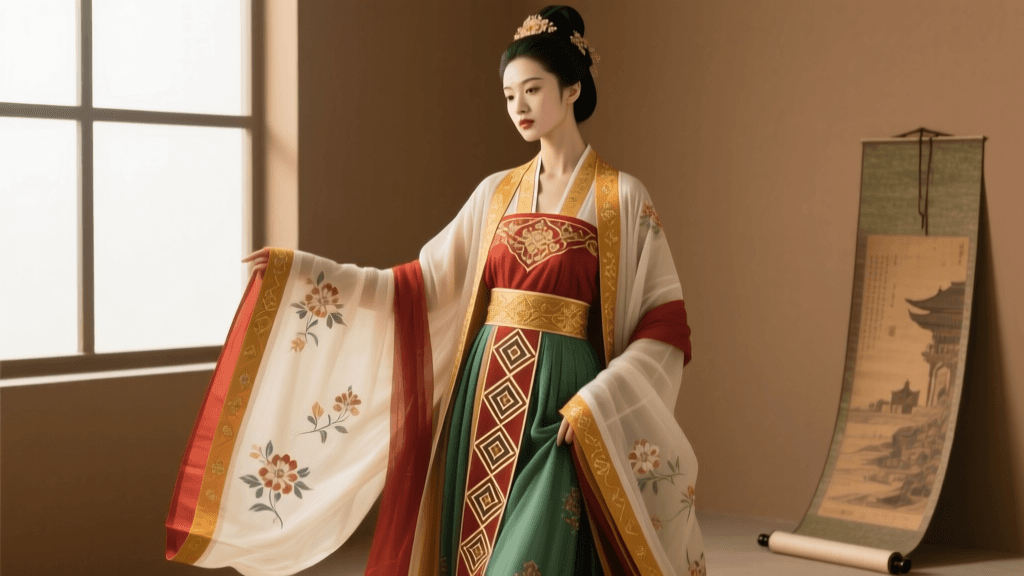
The modern Hanfu movement has transcended strict historical reenactment, embracing the ethereal and the supernatural. Drawing inspiration from ancient texts like the Classic of Mountains and Seas (Shanhaijing) and the rich visual lexicon of Daoist immortals, enthusiasts are increasingly turning to mythological Hanfu. According to Encyclopedia Britannica, traditional Chinese dress has long served as a canvas for mythological symbolism, where motifs of dragons, phoenixes, and celestial bodies were woven into the very fabric of the elite. Today, this translates into wearable fantasy. For those looking to embody the divine, understanding the specific silhouettes, textiles, and styling techniques of mythological archetypes is essential. This guide provides actionable, precise advice on sourcing, measuring, and styling traditional clothing inspired by Chinese legends.
Iconic Mythological Archetypes and Their Garments
Chang’e (The Moon Goddess)
The quintessential image of Chang’e relies on the Daxiushan (large-sleeve robe) layered over a Ruqun (blouse and skirt). To achieve the 'floating on the moon' effect, the skirt must have a minimum hem width of 6 meters (approx. 19.5 feet). Standard daily Hanfu skirts are 3 meters, but a 6-meter or even 9-meter hem creates the necessary volume for dramatic, wind-blown photography. Opt for a Daxiushan made from 30D or 50D silk chiffon or organza; these materials provide structural stiffness while remaining translucent. The color palette should strictly adhere to lunar motifs: moonlight white, pale celadon, and silver-threaded embroidery. Expect to spend between $120 and $250 USD for a high-quality, multi-piece set from established Taobao vendors like Shisanyu or Tingyue.
Huli Jing (The Fox Spirit)
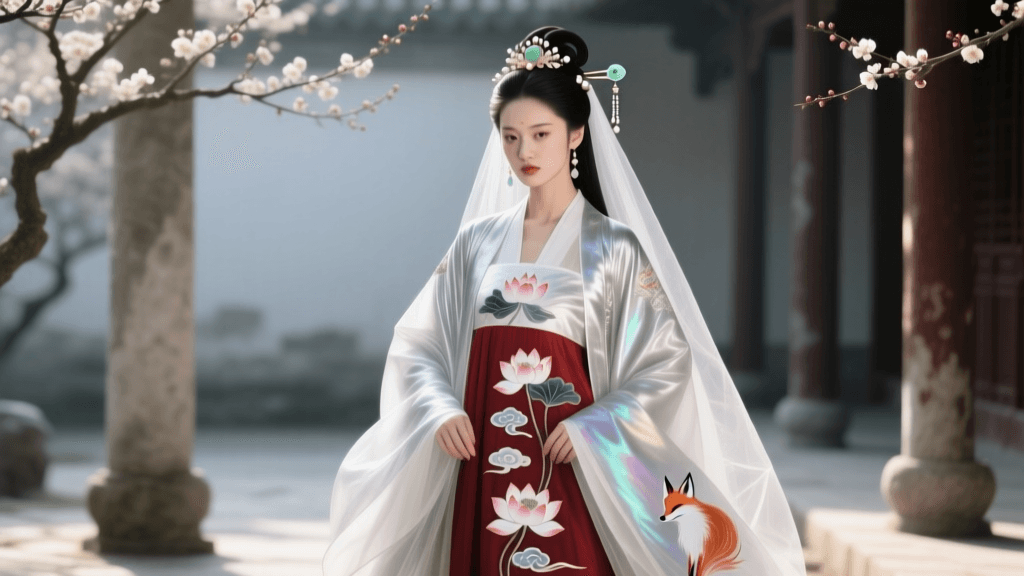
Fox spirits in Chinese folklore are shapeshifters known for their allure and mysticism. The Qixiong Ruqun (chest-high skirt) is the ideal base for this archetype, as it elongates the silhouette and allows for daring, off-the-shoulder styling. To elevate the look from historical to mythological, incorporate a faux-fur stole or a heavily embroidered Pibo (silk shawl) featuring nine-tailed fox motifs. Colors should be rich and intoxicating: crimson, deep plum, and antique gold. When sourcing, look for skirts with a 4.5-meter hem to allow for fluid, sweeping movements without the tripping hazard of a 9-meter hem in wooded or outdoor photoshoot locations.
Feitian (Dunhuang Heavenly Maidens)
Inspired by the Buddhist and Daoist murals of the Mogao Caves, the Feitian aesthetic is characterized by bare midriffs, bare arms, and gravity-defying ribbons. The core garment is a cropped Beizi (open jacket) or a bandeau-style top paired with a low-slung wrap skirt. The most critical element is the Pibo ribbon. The flowing pibo ribbons essential to the Feitian look rely on ancient weaving techniques. As noted by UNESCO's Intangible Cultural Heritage registry, Chinese sericulture and silk craftsmanship have produced textiles of unparalleled lightness for millennia. For a modern Feitian, source a mulberry silk Pibo measuring at least 3 meters long and 40 centimeters wide. The silk must be lightweight enough to catch the wind but heavy enough at the ends to drape elegantly over the forearms.
Sourcing, Measurements, and Logistics
When shopping on platforms like Taobao or AliExpress, use specific search terms to filter out standard historical garments and find mythological designs. Search for '仙侠汉服' (Xianxia Hanfu - immortal hero fantasy) or '敦煌风汉服' (Dunhuang style Hanfu).
Measurements are critical. Unlike Western sizing, Hanfu is often sold in 'one size fits most' or based on skirt length and chest width.
- Chest Width: For a Qixiong Ruqun, ensure the chest circumference of the garment is at least 1.5 times your actual chest measurement to allow for the tight wrapping required to keep the dress secure without modern zippers.
- Skirt Length: Measure from your underbust (for chest-high skirts) or natural waist (for mid-rise skirts) down to the floor, then add 5 centimeters to account for the hem pooling slightly, which enhances the ethereal, grounded-yet-floating illusion.
- Shipping and Agents: Expect shipping from specialized Taobao agents like Superbuy or CSSBuy to take 15-25 days via air freight. Budget an additional 10-15% of the garment cost for agent fees and international shipping weights, as a full mythological set with 6-meter skirts and heavy brocade can weigh upwards of 1.5 kilograms.
Comparison Chart: Mythological Hanfu Styles
| Archetype | Core Garment | Primary Fabric | Estimated Cost (USD) | Styling Time |
|---|---|---|---|---|
| Chang'e (Moon Goddess) | Daxiushan (Large Sleeve Robe) | Silk Organza, Tulle | $120 - $250 | 45 mins |
| Huli Jing (Fox Spirit) | Qixiong Ruqun (Chest-High Skirt) | Brocade, Faux Fur Trim | $80 - $180 | 30 mins |
| Feitian (Heavenly Maiden) | Beizi (Open Jacket) & Pibo | Mulberry Silk, Chiffon | $90 - $200 | 60 mins |
| Dragon Deity | Yuanlingpao (Round Collar Robe) | Heavy Brocade, Embroidery | $150 - $350 | 40 mins |
Accessorizing the Divine
A mythological garment is incomplete without its corresponding adornments. Historical textiles and mythological motifs are deeply intertwined. The Metropolitan Museum of Art's Heilbrunn Timeline of Art History highlights how Chinese silk and metalwork were not merely decorative but a medium for conveying cosmic and mythological narratives.
- Hair: Use a Buyao (步摇), a dangling hairpin that sways with movement. For a Moon Goddess look, choose a silver buyao with jade rabbit or pearl motifs. For a Fox Spirit, opt for gold with red agate or tassel drops.
- Makeup: The Huadian (花钿), or forehead flower, is mandatory for mythological styling. While historically painted, modern enthusiasts use gold leaf flakes, rhinestone stickers, or small pearl appliqués adhered with cosmetic glue. Place the primary motif in the center of the forehead, with smaller accent dots along the temples.
- Footwear: Hide modern footwear beneath the voluminous skirts. Wear traditional cloud-toe shoes (翘头履) or, for practical outdoor shoots, flat leather sandals that match the skirt's undertone.
Caring for Ethereal Textiles
Mythological Hanfu relies heavily on delicate fabrics like silk organza, chiffon, and metallic brocades that require meticulous care. Never machine-wash a Daxiushan or a silk Pibo. Instead, hand-wash in cold water using a pH-neutral silk detergent. When drying, avoid direct sunlight, which can yellow the pale celadons and moonlight whites essential to the Chang’e aesthetic. Store your garments hanging on padded hangers to maintain the structural integrity of the large sleeves. For heavily embroidered Fox Spirit collars or faux-fur stoles, spot-clean only and store them in breathable cotton garment bags with cedar blocks to prevent moisture buildup and preserve the vibrant crimson and gold threads.
'To wear the garments of the immortals is not merely to play dress-up; it is to drape oneself in the poetry and cosmology of a civilization that looked to the stars and saw dragons, and looked to the moon and saw a goddess.' — Modern Hanfu Styling Proverb
Conclusion
Styling mythological Hanfu is a deeply creative endeavor that bridges the gap between ancient folklore and modern sartorial expression. By paying close attention to the specific hem widths, fabric weights, and accessory pairings unique to each archetype, you can transform a simple garment into a living legend. Whether you are channeling the lunar grace of Chang’e or the wild mystique of the Huli Jing, the key lies in respecting the traditional foundations while embracing the boundless imagination of Chinese mythology.