Murasaki Shikibu And The Heian Kimono Layering Legacy
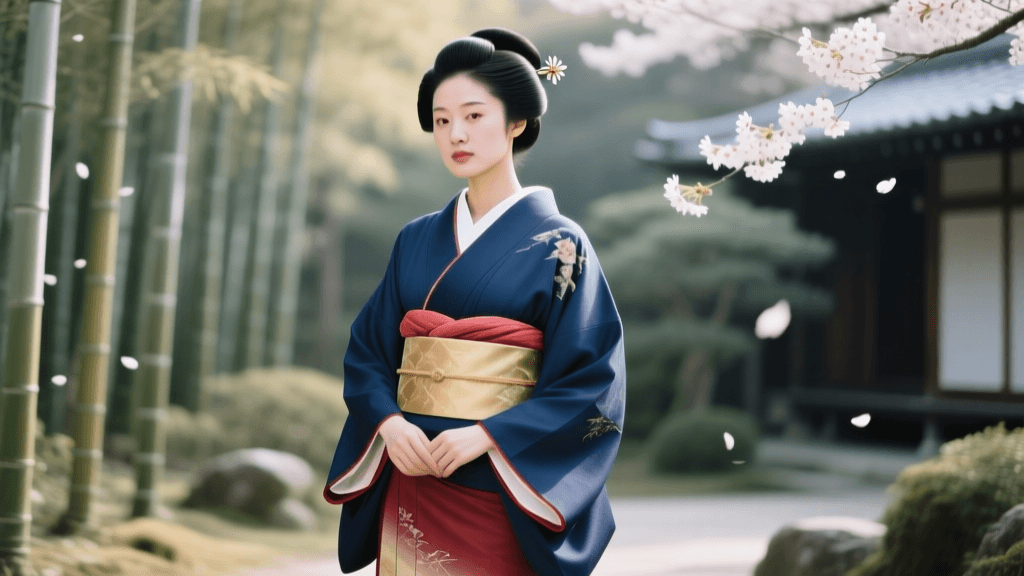
Murasaki Shikibu: The Original Heian Fashion Icon
When we examine the foundational aspects of traditional Japanese clothing, few historical figures cast a shadow as long as Murasaki Shikibu. Best known as the author of The Tale of Genji in the early 11th century, Murasaki was not merely a novelist; she was a meticulous observer and arbiter of Heian period (794–1185) court fashion. Her writings provide the most authoritative primary source on the intricate layering systems, textile seasonality, and color theories that defined the aristocratic elite of Kyoto. According to the Metropolitan Museum of Art's Heilbrunn Timeline of Art History, the Heian period was characterized by a profound refinement of aesthetics, where the subtle layering of silk garments became a visual language of status, seasonality, and poetic sensibility.
Murasaki’s legacy in fashion is intrinsically tied to the concept of miyabi (courtly elegance). In her era, a noblewoman’s beauty was rarely judged by her physical features, which were hidden behind screens and fans. Instead, her aesthetic worth was displayed through the hems of her robes spilling out from behind bamboo blinds. The careful selection of silk colors, the weight of the weave, and the precise spacing of layered collars were the ultimate markers of sophistication. Today, modern kimono enthusiasts, textile historians, and traditional artisans still look to Murasaki’s descriptions to understand the genesis of Japanese formal dress codes.
The Architecture of the Jūnihitoe (Twelve-Layer Robe)
The crown jewel of Heian fashion was the jūnihitoe, literally translating to the 'twelve-layer robe.' While the name implies exactly twelve layers, the actual number varied between ten and fifteen depending on the season, the wearer's rank, and the specific court occasion. The jūnihitoe was an architectural marvel of silk, designed not for mobility, but for stationary grace. The sheer weight and volume of the garments restricted movement, serving as a powerful status symbol that proved the wearer was exempt from any physical labor.
Understanding the anatomy of the jūnihitoe is essential for anyone studying historical Japanese layering systems. Below is a structured breakdown of the core layers, their functions, and their approximate historical weights.
| Layer Name | Japanese Term | Material & Weave | Function & Placement | Approx. Weight |
|---|---|---|---|---|
| Base Robe | Kosode | Plain silk crepe | Worn directly against the skin as the foundational undergarment. | 0.5 kg |
| Trousers | Nagabakama | Heavy patterned silk | Wide, pleated trousers with a train extending 1-2 meters past the feet. | 1.2 kg |
| Unlined Robe | Hitoe | Stiff, unlined silk | The first visible layer; its color sets the base tone for the ensemble. | 0.8 kg |
| Five-Layer Set | Itsutsuginu | Patterned silk twill | Five identically cut robes of varying colors, layered to create the collar effect. | 4.5 kg |
| Beaten Robe | Uchiginu | Stiffened, beaten silk | Provides structural volume and supports the heavier outer layers. | 1.5 kg |
| Outer Jacket | Uwagi | Silk brocade | The primary outer robe, featuring the most elaborate weaving and dyeing. | 1.8 kg |
| Short Jacket | Karaginu | Tang-style silk | A short, Chinese-inspired jacket worn over the Uwagi for formal court events. | 0.9 kg |
| Apron/Train | Mo | Sheer silk gauze | A long, pleated train tied at the waist, dragging elegantly behind the wearer. | 0.6 kg |
When fully assembled, a formal jūnihitoe could weigh upwards of 12 to 15 kilograms (26 to 33 pounds). The physical toll of wearing such garments meant that court ladies had to be trained in the specific, gliding gait required to move without tripping over the nagabakama or mo.
Kasane no Irome: The Poetry of Color Layering
Murasaki Shikibu’s writings frequently highlight the emotional and seasonal impact of kasane no irome (layered color combinations). Because the robes were cut to identical dimensions, the only way to display the inner layers was through the strategic spacing of the collars at the neckline and the hems at the sleeves and skirt. A master of Heian fashion would ensure that exactly 1.5 to 2 centimeters of each underlying layer was visible at the collar, creating a striped gradient effect.
These color combinations were strictly codified by season and carried deep poetic meanings. Wearing an autumn combination in the spring was considered a severe faux pas, akin to a modern fashion icon wearing winter tweed in July. Here are three foundational kasane combinations that remain influential in modern textile design:
- Spring (Cherry Blossom / Sakura): A pure white outer layer over a deep pink inner layer, mimicking the pale edges and dark centers of cherry blossoms.
- Autumn (Maple Leaves / Momiji): A vibrant crimson outer layer over a golden-yellow inner layer, representing the turning of the leaves in late November.
- Winter (Snow on Pine / Yuki-matsu): A stark white outer layer over a deep evergreen inner layer, evoking the image of fresh snow resting on pine branches.
Practical Guide: Experiencing Heian Layering Today
While the 15-kilogram jūnihitoe is no longer worn in daily life, its DNA survives in modern kimono dressing. For contemporary enthusiasts, there are two primary ways to engage with Murasaki’s layering legacy: participating in a historical rental experience or adapting the kasane aesthetic for modern kimono wear.
1. Renting the Jūnihitoe in Kyoto
For those wishing to experience the sheer scale of Heian fashion, Kyoto remains the epicenter for jūnihitoe rentals. Institutions like the Kyoto Costume Museum (Izuyo Senoku Hakuko Kan) and specialized studios in the Nishijin weaving district offer authentic dressing experiences.
- Cost: Expect to pay between ¥15,000 and ¥35,000 for a full 2-hour studio experience, which includes professional dressing, a commemorative photoshoot, and a guided explanation of the layers.
- Timing & Booking: Because authentic silk jūnihitoe are rare and require meticulous maintenance, you must book your session 60 to 90 days in advance. Allocate at least 45 to 60 minutes just for the dressing process.
- Measurements: Unlike modern kimono which are tailored to the individual, historical jūnihitoe are cut to standard, oversized dimensions to allow for the draping effect. Wearers of all heights can accommodate the robes, though the nagabakama length may require internal folding for those under 155 cm.
2. The Modern 'Haneri' Layering Trick
If you wear modern kimono or yukata, you can recreate the visual illusion of the itsutsuginu (five-layer set) without the crushing weight. This is achieved using haneri (decorative collars) attached to the nagajuban (undergarment).
- The Technique: Instead of sewing a single haneri to your nagajuban collar, attach three to four separate haneri using basting stitches or specialized fabric clips. Space each collar exactly 1.5 cm apart.
- Product Recommendations: Look for 'kasane-haneri' sets sold by Kyoto haberdashery brands like Itojin or Jubinya. These sets come pre-matched in traditional kasane colorways.
- Cost & Time: Individual silk or high-quality polyester haneri cost between ¥1,500 and ¥4,000 each. Attaching them takes roughly 10 minutes, allowing you to achieve a highly formal, historically inspired look with standard modern garments.
Murasaki’s Enduring Influence on Modern Formal Dress
The Victoria and Albert Museum's comprehensive guide to the Kimono notes that while the physical structure of the kimono evolved drastically from the Heian kosode to the Edo-period wrapped garment, the philosophical rules of color and seasonality established by Murasaki and her contemporaries remain untouched. Modern formal garments, such as the kurotomesode (black formal kimono for married women) and the homongi (visiting kimono), still rely on the Heian principle that the placement of dyed motifs and the color of the inner lining (the modern descendant of the hitoe) must harmonize with the natural world outside.
Murasaki Shikibu did not merely document the fashion of her time; she codified the Japanese aesthetic relationship with textiles. By understanding the jūnihitoe and the kasane no irome, modern wearers and designers can appreciate that traditional Japanese clothing is not just about the fabric on the outside, but the hidden, layered poetry that rests closest to the skin.