LDS Temple Garments in 2026: Meaning, Purpose & Traditions
Understanding the Sacred Role of Temple Garments
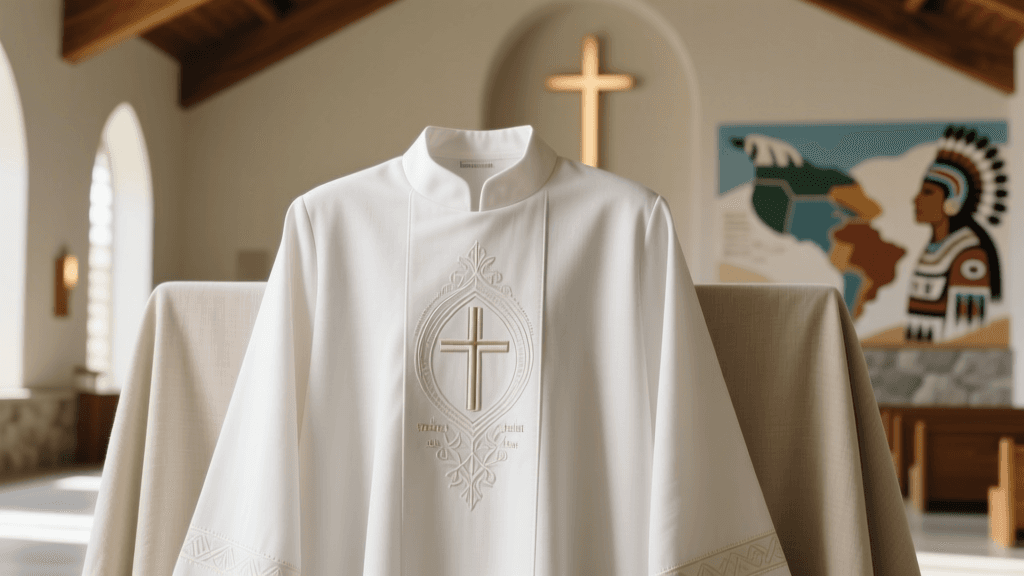
Within the diverse tapestry of religious dress across the Americas, few garments carry as much personal, spiritual, and cultural significance for their wearers as the temple garments of The Church of Jesus Christ of Latter-day Saints. Often referred to simply as 'garments' by members of the faith, these undergarments are worn by millions of adult Latter-day Saints globally. As of 2026, the intersection of sacred tradition and modern textile innovation has made these garments more accessible, comfortable, and adaptable to the varied climates of the Americas than ever before.
For members of the Church, the garment is not merely a piece of clothing; it is a profound spiritual symbol. To understand the meaning, purpose, and traditions surrounding LDS temple garments in 2026, one must look beyond the physical fabric and examine the covenants they represent, the historical evolution of their design, and how Indigenous and Latin American members integrate them into their daily lives and cultural dress.
The Sacred Meaning and Purpose
The primary purpose of the temple garment is to serve as a continuous, physical reminder of the sacred covenants (promises) made by members during the temple endowment ordinance. According to the official Church Newsroom, the garment 'provides a constant reminder of the covenants made in the temple and serves as a symbol of the wearer's commitment to follow Jesus Christ.'
It is a common misconception outside the faith that these garments are viewed as 'magic' or protective talismans. The Church explicitly clarifies that any spiritual protection associated with the garment is conditional upon the wearer's faithfulness and adherence to their covenants, not an inherent property of the cloth itself. The garment serves as a spiritual armor, encouraging modesty, mindfulness, and a daily connection to the divine. It is worn day and night, removed only for activities such as swimming, bathing, or intense athletics, making it an intimate and constant companion in the life of a faithful Latter-day Saint.
Historical Evolution: From Union Suits to Modern Textiles
The design of the temple garment has evolved significantly since its introduction in the 19th century. Early iterations were essentially one-piece union suits that extended to the wrists and ankles, reflecting the modesty standards and practical needs of pioneer-era Latter-day Saints in North America. Over the decades, as societal dress norms shifted and the Church expanded into tropical and diverse climates across Latin America and the Pacific, the garment adapted.
By the mid-20th century, the two-piece design (a separate top and bottom) became the standard, allowing for greater comfort and versatility. Leading into 2026, the Church's distribution centers offer a wide array of styles that cater to modern fashion silhouettes, diverse body types, and extreme weather conditions, ensuring that members can honor their covenants without compromising on physical comfort or cultural expression.
2026 Fabric Innovations and Styles
The year 2026 marks a high point in textile technology for religious clothing. The Church's distribution network now provides garments engineered for specific environments and lifestyles. Members living in the humid rainforests of Central America, the sweltering summers of the American South, or the high-altitude chill of the Andes all have access to specialized fabrics.
Modern garment tops feature various necklines—including crew, v-neck, scoop, and lace-trimmed options for women—while bottoms are available in varying inseam lengths, from brief-style to knee-length capris. The integration of moisture-wicking technology, antimicrobial treatments, and ultra-stretch modal blends has revolutionized the daily wearing experience.
2026 Garment Style and Fabric Comparison
| Fabric Type | Style Options | Best Suited For | Approx. 2026 Price (Per Piece) |
|---|---|---|---|
| 100% Cotton | Crew, V-Neck, Scoop | Everyday wear, temperate climates, sensitive skin | $8.50 - $10.00 |
| Modal / Spandex Blend | Stretch Crew, Lace, Scoop | Active lifestyles, form-fitting modern clothing | $10.50 - $12.50 |
| Cooling Mesh / Nylon | V-Neck, Capri, Brief | Tropical climates, high-heat outdoor labor, athletics | $11.50 - $14.00 |
| Cotton / Polyester Mix | Classic Crew, Mid-thigh | Durability, frequent washing, travel | $9.00 - $11.00 |
Purchasing Guidelines and Distribution in 2026
Unlike standard apparel, temple garments are not available in commercial retail stores. They are considered sacred items and are distributed exclusively through Church-owned channels. To purchase garments, a member must possess a current, valid temple recommend, which is issued by local ecclesiastical leaders and signifies the member's worthiness and commitment to Church teachings.
In 2026, members can purchase garments through several avenues:
- Online Distribution Store: The official Church Distribution Store allows members to order garments directly to their homes, with localized websites serving regions across North, Central, and South America.
- Local Distribution Centers: Physical stores located near temples and major Church hubs offer in-person fitting and purchasing.
- Deseret Book: Select Deseret Book retail locations maintain a dedicated, modesty-focused garment department.
Pricing is heavily subsidized by the Church to ensure accessibility for members globally, regardless of their economic status. A standard set (one top and one bottom) typically costs between $18.00 and $26.00 USD in 2026, depending on the fabric technology selected.
Care, Traditions, and Respectful Disposal
The traditions surrounding the care and disposal of temple garments reflect the reverence members hold for them. Garments are washed with regular laundry using standard detergents; there is no requirement for special or ritualistic cleaning methods. However, the manner in which they are treated during the washing process and beyond is guided by respect.
When a garment becomes worn out, torn, or unusable, it cannot simply be donated to a thrift store or thrown away whole. The established tradition requires the member to carefully cut out the sacred marks (the symbolic insignia embroidered or printed on the fabric). These marks are destroyed or disposed of respectfully. The remaining, unmarked fabric can then be discarded in the regular trash, or, if the material is still in good condition, repurposed for household cleaning rags. This careful disposal process ensures that the sacred symbols are never subjected to disrespect or commercial exploitation.
Cultural Intersections: Garments in Indigenous and Latin American Communities
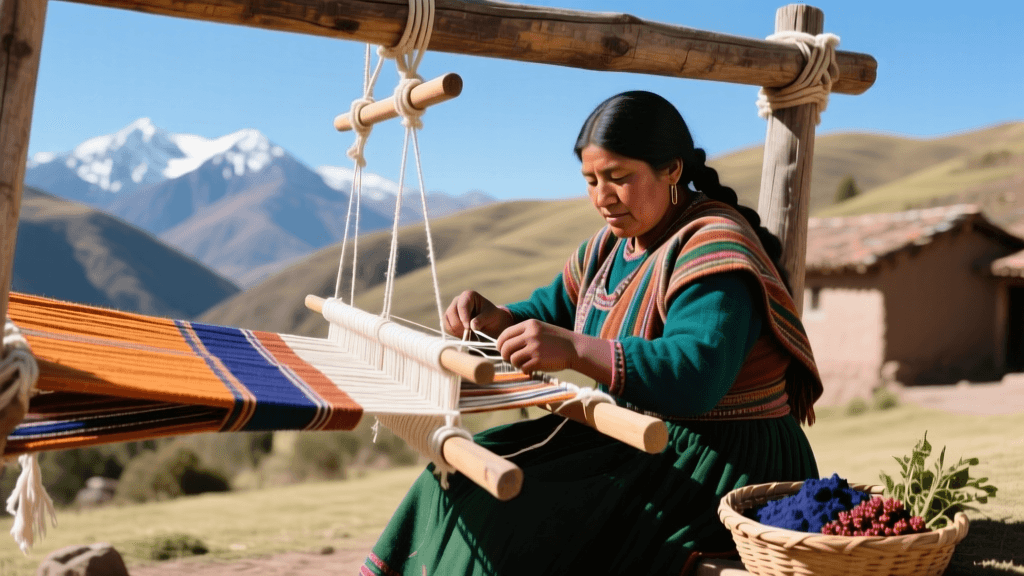
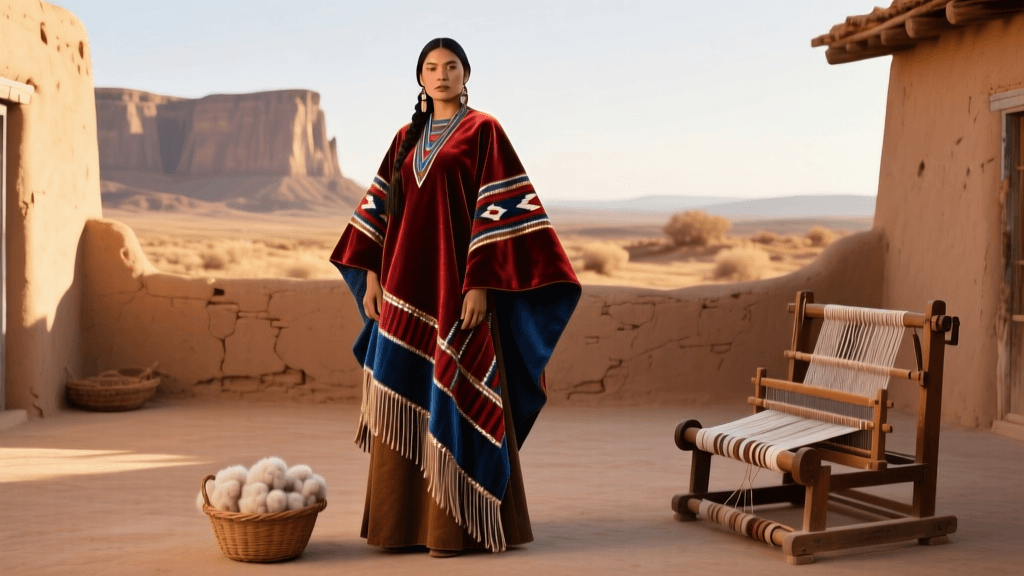
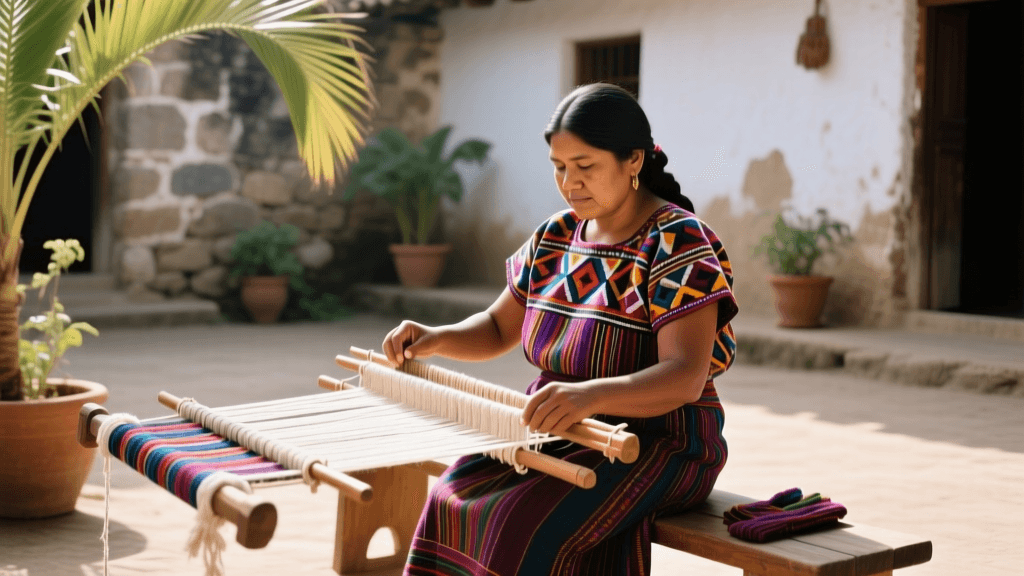
The Americas are home to a vast array of Indigenous cultures and vibrant Latin American textile traditions. For Indigenous Latter-day Saints—such as members of the Navajo Nation, the Maya in Guatemala, or the Quechua in Peru—navigating the intersection of traditional cultural dress and the modesty requirements of the temple garment presents a unique and beautiful cultural synthesis.
Traditional Indigenous regalia often features specific silhouettes, open-weave fabrics, or ceremonial designs that may not align with standard Western modesty norms (which typically require covering the shoulders, midriff, and upper thighs). The temple garment serves as a vital foundational layer that allows Indigenous members to participate fully in their cultural heritage without compromising their religious covenants.
For example, a Maya woman wearing a traditional, lightweight huipil (a woven tunic) can wear a cooling-mesh scoop-neck garment underneath, satisfying the Church's modesty guidelines while proudly displaying her ancestral textile artistry. Similarly, Native American men participating in powwows or tribal ceremonies can wear knee-length garment bottoms beneath their traditional ribbon shirts or dance regalia.
In Latin America, where the climate can be intensely hot and humid, the introduction of advanced cooling mesh and moisture-wicking fabrics in recent years has been a game-changer. Members working in agricultural fields in Mexico or navigating the bustling, sun-drenched streets of São Paulo can now maintain their sacred commitments without suffering from heat exhaustion. The Church's ongoing efforts to translate temple ordinances and provide culturally and climatically appropriate garments highlight a deep commitment to the global and diverse nature of its membership in 2026.
Conclusion
The LDS temple garment is far more than a historical artifact or a simple undergarment; it is a living, breathing testament to the faith of millions across the Americas and the world. As of 2026, the balance between sacred tradition and modern innovation ensures that these garments remain relevant, comfortable, and deeply meaningful. Whether worn beneath a business suit in New York, a traditional woven huipil in the highlands of Guatemala, or athletic wear on a hiking trail in the Rockies, the garment continues to serve its ultimate purpose: a quiet, constant reminder of a life dedicated to spiritual covenants and the teachings of Jesus Christ.