Diné Biil and Velvet Garments: 2026 Southwest Traditions
The Enduring Legacy of Diné Textile Arts
The American Southwest is home to some of the most recognizable and spiritually significant textile traditions in the world. At the heart of this region lies the Diné (Navajo) Nation, whose clothing and weaving practices have evolved over centuries while maintaining a profound connection to the land, spirituality, and community. As we navigate the cultural landscape in 2026, Diné garments—ranging from the traditional woven biil (rug dress) to the iconic velvet shirts and tiered skirts—represent a masterclass in resilience, adaptation, and Indigenous haute couture.
In 2026, the intersection of traditional knowledge and contemporary sustainable fashion has sparked a renaissance in Southwest Indigenous dress. Artisans are not only preserving ancestral techniques but are also innovating with eco-friendly materials, responding to climate shifts that affect natural dye harvesting, and showcasing their work on global runways and at premier events like the Santa Fe Indian Market. This guide explores the rich history, regional variations, and modern realities of Diné dress traditions, offering a comprehensive look at how these garments are created, worn, and sourced today.
The Biil: The Traditional Two-Piece Dress
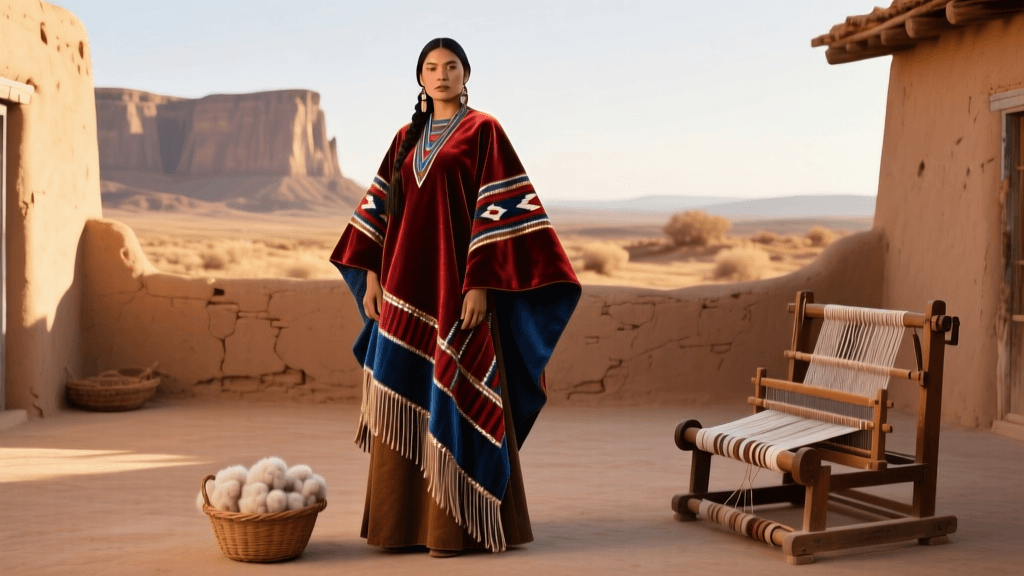
Long before the introduction of European trade goods, the Diné created clothing from the materials provided by their environment, including yucca fibers, cedar bark, and animal hides. However, the introduction of the Churro sheep by Spanish explorers in the 16th century fundamentally transformed Diné material culture. The biil, or traditional rug dress, is a direct descendant of this textile revolution. Woven on an upright loom made of ponderosa pine or cedar, the biil consists of two rectangular panels of handwoven wool that are tied together at the shoulders and belted at the waist.
The process of creating a biil is immensely labor-intensive and deeply spiritual. It begins with shearing the Navajo-Churro sheep, a heritage breed known for its long, low-lanolin fleece that is perfect for hand-spinning. In 2026, the revitalization of the Churro sheep population—following near-extinction events during the Long Walk of 1864 and the US government's stock reduction programs in the 1930s—has allowed a new generation of weavers to access premium, culturally significant wool. The fleece is washed, carded, and spun using a traditional wooden drop spindle before being dyed and woven.
Symbolism and the Teachings of Spider Woman
Weaving is not merely a craft for the Diné; it is a sacred practice taught by Na'ashjé'íí Asdzáá (Spider Woman). According to oral traditions, Spider Woman taught the Diné how to build the loom and weave the universe's beauty into textiles. Every biil created in 2026 still carries this spiritual weight. Weavers often incorporate a 'spirit line' (ch'ihónít'i')—a deliberate pathway woven from the center of the design to the edge of the textile. This line ensures that the weaver's spirit is not trapped within the intricate patterns and that their mind remains open to future creativity.
Natural dyes remain highly prized, though the ecological realities of the 2026 Southwest have prompted adaptations. Prolonged droughts have made wild harvesting of plants like rabbitbrush (for yellows and greens) and juniper berries (for browns and blacks) more difficult. Consequently, many master weavers now cultivate dedicated dye gardens or utilize ethically sourced, plant-based commercial dyes to reduce the ecological strain on the high desert landscape while maintaining the vibrant, earthy palette characteristic of Diné textiles.
The Velvet Era: Shirts, Blouses, and Skirts
While the biil represents ancient weaving traditions, the velvet garments worn by the Diné today speak to a history of trade, adaptation, and cultural reclamation. In the late 19th century, trading posts introduced cotton velvet and velveteen to the Navajo Nation. The Diné quickly adopted these rich, lustrous fabrics, tailoring them into garments that would become synonymous with Southwest Indigenous formal and ceremonial wear.
Men's Velvet Shirts and Concho Belts
The traditional Diné men's velvet shirt is a staple of powwow regalia, wedding attire, and formal cultural gatherings. Characterized by its high collar, long sleeves, and relaxed but dignified fit, the shirt is often adorned with silver buttons or conchos. In 2026, contemporary Diné silversmiths are experiencing a massive resurgence in demand for early sand-cast and tufa-cast silverwork. These shirts are frequently paired with heavy, hand-stamped silver concho belts and turquoise bolos, creating a striking silhouette that commands respect at any gathering.
Women's Tiered Skirts and Blouses
For Diné women, the velvet blouse and tiered skirt ensemble is a powerful marker of cultural identity. The skirt, often featuring multiple tiers of velvet or cotton calico trimmed with rickrack or ribbon, swishes elegantly during traditional dances like the Shoe Game or social round dances. The blouse typically features a high neckline, long sleeves, and a flared peplum. In 2026, Indigenous fashion designers within the Navajo Nation are modernizing these silhouettes—introducing tailored waists, sustainable crushed velvets, and subtle metallic embroidery—while strictly maintaining the modesty and traditional aesthetics required for ceremonial use.
Comparison of Diné Garments: Traditional vs. 2026 Contemporary Market
Understanding the market for authentic Diné clothing requires recognizing the difference between everyday cultural wear, ceremonial regalia, and high-end artisan pieces. The table below outlines the current landscape for buyers and collectors in 2026.
| Garment Type | Traditional Materials | 2026 Contemporary Adaptations | Primary Use | Estimated Artisan Cost (2026) |
|---|---|---|---|---|
| Biil (Rug Dress) | Handspun Churro wool, natural dyes | Organic commercial dyes, lightweight wool blends | Ceremonial, cultural events, powwows | $1,500 - $4,000+ |
| Velvet Shirt (Men) | Cotton velvet, silver conchos | Sustainable crushed velvet, recycled silver | Formal wear, powwow regalia, weddings | $400 - $1,200 |
| Tiered Skirt & Blouse | Cotton velveteen, rickrack | Upcycled fabrics, modern tailored fits | Everyday cultural wear, ceremonies | $300 - $800 |
| Moccasins (Kélchxózh) | Brain-tanned deer hide, rawhide soles | Commercially tanned buckskin, rubberized soles | Daily wear, dance regalia | $250 - $600 |
Footwear: The Art of the Moccasin
No traditional Diné outfit is complete without a pair of handmade moccasins, known as kélchxózh. Historically crafted from brain-tanned deer or elk hide with hardened rawhide soles made from bison or cowhide, these shoes were designed to protect the feet from the harsh, rocky terrain of the Colorado Plateau while allowing the wearer to feel a connection to the earth.
Today, Diné moccasins are often dyed a deep, rich rust or red color using commercial leather dyes or traditional plant-based stains. They are frequently adorned with intricate glass beadwork along the vamp or silver conchos. In 2026, while traditional rawhide soles are still preferred for ceremonial dancing, many artisans offer vulcanized rubber or heavy leather soles for everyday wear, blending ancestral craftsmanship with modern durability.
Sourcing Authentic Diné Garments in 2026
As the global appetite for Indigenous fashion grows, so does the unfortunate proliferation of mass-produced, culturally appropriated knock-offs. For buyers, collectors, and allies looking to acquire authentic Diné garments in 2026, it is crucial to purchase directly from Native artisans or verified Indigenous-owned cooperatives.
The Indian Arts and Crafts Board (IACB), a federal agency within the US Department of the Interior, strictly enforces the Indian Arts and Crafts Act, which makes it illegal to misrepresent goods as Native American-made. When shopping for a biil, velvet shirt, or silverwork, always look for documentation of the artist's tribal enrollment. According to the Navajo Nation Museum in Window Rock, supporting local weavers and silversmiths not only preserves the cultural heritage of the Diné people but also provides vital economic sustenance to rural communities across the reservation.
Furthermore, institutions like the Smithsonian National Museum of the American Indian frequently host exhibitions and publish directories of contemporary Native fashion designers. Attending premier events such as the Santa Fe Indian Market or the Heard Museum Guild Indian Fair & Market remains the most reliable way to meet artisans face-to-face, commission custom garments, and ensure your investment directly supports the continuation of these magnificent textile traditions.
Conclusion
The dress traditions of the Diné people are far from static relics of the past; they are living, breathing expressions of identity, survival, and artistic brilliance. From the rhythmic thumping of the wooden batten on an upright loom to the meticulous stamping of a silver concho, every garment tells a story of the Southwest. As we move through 2026, the continued dedication of Diné weavers, tailors, and jewelers ensures that the biil and the velvet shirt will remain powerful symbols of Indigenous pride for generations to come.