Mormon Temple Garments Guide 2026: History, Styles & Fit

Introduction to LDS Temple Garments in 2026
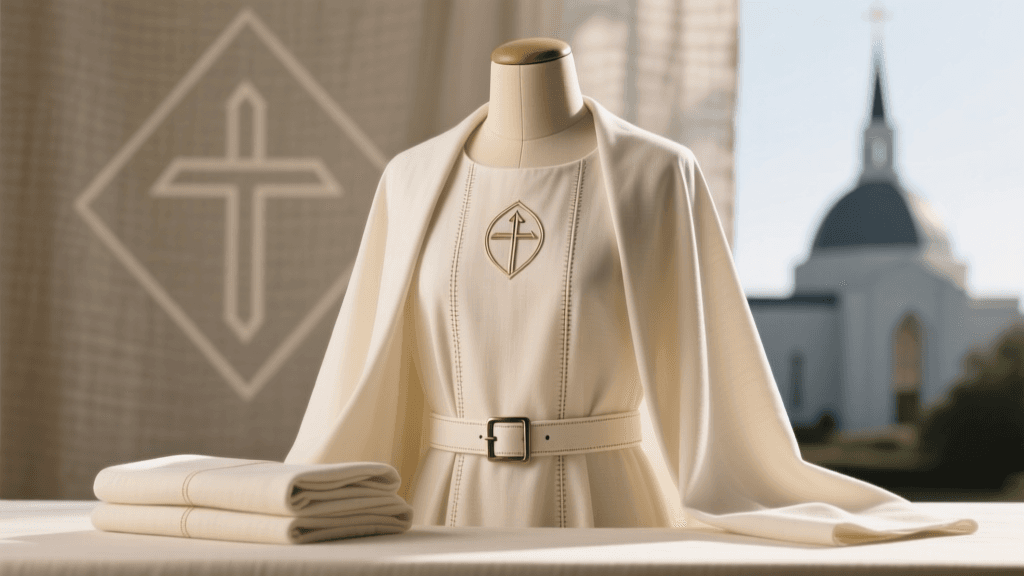
For members of The Church of Jesus Christ of Latter-day Saints (often referred to as the LDS or Mormon Church), the temple garment is a deeply sacred article of clothing. Worn beneath everyday attire, these garments serve as a constant, tangible reminder of the covenants made during the temple endowment ordinance. As we navigate 2026, the Church's distribution services have continued to refine the materials, cuts, and accessibility of these garments to meet the needs of a rapidly growing, global membership base. Whether you are a newly endowed member preparing to purchase your first set, or a seasoned member looking to understand the latest fabric technologies and fit options available this year, this comprehensive guide covers the history, theology, and modern practicalities of Mormon temple garments.
The Historical Evolution of Sacred Clothing
The origins of the temple garment trace back to the Nauvoo, Illinois period in the early 1840s. When the Prophet Joseph Smith first introduced the temple endowment, he also introduced the concept of sacred clothing. Early garments were heavily influenced by the undergarments of the 19th century, specifically the one-piece "union suit." These early iterations featured long sleeves, long legs, and a full-coverage design that extended from the neck to the ankles and wrists. They were typically made of heavy cotton or wool flannel, reflecting the practical needs of the era and the modesty standards of the time.
As the decades passed and the Church expanded globally, the practical need for more adaptable clothing became apparent. In the 1920s and 1930s, the Church authorized modifications that allowed for shorter sleeves and legs, acknowledging the shifting norms of mainstream fashion and the physical demands of modern labor. However, the garment remained a one-piece suit for many years. It was not until the late 1970s that the Church introduced the two-piece garment—comprising a t-shirt-style top and knee-length shorts—which remains the standard silhouette today. This transition drastically improved comfort, ease of laundering, and accessibility for members living in diverse climates around the world.
Theological Significance and Meaning
It is a common misconception among those outside the faith that temple garments possess magical properties or offer physical protection akin to armor. The Church explicitly clarifies this theology. According to the Gospel Topics Essays published by the Church, the garment is a reminder of covenants, an expression of faith, and a symbol of modesty. It serves as a spiritual shield, helping the wearer resist temptation and remain mindful of their promises to God. The markings woven or embroidered into the fabric are deeply symbolic, representing specific theological concepts related to the Atonement of Jesus Christ, divine guidance, and eternal life.
2026 Fabric Technologies and Style Options
In 2026, the Church Distribution catalog offers an impressive array of fabric technologies designed to accommodate everything from arctic winters to tropical humidity. The shift toward high-performance, breathable textiles over the last decade has culminated in a highly versatile lineup that ensures members do not have to compromise between their sacred commitments and physical comfort.
Top Fabric Choices for Modern Members
- Classic Cotton: The traditional choice. Made from 100% combed cotton, this fabric is soft, breathable, and ideal for temperate climates. It remains the most popular choice for everyday wear in North America.
- Stretch Cotton: A blend of cotton and spandex that provides a modern, athletic fit. This is highly favored by younger members, athletes, and those who prefer a garment that moves seamlessly with their body without bunching.
- Modacrylic: A specialized, flame-resistant synthetic blend. This is the mandatory choice for military personnel, first responders, and industrial workers where fire hazards are a daily concern. It is highly durable and retains its shape after repeated industrial laundering.
- Cool-Touch Mesh: A lightweight, porous synthetic fabric designed specifically for high-heat and high-humidity environments. With massive membership growth in Latin America and other tropical regions, the 2026 mesh options feature improved moisture-wicking properties and anti-microbial treatments to prevent odor.
- Nylon Active: A sleek, quick-drying fabric designed for high-output activities. It is exceptionally thin, making it virtually undetectable under tight-fitting modern clothing or formal wear.
Fabric Comparison Matrix
| Fabric Type | Material Blend | Best Climate / Use Case | Key 2026 Feature |
|---|---|---|---|
| Classic Cotton | 100% Combed Cotton | Temperate / Office Wear | Enhanced softness finish |
| Stretch Cotton | Cotton / Spandex | Active / Daily Mobility | Memory-stretch recovery |
| Modacrylic | Synthetic FR Blend | Military / Industrial | Lightweight FR certification |
| Cool-Touch Mesh | Polyester Micro-mesh | Tropical / High Humidity | Anti-microbial odor guard |
| Nylon Active | Nylon / Elastane | Athletics / Formal Wear | Ultra-thin moisture wicking |
Inclusive Sizing and Specialized Fits
One of the most significant areas of development in recent years has been the expansion of inclusive sizing and specialized cuts. As of 2026, the distribution centers offer a highly customized fit experience that respects the diverse bodies and life stages of the membership.
Women’s Specific Styles: Recognizing that a standard men's t-shirt cut does not accommodate women's fashion or anatomy, the Church now offers a wide variety of women's specific tops. These include cap sleeves, v-necks, rounded hems, and lower-cut necklines that remain hidden beneath modern women's blouses and dresses. Additionally, women's bottoms feature tailored hip ratios and varied inseam lengths to prevent riding up under skirts or slacks.
Maternity and Nursing: Expectant and nursing mothers have access to specialized garments featuring expandable abdominal panels and discreet nursing access points. These designs ensure that women can maintain their temple covenants comfortably throughout pregnancy and postpartum without the need for unsafe alterations.
Youth Garments: Following the lowered age of accountability for temple preparation, youth-specific garments are available for ages 11 to 18. These are scaled-down versions of the adult garments, designed to help youth prepare for their future endowment while maintaining modesty standards during their formative years.
How to Purchase and Size Your Garments
Purchasing temple garments is a restricted process, reserved exclusively for endowed members of the Church in good standing. To buy garments, members must possess a current, valid temple recommend. In 2026, the purchasing process is more streamlined than ever, integrating seamlessly with the Church's digital infrastructure.
Members can order directly through the official Church Distribution store online portal. The portal requires a secure login linked to the member's Church account, which automatically verifies their temple recommend status. The online sizing guide utilizes a highly accurate algorithmic fit-assistant, allowing users to input their height, weight, and preferred fit (snug vs. relaxed) to receive precise size recommendations. For those who prefer an in-person experience, physical Distribution centers located near temples worldwide offer private fitting rooms and expert staff who can measure and order custom sizes, including extended inseams and plus sizes that may not be stocked on the shelf.
Proper Care and Respectful Disposal
Caring for temple garments requires both practical laundry knowledge and spiritual mindfulness. While they do not require special, separate washing cycles in a modern washing machine, members are counseled to treat them with respect. They should be washed with standard detergents, though members are encouraged to avoid washing them alongside heavily soiled or chemically contaminated work clothes.
When a garment becomes worn, torn, or unusable, it cannot simply be thrown in the trash or donated to a thrift store. The Church provides strict guidelines for respectful disposal. The sacred markings must be carefully cut out and destroyed so they are no longer recognizable. Once the marks are removed, the remaining fabric can be discarded in the household trash, or, if the fabric is still in good condition, it can be repurposed into cleaning rags or other non-apparel household items. As outlined in a foundational Ensign magazine article, the focus of disposal is ensuring that the sacred symbols are never subjected to public view or commercial misuse.
Conclusion
The Mormon temple garment is far more than a piece of fabric; it is a deeply personal, sacred anchor for millions of Latter-day Saints worldwide. The evolution of the garment from the heavy, one-piece union suits of the 1840s to the high-tech, inclusive, and climate-adaptive options available in 2026 demonstrates the Church's commitment to making sacred covenants accessible and practical for a global membership. By understanding the rich history, utilizing the modern fabric technologies, and following the guidelines for respectful care and purchase, members can fully embrace the spiritual protection and daily reminder that the temple garment provides.