Mormon Temple Garments 2026: Complete History & Style Guide
Introduction to Mormon Temple Garments
For members of The Church of Jesus Christ of Latter-day Saints, temple garments represent a deeply sacred and personal aspect of their faith. Often referred to simply as garments or Mormon underwear by those outside the faith, these garments are much more than basic clothing. They serve as a constant, physical reminder of the covenants made inside Latter-day Saint temples. As we navigate the year 2026, the design, fabric technology, and accessibility of these garments have evolved significantly to meet the needs of a global, diverse membership while strictly maintaining their sacred symbolism and required coverage.
This comprehensive guide explores the rich history of LDS temple garments, their theological meaning, the modern 2026 styles available, and a practical guide to purchasing and caring for them in the modern era.
The Historical Evolution of the Sacred Garment
The origins of the Mormon temple garment trace back to the early 1840s in Nauvoo, Illinois. Before his death in 1844, the founding prophet Joseph Smith introduced the temple endowment ceremony to a small group of close associates. As part of this sacred ordinance, participants were clothed in specific ceremonial robes and given a foundational undergarment. These early garments were essentially one-piece union suits, made of heavy cotton or linen, extending to the wrists and ankles. They featured specific woven marks that held deep theological significance, representing the covenants made with God.
Following the westward migration to the Salt Lake Valley under the leadership of Brigham Young, the garment became a standard element of the endowment experience for adult members. Throughout the late 19th and early 20th centuries, the garment remained a one-piece suit. However, as societal clothing norms shifted dramatically after World War I, the practicality of the one-piece garment in modern, warmer, and more fitted clothing became a challenge for members.
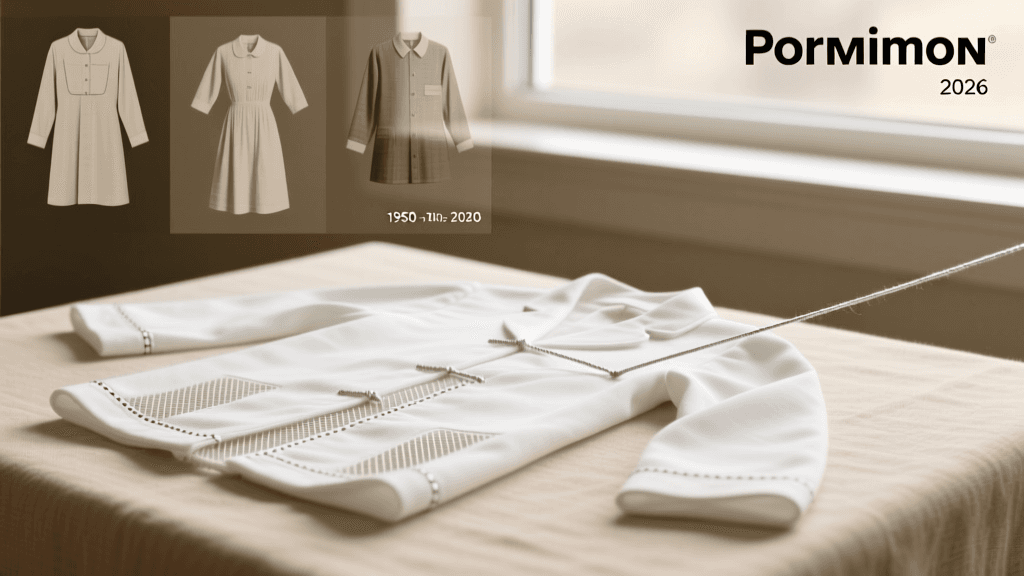
In the 1920s, under the direction of Church President Heber J. Grant, the Church authorized the transition from a one-piece suit to a two-piece garment consisting of a separate top and bottom. This was a monumental shift that allowed members to participate in modern society and physical activities while still honoring their sacred covenants. The length of the sleeves and legs was gradually adjusted over the decades to align with contemporary modesty standards, eventually settling into the modern t-shirt and knee-length short design that forms the baseline for today's garments.
Theological Meaning and Symbolism
To understand the garment, one must understand its purpose. According to the General Handbook of the Church, garments are worn by endowed members as a reminder of their sacred temple covenants. They are considered a form of spiritual armor, providing a protective influence against temptation and evil.
The marks woven or printed into the fabric are not magical talismans, but rather profound symbols associated with the Atonement of Jesus Christ, divine guidance, and the eternal nature of the soul. Because of their sacred nature, members are counseled to treat the garments with the utmost respect. They are not to be displayed, discussed casually with those who do not understand their significance, or altered in any way that removes or distorts the sacred marks.
2026 Garment Styles and Fabric Innovations
The year 2026 marks a high point in garment fabric technology and inclusive design. The Church Distribution network now offers a wide array of fabrics and cuts designed to accommodate different climates, body types, and modern fashion silhouettes. While the sacred marks and minimum coverage requirements remain strictly unchanged, the delivery method has become highly advanced.
Standard and Performance Fabrics
Members in 2026 can choose from several primary fabric blends, each engineered for specific environmental and lifestyle needs:
- Cotton: The traditional choice. Breathable, durable, and soft, though it retains moisture and can be warm in tropical climates.
- Modacrylic: A synthetic blend that is inherently flame-resistant. It is highly favored by military personnel, firefighters, and those working in hazardous environments.
- Ultra-Light Mesh: Introduced in recent years and perfected for the 2026 catalog, this fabric features strategic mesh paneling and moisture-wicking synthetic threads. It is the top choice for members living in hot, humid climates or those who engage in heavy physical labor.
- Stretch Cotton: A blend of cotton and spandex that provides a form-fitting, athletic cut. It prevents bunching under modern, tailored clothing and is highly popular among younger members and athletes.
The Integration of Women-Specific Styles
One of the most significant developments in recent years, which is now fully standardized in the 2026 purchasing catalog, is the introduction and expansion of garment styles designed specifically for women. Recognizing that modern women's professional and casual clothing often features varied necklines and sleeve lengths, the Church introduced women-specific tops featuring cap sleeves, rounded hems, and lower V-neck or scoop-neck cuts.
These 2026 designs allow women to wear contemporary blouses, dresses, and professional attire without the garment showing, all while maintaining the required sacred coverage. The rounded hems also prevent the tops from riding up, offering greater comfort and mobility throughout the day.
2026 Garment Style Comparison Chart
| Fabric / Style | Best Use Case | 2026 Price (Approx. per piece) | Key Features |
|---|---|---|---|
| Classic Cotton | Everyday wear, traditional fit | $8.00 - $9.00 | Highly breathable, durable, standard cut |
| Modacrylic Blend | Military, first responders, winter | $9.50 - $10.50 | Flame-resistant, warm, soft texture |
| Ultra-Light Mesh | Hot climates, summer, athletics | $10.00 - $11.00 | Moisture-wicking, mesh cooling zones |
| Stretch Cotton | Active lifestyles, tailored clothing | $10.50 - $11.50 | Spandex blend, form-fitting, anti-bunching |
| Women's V-Neck / Cap | Modern women's fashion, layering | $9.00 - $10.00 | Lower neckline, cap sleeve, rounded hem |
Purchasing Guide for 2026
Purchasing temple garments is a restricted process, as they are not sold to the general public. According to Church policy, only members who have received their own endowment in a Latter-day Saint temple and who hold a current, valid temple recommend are authorized to purchase garments. This policy is strictly enforced to maintain the sacred nature of the clothing.
Where to Buy
In 2026, members have three primary avenues for purchasing garments:
- Online Distribution Store: The most convenient method is through the official Church Distribution online store. Members log in using their Church Account, which is automatically linked to their membership record and temple recommend status. The 2026 online interface allows for easy filtering by fabric, cut, and size, with direct shipping to homes in over 50 countries.
- Physical Distribution Centers: Located near most temples and in many major metropolitan areas, these brick-and-mortar stores allow members to feel the fabrics and try on sizing samples before purchasing.
- Deseret Book: While primarily a retailer for books and general merchandise, select flagship Deseret Book locations feature a dedicated, private garment room where authorized members can purchase garments in person.
Sizing and Fit
Proper fit is essential for both comfort and the respectful wearing of the garment. The 2026 sizing charts have been expanded to include more inclusive sizing, ranging from extra-small to 5XL, with specific maternity cuts available. The garment top should fit comfortably across the shoulders without pulling, and the bottoms should reach the knee. Members are counseled not to buy garments that are excessively tight or excessively loose, as both can cause discomfort and premature wear.
Care, Maintenance, and Respectful Disposal
Because of their sacred nature, garments require specific care. They should be washed and dried with regular laundry, though members are encouraged to treat them respectfully during the laundering process. It is recommended to wash garments in cold or warm water and tumble dry on low to preserve the elasticity of the 2026 stretch fabrics and prevent the shrinking of cotton blends.
When a garment becomes worn, torn, or stained beyond use, it cannot simply be thrown into the trash or donated to a thrift store. The Church mandates a respectful disposal process. Members must carefully cut out the sacred marks from the fabric. The destroyed marks should be disposed of privately, while the remaining fabric can be cut up and thrown away, or repurposed as cleaning rags for use within the home. This ensures that the sacred symbols are never exposed to public view or treated with disrespect.
Conclusion
The Mormon temple garment is a profound expression of faith, commitment, and personal devotion. As of 2026, the integration of advanced textile engineering and thoughtful, gender-specific designs has made it easier than ever for Latter-day Saints to honor their covenants in a modern, fast-paced world. By understanding the deep historical roots and utilizing the modern purchasing resources provided by the Church, members can ensure they are equipped with garments that offer both spiritual protection and physical comfort in their daily lives. For more information on temple preparation and worthiness standards, members are encouraged to review the official temple preparation guidelines provided by the Church.