Hanfu Travel Wardrobe 2026: Packing Essentials & Destination Styling
The Rise of the Global Hanfu Traveler in 2026
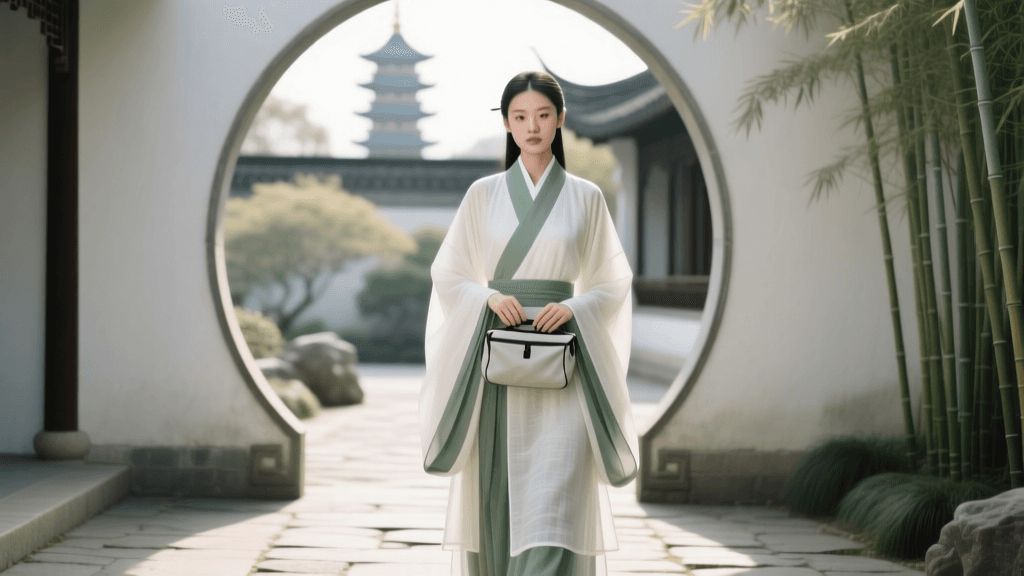
As we navigate the global travel landscape of 2026, the Hanfu movement has beautifully transcended domestic borders and digital screens. Enthusiasts are no longer just wearing traditional Chinese garments for local photoshoots; they are integrating them into international travel itineraries, cultural exchange programs, and global fashion weeks. However, traveling with Hanfu presents a unique logistical challenge. The voluminous silhouettes, delicate pleats of the Mamianqun (horse-face skirt), and intricate layering systems require a strategic approach to packing and garment care.
Whether you are preparing for a spring excursion to Kyoto, a fashion-forward street style tour in Paris, or a heritage retreat in Southeast Asia, building a functional Hanfu travel wardrobe is essential. This comprehensive guide explores the 2026 best practices for modular packing, advanced wrinkle-resistant textiles, and destination-specific styling, ensuring your traditional garments arrive in pristine condition and are perfectly suited to your environment.
Building a Modular Hanfu Travel Wardrobe
The secret to a successful travel wardrobe lies in modularity. Unlike rigid, single-use ceremonial ensembles, a travel-friendly Hanfu collection relies on interchangeable separates that can be mixed, matched, and layered according to the weather and occasion. According to the historical precedents documented by the Metropolitan Museum of Art's Heilbrunn Timeline of Art History, traditional Chinese clothing has always embraced a system of layered, adaptable separates—a concept that perfectly aligns with modern capsule wardrobe principles.
The Core 2026 Travel Capsule
- Two Mamianqun (Horse-Face Skirts): Pack one in a versatile neutral tone (like champagne, slate grey, or deep navy) and one with a subtle, tonal jacquard pattern. The flat, unpleated front and back panels of the Mamianqun make it surprisingly easy to fold without ruining the side pleats, provided you use the right folding technique.
- Three Tops (Shan and Ao): Include one cross-collared short-sleeve top for warm days, one round-collared long-sleeve base layer, and one Song-style Beizi (open-front jacket) that can double as a light outerwear piece for breezy evenings or air-conditioned museums.
- One Pair of Modernized Song Pants: Wide-leg, pleated trousers are invaluable for long transit days or active sightseeing where a full skirt might be cumbersome.
- Accessories: Pack two versatile Yunjian (cloud shoulders) to instantly elevate a simple top-and-skirt combo into evening wear, alongside a selection of minimalist hair sticks and silk ribbons.
Fabric Selection: Beating the Wrinkle Factor
The greatest enemy of the traveling Hanfu enthusiast is the suitcase wrinkle. While pure silk and raw linen offer unmatched historical authenticity and breathability, they are notoriously difficult to maintain on the road. Fortunately, textile innovations in 2026 have provided exceptional alternatives that honor traditional aesthetics while offering modern resilience.
Top Travel-Friendly Fabrics for 2026
- Memory-Crepe Polyester Blends: High-density crepe weaves mimic the drape and matte finish of silk crepe de chine but possess 'memory' properties that allow them to bounce back to their original shape after being compressed in luggage.
- Tencel-Linen Blends: For summer travel, Tencel-linen offers the cooling, moisture-wicking properties of pure linen but with a significantly softer drape and a reduced tendency to hold deep creases.
- Textured Jacquard Weaves: Fabrics with raised, woven patterns naturally camouflage minor wrinkles far better than flat, solid-colored satins. Opt for small-scale, tonal floral or geometric motifs for maximum versatility.
When shopping for your travel pieces, always perform the 'crush test': tightly ball up a corner of the fabric in your fist for ten seconds, then release it. If the wrinkles fall out within a minute, it is a prime candidate for your travel wardrobe.
Destination-Specific Styling Guide
Adapting your Hanfu to your destination's climate and cultural backdrop is key to a harmonious travel experience. Here is how to style your modular wardrobe for three popular 2026 travel archetypes.
Kyoto and Nara: Ming Dynasty Elegance
Walking through the bamboo groves or temple gardens of Japan calls for the structured elegance of Ming Dynasty silhouettes. Pair a high-collared, long-sleeved Ao with a heavy, floor-length Mamianqun. The structured collars and cuffs mirror the refined aesthetics of traditional Japanese kimono, creating a beautiful visual dialogue between the two cultures. Bring a wool-blend Pifeng (cape) for chilly spring mornings, which can be easily rolled up and stored in your day bag as the sun warms the temple grounds.
Paris and Milan: Song Dynasty Minimalism
European fashion capitals appreciate clean lines and understated luxury. The Song Dynasty aesthetic—characterized by slender silhouettes, narrow sleeves, and muted, earthy color palettes—is perfect for navigating cobblestone streets and attending gallery openings. Style a pleated Song skirt with a tailored, mandarin-collared top, and layer a sheer, floor-length Beizi over the ensemble. This creates a flowing, trench-coat-like effect that pairs beautifully with modern leather loafers and structured handbags.
Southeast Asia: Tang Dynasty Breeziness
For the tropical humidity of Singapore, Bali, or Bangkok, heavy layers are out. Embrace the vibrant, cosmopolitan spirit of the Tang Dynasty. Opt for lightweight, short-sleeved Banbi (half-arm vests) worn over sheer, wide-sleeved tops and high-waisted, chest-tying skirts (Qixiong Ruqun). Choose bright, botanical prints in ultra-lightweight Tencel blends that catch the ocean breeze and dry quickly if caught in a sudden tropical downpour.
Essential Packing Gear & Luggage Strategy
How you pack is just as important as what you pack. Traditional garment bags are too bulky for modern carry-on restrictions, and standard packing cubes often crush delicate pleats. The historical preservation techniques outlined by the Victoria and Albert Museum's archive on Chinese dress emphasize the importance of proper storage to maintain textile integrity—a principle that applies to your suitcase just as much as a museum vault.
| Packing Gear | Best Used For | 2026 Top Recommendation |
|---|---|---|
| Tri-Fold Garment Folder | Mamianqun and long Beizi jackets. Keeps pleats aligned and prevents lateral shifting. | Eagle Creek Pack-It Garment Folder (with tissue paper interlacing) |
| Compression Packing Cubes | Modernized Hanfu pants, base layers, and undergarments. Saves up to 40% of luggage space. | Peak Design Compression Cubes (Medium) |
| Silk Organza Dust Bags | Accessories, Yunjian, and delicate silk ribbons. Prevents snagging and dust accumulation. | Reusable drawstring organza pouches (multi-pack) |
| Portable Steamer | On-the-go wrinkle release. Essential for hotel room touch-ups before heading out. | Steamery Cirrus No.3 (Hybrid Steamer & Iron) |
The Mamianqun Folding Technique
Never roll a Mamianqun, and never fold it directly across the pleats. Lay the skirt flat, align the front and back flat panels perfectly, and fold it vertically along the natural pleat lines. Place acid-free tissue paper between the folds to reduce friction and prevent permanent creasing, then place it in a tri-fold garment folder.
On-the-Go Garment Care and Maintenance
Even with the best packing strategies, garments will need refreshing upon arrival. When navigating international flights and security checkpoints, adhering to TSA packing guidelines ensures your portable garment care tools won't be confiscated at the gate.
Steaming vs. Ironing
Avoid traditional hotel irons at all costs; the direct, high heat can melt modern synthetic blends and leave a permanent shine on dark jacquard fabrics. Instead, invest in a high-quality, dual-voltage portable steamer. The Steamery Cirrus No.3 is a 2026 traveler favorite because its heated faceplate allows it to function as a light press for stubborn collar creases while primarily using gentle steam for the body of the garment.
Dealing with Hard Water and Static
Many European and historical destinations have hard water, which can leave white mineral deposits on your dark Hanfu when steaming. Always use distilled water, which is easily purchased at local pharmacies, or bring a small bottle of demineralized water from home. Additionally, the dry air of airplane cabins and air-conditioned hotels can cause severe static cling, especially in polyester skirts. Pack a travel-sized bottle of anti-static spray, or lightly mist your garments with a mixture of water and a single drop of fabric softener before heading out for the day.
Conclusion
Traveling with Hanfu in 2026 is a rewarding endeavor that bridges the gap between historical reverence and modern globetrotting. By curating a modular capsule wardrobe, investing in advanced wrinkle-resistant textiles, and utilizing specialized packing gear, you can ensure that your traditional garments remain as vibrant and structured on the streets of Paris as they are in the temples of Kyoto. Embrace the journey, respect the heritage, and let your destination wardrobe tell a story that spans centuries and continents.