The Modern Yukata: A Practical Guide to Casual Summer Styling
The Evolution of the Yukata: From Bathhouse to Boulevard
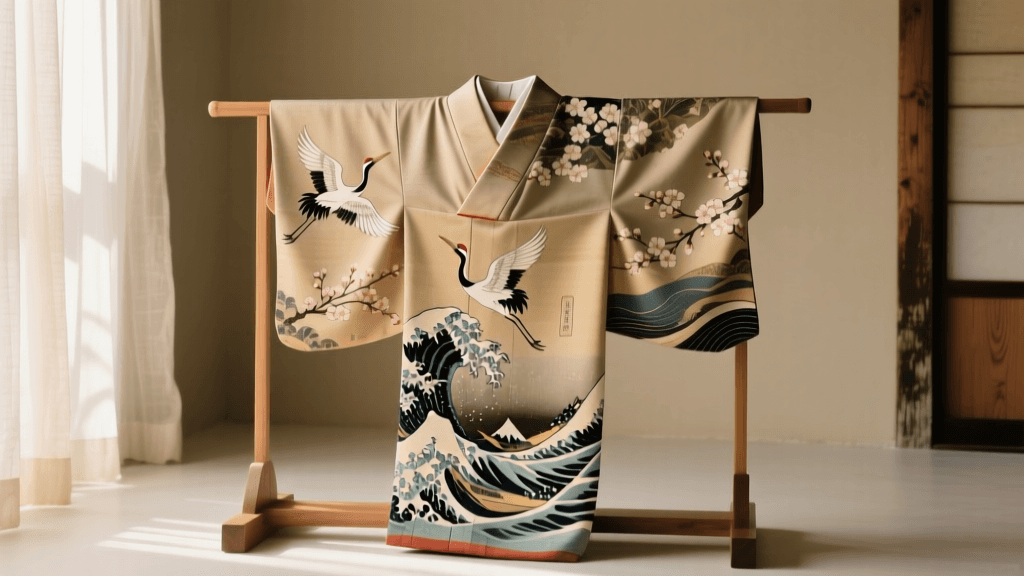
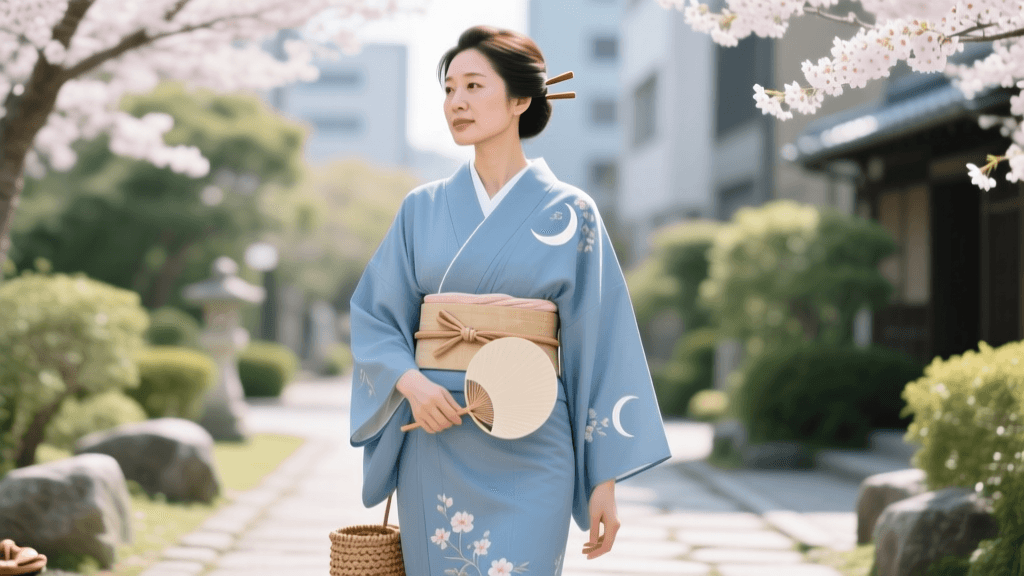
When discussing everyday and casual traditional wear in Japan, no garment is as iconic, accessible, and widely embraced as the yukata. Originally conceived in the Heian period (794–1185) as the yu-katabira—a lightweight linen robe worn by nobility to and from steam baths—the yukata has undergone a radical transformation. By the Edo period (1603–1867), as public bathhouses became cultural hubs and cotton cultivation flourished, the yukata transitioned into everyday streetwear for the working class. Today, it stands as the ultimate symbol of casual Japanese summer fashion, worn at fireworks festivals (hanabi taikai), hot spring resorts (onsen), and even as stylish loungewear.
According to the Metropolitan Museum of Art's Heilbrunn Timeline of Art History, the democratization of cotton textiles in the Edo period was pivotal in shifting Japanese dress from rigid, class-based silk garments to more practical, everyday cotton wear. This historical pivot is exactly why the yukata remains the most approachable entry point into Japanese traditional clothing today.
Yukata vs. Kimono: Understanding the Casual Distinction
To effectively incorporate traditional garments into a casual, modern wardrobe, one must understand the functional differences between a yukata and a formal kimono. While both share a similar T-shaped silhouette, their construction, materials, and required accessories differ vastly.
| Feature | Yukata (Casual) | Kimono (Formal/Semi-Formal) |
|---|---|---|
| Material | Cotton, hemp, or synthetic blends | Silk, wool, or high-end synthetics |
| Undergarments | Worn directly over standard undergarments or a simple hadajuban | Requires multiple layers, including nagajuban (full-length under-robe) |
| Collar Style | Single, narrow collar | Wide collar, often layered to show the under-robe's collar |
| Footwear | Bare feet in geta (wooden clogs) or modern sandals | Tabi (split-toe socks) required with zori sandals |
| Average Cost (USD) | $30 – $120 | $200 – $2,000+ |
Getting the Perfect Fit: Sizing and Measurements
Unlike Western clothing, traditional Japanese garments are not sized by chest or waist measurements. Instead, the yukata relies on two critical dimensions: Mitake (back length) and Yuki (sleeve span). Because the waist is adjusted using tying cords, the garment is essentially 'one-size-fits-most' in width, making length the primary factor for a proper fit.
How to Measure Your Yuki
The yuki is measured from the center of the back of your neck, across the shoulder, and down to your wrist bone. To find your ideal yukata yuki:
- Stand straight and extend one arm horizontally to the side.
- Measure from the prominent bone at the base of your neck (C7 vertebra) to your wrist.
- For a traditional, elegant drape, add 2 to 4 centimeters to this measurement. The sleeve should ideally cover the wrist bone but not completely hide the hands.
How to Measure Your Mitake
The mitake is the length of the garment from the base of the neck to the hem. For a modern, casual look, the hem should fall right at the ankle bone. Measure from the C7 vertebra down to your ankle. Standard ready-to-wear yukata usually have a mitake of 130cm (approx. 51 inches), which fits individuals between 155cm and 165cm (5'1" to 5'5") in height.
The Essential Casual Starter Kit (with Cost Breakdown)
Transitioning into everyday traditional wear doesn't require a massive investment. The Victoria and Albert Museum's extensive kimono archives showcase how historical commoners utilized minimal accessories to maximize their cotton garments. Here is a practical, budget-friendly starter kit for modern casual wear:
- Cotton Yukata ($30 - $80): Look for indigo-dyed (aizome) or modern geometric prints for versatile, everyday styling.
- Hanhaba Obi ($15 - $40): A 'half-width' obi (approx. 15cm wide) made of cotton or polyester. It is soft, easy to tie without assistance, and perfect for casual outings.
- Koshihimo ($5 - $10 for a pack of 3): Thin cotton or silk tying cords used to secure the garment at the waist and chest before applying the obi.
- Datejime ($10 - $20): A wide, elasticized belt that wraps around the ribs to keep the collar flat and prevent the yukata from shifting during movement.
- Geta or Modern Sandals ($15 - $30): Traditional wooden geta are iconic, but for everyday walking, many modern wearers opt for cushioned leather sandals or even clean, minimalist sneakers.
Total estimated startup cost: $75 - $180 USD.
Step-by-Step: Tying a Casual Bunko Obi
The most common and practical knot for casual yukata is the Bunko Musubi (library bow). It is secure, relatively flat (making it comfortable for sitting or leaning against chairs), and takes about 3 to 5 minutes to tie once you build muscle memory.
- Preparation: Wrap your hanhaba obi around your waist over the secured yukata. Leave a 'tail' (tesaki) of about 40cm (16 inches) in the front, and wrap the longer end around your back to the front again.
- The First Tie: Cross the long end over the short tail at your center front and pull tightly to secure the waist. Tuck the short tail up into the wrapped obi to keep it out of the way.
- Making the Bow: Take the long end and fold it into an accordion-style pleat to create the 'wings' of the bow. Pinch the center tightly.
- The Ribbon: Use the short tail you tucked away earlier. Pull it down over the pinched center of the bow, wrap it tightly around the back, and tuck the end securely into the obi layers at your back.
- Final Adjustment: Rotate the entire obi clockwise so the bow sits squarely in the center of your back. Adjust the collar at the front to ensure a neat, flat 'V' shape at the nape of the neck.
"The beauty of the yukata lies in its impermanence and accessibility. It is a garment meant to be lived in, washed, and worn again, bridging the gap between ancient aesthetics and modern daily life."
Contemporary Styling: Blending Tradition with Modernity
Wearing a yukata in a contemporary, global context doesn't mean you must adhere strictly to Edo-period rules. Modern Japanese street fashion frequently blends traditional garments with everyday Western accessories. Here are actionable tips for styling your yukata for casual, everyday environments:
Layering with a Haori
As summer evenings cool down, or if you wish to wear your cotton garment in early autumn, layer a haori (a traditional hip- or thigh-length jacket) over your yukata. A sheer, mesh ro or sha haori adds a sophisticated, textured layer without causing overheating. Leave the haori open; it is secured casually with a decorative haori himo (braided cord) or simply allowed to flow.
Modern Footwear and Bags
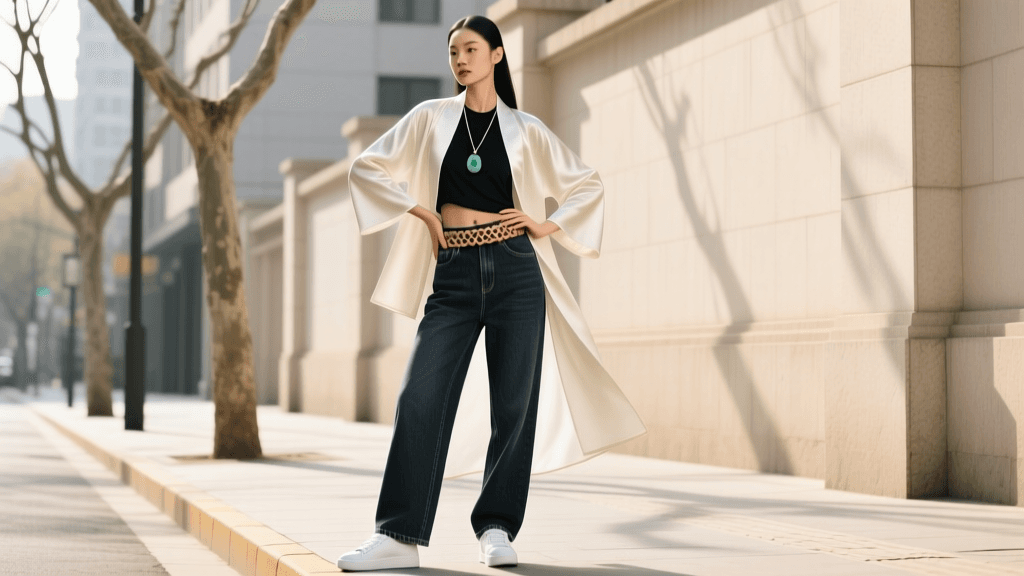
While geta are traditional, they can be impractical for navigating modern city streets or subway grates. It is entirely acceptable in casual settings to pair a yukata with high-quality leather strappy sandals, espadrilles, or even pristine, low-profile white sneakers. For bags, forego the traditional kinchaku (drawstring pouch) if you need to carry a laptop or daily essentials; a structured leather tote or a woven rattan crossbody bag complements the cotton texture of the yukata beautifully.
Hair and Accessories
Keep hair swept up to expose the nape of the neck—a traditionally elegant focal point in Japanese dress. Instead of formal kanzashi (ornate hairpins), use minimalist metal hair clips, tortoiseshell barrettes, or a simple silk ribbon. For jewelry, delicate gold or silver pieces work best; avoid heavy, chunky necklaces that compete with the yukata's collar line.
Care and Maintenance for Everyday Wear
One of the primary advantages of the casual yukata is its ease of maintenance. Unlike silk kimono, which require expensive professional dry cleaning (arai-hari), modern cotton and synthetic yukata can be washed at home.
- Washing: Hand wash in cold water using a mild, pH-neutral detergent. If using a machine, fold the garment neatly, place it in a mesh laundry net, and use the delicate cycle with cold water to prevent dye bleeding and fabric warping.
- Drying: Never use a tumble dryer. Smooth out the seams and hang the yukata to dry in a shaded, well-ventilated area. Direct sunlight will fade the vibrant dyes, particularly traditional indigo.
- Ironing: Iron on a medium setting while the fabric is still slightly damp, focusing on the collars, sleeves, and hem to maintain crisp, structural lines.
- Storage: Fold along the original seam lines to prevent permanent creasing. Store in a cool, dry place with a desiccant packet to protect against humidity and mold.
Conclusion
The yukata is more than a relic of Japanese history; it is a living, breathing garment that adapts to the needs of the modern wearer. By understanding proper sizing, mastering a few simple tying techniques, and embracing contemporary styling, anyone can integrate this beautiful piece of Asian tradition into their everyday casual wardrobe. Whether you are attending a summer festival, enjoying a casual dinner, or simply lounging at home, the yukata offers an unparalleled blend of cultural richness, breathability, and effortless style.