2026 Neo-Cheongsam Trends: Global Fashion Media Styling Guide
The 2026 Editorial Shift: From Costume to Couture
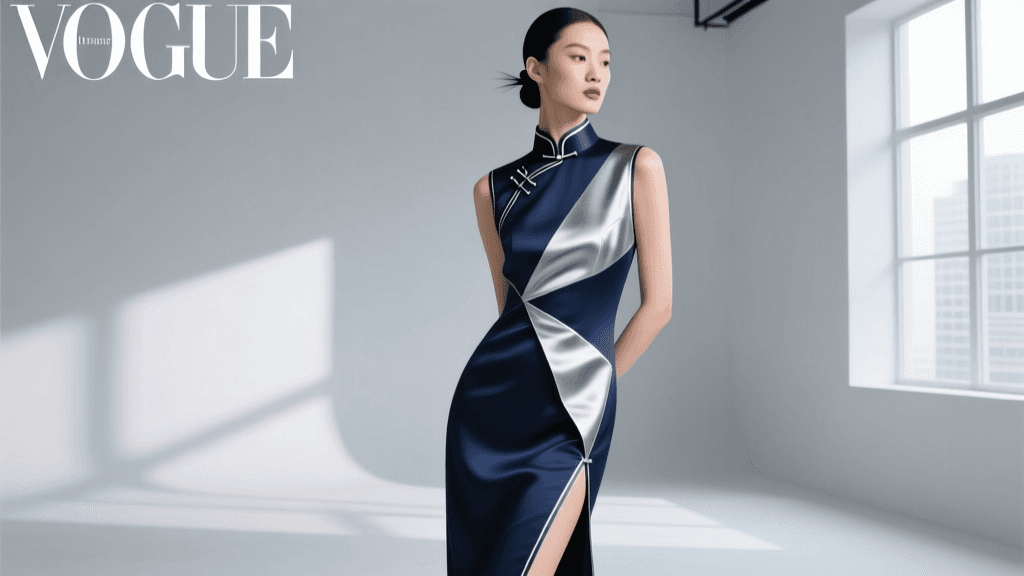
The global fashion media landscape has undergone a seismic shift in 2026, particularly in how traditional Asian garments are portrayed on the pages of high-fashion editorials. For decades, Western publications frequently relegated the Cheongsam (also known as the Qipao) to the realms of exoticized costume or retro-futuristic cliché. However, as we navigate the Spring and Summer 2026 editorial seasons, leading publications like Vogue, Harper's Bazaar, and Elle have completely dismantled these outdated tropes. Today, the Neo-Cheongsam is celebrated for its architectural tailoring, its deep cultural roots, and its seamless integration into the modern global wardrobe.
This transformation is largely driven by a new generation of diaspora designers and a demand for cultural authenticity. According to McKinsey & Company's State of Fashion report, consumers in 2026 are prioritizing heritage-driven garments that offer both structural innovation and genuine cultural storytelling. The modern Qipao is no longer styled with bamboo hats or dragon motifs for the sake of Orientalist fantasy; instead, it is photographed alongside structured blazers, minimalist leather goods, and avant-garde footwear, highlighting the garment's inherent sophistication.
Key Neo-Cheongsam Elements Dominating 2026 Runways
When analyzing the 2026 editorial spreads, several distinct design elements stand out. Designers are deconstructing the traditional silhouette to create garments that honor the past while functioning in a contemporary context.
Asymmetric and Deconstructed Closures
The traditional right-side curved closure of the Qipao is being reimagined. In 2026, editorials heavily feature asymmetric lapels that sweep diagonally across the torso, sometimes extending to the left shoulder or wrapping entirely around the back. This creates a dynamic visual flow that photographs beautifully in motion, a favorite technique for high-fashion editorial photographers this year.
Hardware-Grade Pankou (Frog Closures)
Historically, Pankou knots were made of silk and served as delicate fasteners. In the 2026 Neo-Cheongsam movement, these closures are scaled up and crafted from matte metals, carved resin, or vegan leather. They act as structural hardware, providing a stark, industrial contrast to the fluid silk crepes and heavy satins used for the garment's body.
Sustainable and Matte Fabric Innovations
Glossy, heavily embroidered brocades have taken a backseat in daily-wear editorials. The 2026 trend heavily favors matte silk crepes, raw peace silk, and sustainably dyed linens. These fabrics drape with a quiet luxury aesthetic, aligning with the global media's current obsession with understated elegance and sustainable textile practices.
Media Representation: Traditional Tropes vs. 2026 Reality
To understand the magnitude of this shift, it is helpful to compare how global fashion media historically styled the garment versus the authentic, modern approach seen in 2026.
| Garment Element | Historical Media Trope (Pre-2020) | 2026 Editorial Reality |
|---|---|---|
| Silhouette | Hyper-fitted, restrictive, emphasizing the 'dragon lady' archetype. | Relaxed, A-line, and drop-waist variations prioritizing movement and comfort. |
| Styling & Accessories | Paired with chopsticks in hair, jade bangles, and stereotypical props. | Styled with modern minimalist jewelry, structured leather totes, and architectural footwear. |
| Fabric Choice | Shiny synthetic satins with loud, contrasting floral or dragon embroidery. | Matte peace silks, heavy crepes, and subtle tonal jacquards. |
| Cultural Context | Treated as a generic 'Asian costume' without specific historical grounding. | Researched designs crediting specific eras (e.g., 1930s Shanghai tailoring) and artisan techniques. |
For readers interested in the deep historical context of these silhouettes, the Victoria and Albert Museum's Asian collections provide an invaluable resource, detailing the evolution of Chinese dress from the Qing dynasty through the Republican era, which heavily informs the 2026 Neo-Cheongsam designs.
How to Style Editorial Neo-Cheongsam Looks for Everyday Wear
Translating high-fashion editorial concepts into a wearable, everyday wardrobe requires a balance of proportion and texture. Here are three actionable styling formulas inspired by the 2026 global fashion media spreads.
Look 1: The Corporate Midi
For a powerful office-appropriate look, select a matte crepe Neo-Cheongsam in a deep jewel tone, such as oxblood or forest green. The dress should feature a modest Mandarin collar and a midi length hitting exactly at the mid-calf (typically around 42 inches from the shoulder for an average height). Styling Action: Layer an oversized, structured wool blazer over the dress. Leave the blazer unbuttoned to reveal the asymmetric Pankou closures. Finish with pointed-toe leather ankle boots and a structured top-handle bag. This look merges Western corporate tailoring with Eastern heritage seamlessly.
Look 2: Evening Deconstruction
Many 2026 editorials feature the Qipao not as a full dress, but as a tunic. Choose a sleeveless, heavy silk Cheongsam top with high side slits that reach the hip bone. Styling Action: Pair this top with high-waisted, wide-leg tailored trousers in a contrasting texture, such as a crisp cotton poplin or a soft vegan leather. Tuck the front of the tunic slightly into the waistband to define the silhouette without losing the dramatic flow of the side slits. Accessorize with sculptural metallic earrings and a sleek clutch.
Look 3: Streetwear Fusion
The intersection of heritage and streetwear is a major theme in 2026 youth fashion media. Opt for a cropped, boxy Neo-Cheongsam jacket made from durable cotton twill or denim, featuring traditional frog closures. Styling Action: Wear the cropped jacket over a simple white ribbed tank top and pair it with relaxed-fit cargo trousers or vintage-wash wide-leg denim. Complete the look with chunky, avant-garde sneakers and a crossbody utility bag. This approach strips the garment of its formal constraints, making it a versatile layering piece for weekend wear.
Sourcing Authentic Pieces Featured in Global Media
As the demand for authentic, culturally respectful garments grows, knowing where to source high-quality Neo-Cheongsams is essential. The 2026 market offers options ranging from accessible contemporary brands to high-end luxury couture.
- Contemporary Designers ($350 - $800): Brands like Samuel Gui Yang and Feng Chen Wang are frequently featured in 2026 Vogue spreads for their masterful blending of Savile Row tailoring techniques with traditional Qipao elements. Their pieces are ideal for those seeking editorial silhouettes with everyday wearability.
- Artisanal and Bespoke ($900 - $2,500+): For those looking for museum-quality craftsmanship, bespoke ateliers in Shanghai and Hong Kong, as well as diaspora-led studios in London and New York, offer made-to-measure services. These studios focus on heritage techniques like hand-rolled hems and custom-knotted Pankou, ensuring the garment fits perfectly and lasts a lifetime.
- Accessible Heritage Brands ($150 - $300): Several modern heritage brands have emerged in 2026, focusing on sustainable fabrics and ready-to-wear sizing. These brands are excellent for beginners looking to incorporate a subtle Mandarin collar dress or a Qipao-inspired tunic into their rotation without the couture price tag.
When shopping, always scrutinize the garment's construction. A true Neo-Cheongsam, even when deconstructed or modernized, should respect the grainline of the fabric and feature clean, finished interior seams. As noted by industry analysts covering Business of Fashion's Global Markets, the most successful brands in this space are those that employ traditional artisans to execute modern designs, ensuring the cultural integrity of the garment is maintained.
Conclusion
The year 2026 marks a definitive turning point for the Cheongsam in global fashion media. No longer confined to the margins of costume or stereotyped styling, the Neo-Cheongsam has rightfully claimed its place as a masterpiece of structural design and cultural heritage. By understanding the editorial shifts, embracing modern styling techniques, and sourcing from authentic designers, fashion enthusiasts can wear this iconic garment with the respect, elegance, and contemporary flair it deserves.