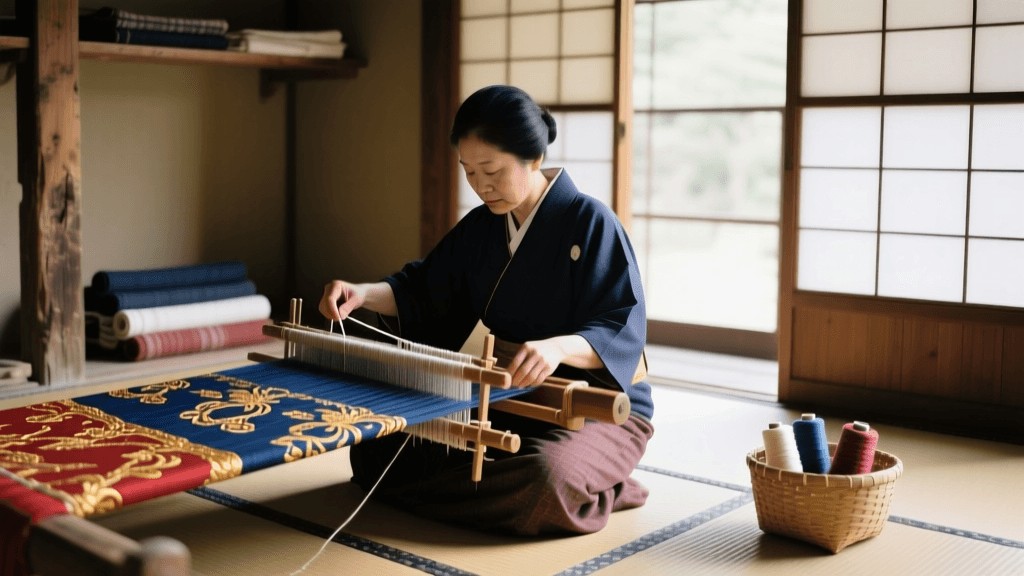
Japanese Jibata Loom Weaving & Oshima Tsumugi 2026 Guide
The Enduring Legacy of the Jibata Loom in 2026
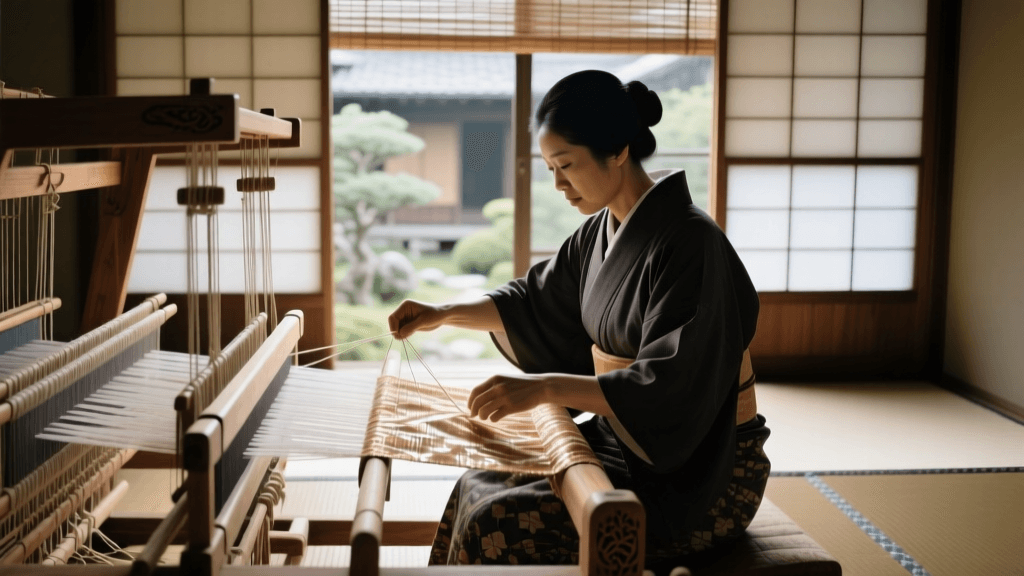
As we navigate the textile renaissance of 2026, the intersection of heritage craftsmanship and modern sustainable fashion has placed Japanese traditional hand-weaving methods back into the global spotlight. At the heart of this movement is the jibata, the traditional Japanese treadle loom. Unlike the towering, multi-harness takabata looms used in the Nishijin district of Kyoto for brocades, the jibata is a low-set, highly intimate instrument. It requires the weaver to sit close to the warp, using foot pedals to manipulate the heddles while throwing the shuttle by hand. This physical proximity to the textile allows for the creation of intricate kasuri (ikat) patterns, where the slightest tension change can alter the geometry of the design.
In 2026, a new generation of textile artists and slow-fashion designers are seeking out restored Meiji and Taisho-era jibata looms. The rhythmic clack of the wooden batten and the tactile resistance of hand-spun silk offer a sensory experience that digital jacquard looms simply cannot replicate. For enthusiasts and professionals alike, understanding the mechanics, preservation, and application of these looms is essential to participating in the contemporary Asian traditions market.
Understanding the Mechanics of Traditional Japanese Handlooms
The Japanese hand-weaving landscape is broadly divided into two primary loom types, each serving a distinct historical and functional purpose. The choice between them dictates the type of textile produced, the space required, and the physical technique of the artisan.
| Feature | Jibata (Ground/Treadle Loom) | Takabata (Tall/Harness Loom) |
|---|---|---|
| Primary Origin & Era | Rural Japan, Edo to Meiji Period | Urban Centers (Kyoto), Edo Period |
| Weaver Posture | Seated on the floor or low bench | Seated on an elevated bench |
| Primary Textile Output | Kasuri (Ikat), Tsumugi (Pongee), Cotton | Nishijin-ori (Brocade), Silk, Gold Leaf |
| Harness Count | Typically 2 to 4 harnesses | 6 to 20+ harnesses |
| 2026 Restored Market Value | ¥350,000 - ¥800,000 JPY | ¥1,500,000 - ¥4,000,000+ JPY |
The jibata relies heavily on the weaver's memory and physical rhythm. Because it typically features only two to four harnesses, complex patterns are not achieved through the loom's mechanics, but rather through the pre-dyed kasuri threads. The weaver must manually adjust the weft thread with a bamboo pick to ensure the warp and weft dyed patterns align perfectly, a process known as 絵合わせ (e-awase). This meticulous alignment is what gives hand-woven Japanese ikat its signature blurred, organic edges, a highly prized aesthetic in 2026 luxury fashion.
Oshima Tsumugi: The Pinnacle of Hand-Woven Silk
When discussing the jibata loom, one must examine its most famous output: Oshima Tsumugi. Originating from Amami Oshima in the Kagoshima prefecture, this textile is renowned for its lightweight, wrinkle-resistant properties and its profound, complex black color. The creation of Oshima Tsumugi is a masterclass in natural chemistry and hand-weaving precision, recognized globally for its cultural significance. According to the Amami Oshima official tourism portal, the island's unique ecosystem provides the exact organic materials required for this centuries-old process.
The Mud-Dyeing and Weaving Process
The deep black hue of authentic Oshima Tsumugi is not achieved through synthetic aniline dyes, but through a remarkable chemical reaction native to the island. The process is arduous, taking months from raw silk to finished cloth.
- Shirinbai (Techigi) Boiling: The silk threads are first dyed in a reddish-brown decoction made from the wood of the Sharinbai (techigi) tree, which is rich in tannins.
- Mud Dyeing: The threads are then submerged in the iron-rich mud of Amami Oshima's rice paddies. The tannin reacts with the iron to create a deep, colorfast black.
- Kasuri Tying: Before dyeing, specific sections of the thread are bound tightly with cotton thread to resist the dye, creating the microscopic geometric patterns.
- Hand-Weaving on the Jibata: The dyed threads are mounted on the jibata. The weaver uses a bamboo needle to adjust the weft threads millimeter by millimeter to ensure the kasuri pattern aligns flawlessly.
In 2026, the aging population of master dyers and weavers has led to a surge in government-subsidized apprenticeships. The Japan Kogei Association has been instrumental in funding these initiatives, ensuring that the tactile knowledge of tensioning silk on a jibata is passed down to younger artisans who are now blending these ancient techniques with contemporary garment silhouettes.
Setting Up a Jibata Studio in 2026
For textile artists and collectors looking to acquire and operate a jibata loom today, spatial and environmental considerations are paramount. Unlike modern floor looms that can be folded away, a traditional Japanese jibata is a permanent, sprawling fixture.
Spatial and Environmental Requirements
A standard jibata requires a footprint of approximately 150 centimeters in depth and 120 centimeters in width. However, you must account for an additional 100 centimeters behind the loom for the warp beam and thread management, and 80 centimeters in front for the weaver's seating and shuttle movement. Therefore, a dedicated studio space of at least 3.5 by 2.5 meters is recommended.
Humidity control is the most critical factor in a 2026 weaving studio, especially when working with the high-twist silk used in Tsumugi. Silk fibers become brittle in dry air, leading to frequent warp breakages. Modern studios now integrate smart humidification systems to maintain a constant Relative Humidity (RH) of 60% to 65%, and a temperature of around 20°C (68°F). Many contemporary weavers also use ultrasonic misting systems positioned directly above the warp beam to keep the threads supple during the dry winter months.
Sourcing Vintage Looms and Materials
Acquiring a jibata in 2026 usually involves commissioning a specialized antique textile dealer in Kyoto or Tokyo to source and restore a rural loom. Restoration includes replacing the heddles (the eyelets that guide the warp threads) with new, durable linen or synthetic equivalents, and re-lacquering the wooden batten. For sourcing authentic yoko-ito (weft thread) and tate-ito (warp thread), artisans rely on specialized spinners in Gunma and Iwate prefectures, who continue to produce slubbed, hand-spun silk that mimics the historical imperfections prized in wabi-sabi aesthetics.
Where to Study and Experience Hand-Weaving Today
For those who are not yet ready to purchase a loom but wish to understand the profound physical effort required to operate one, immersive workshops are available across Japan. While similar hand-weaving traditions, such as Yuki-tsumugi, have been globally celebrated on the UNESCO Intangible Cultural Heritage list, the regional variations of kasuri weaving offer unique, localized learning experiences.
Amami Oshima Immersive Residencies
In 2026, several cooperatives on Amami Oshima offer two-week immersive residencies. These programs allow participants to forage for Sharinbai wood, participate in the mud-dyeing process, and sit at a jibata to weave their own kasuri coasters or small textiles. The physical toll of the work—throwing the heavy wooden shuttle and beating the weft with the batten—gives participants a profound respect for the exorbitant pricing of authentic Oshima Tsumugi kimono, which can easily exceed ¥800,000 JPY for a single bolt of fabric.
Kurume Kasuri Workshops in Fukuoka
Another vital center for jibata weaving is the Kurume region in Fukuoka, famous for its indigo-dyed cotton kasuri. Unlike the silk of Amami, Kurume kasuri utilizes cotton and complex multi-layered tie-dyeing techniques. Workshops here focus heavily on the mathematics of pattern drafting and the physical endurance required to weave thick cotton threads on a heavy wooden jibata. These workshops are highly recommended for fashion designers looking to incorporate durable, breathable, hand-woven textiles into modern workwear collections.
Conclusion: The Future of the Hand-Woven Thread
The survival of the jibata loom and the traditions of Oshima Tsumugi in 2026 is a testament to the enduring human desire for objects that carry the physical imprint of their maker. In an era dominated by automated, AI-driven textile manufacturing, the slight irregularities of a hand-aligned kasuri pattern and the organic depth of mud-dyed silk offer a luxury that is inherently irreplaceable. Whether you are a collector sourcing vintage garments, a designer seeking sustainable textiles, or an artisan setting up your own studio, the Japanese hand-weaving tradition offers a profound, tactile connection to history that continues to evolve and inspire.