The Modern Qipao: A Guide to Fusion Fashion Styling
The Renaissance of the Qipao in Fusion Fashion
The qipao, also widely known as the cheongsam, is one of the most iconic and recognizable garments in Asian fashion history. Originally a modest, loose-fitting dress worn by Manchu women during the Qing Dynasty, it underwent a radical transformation in 1920s Shanghai, evolving into the form-fitting, elegant silhouette recognized globally today. However, the 21st century has ushered in a new era for this traditional garment: the age of fusion fashion. Today's designers and streetwear enthusiasts are deconstructing the qipao, blending its classic elements with contemporary textiles, avant-garde silhouettes, and everyday practicality.
According to Wikipedia's comprehensive history of the Cheongsam, the garment has always been a reflection of the times, adapting to the social and cultural shifts of Chinese society. Today, the fusion qipao represents a bridge between ancestral heritage and globalized modern streetwear, making it an incredibly versatile piece for the contemporary wardrobe.
Key Elements of Qipao Fusion Fashion
The modern fusion qipao retains the spirit of the original garment while discarding the restrictive elements that made it impractical for daily life. Here are the defining characteristics of this modern adaptation:
Contemporary Textiles
While traditional qipaos rely heavily on silk brocade, velvet, and jacquard, fusion designs experiment with unconventional fabrics. Neoprene provides a structured, architectural shape that holds A-line silhouettes beautifully. Denim qipaos offer a rugged, casual aesthetic perfect for daytime wear, while vegan leather and metallic foils bring an edgy, cyberpunk-inspired vibe to evening fusion fashion.
Reimagined Silhouettes
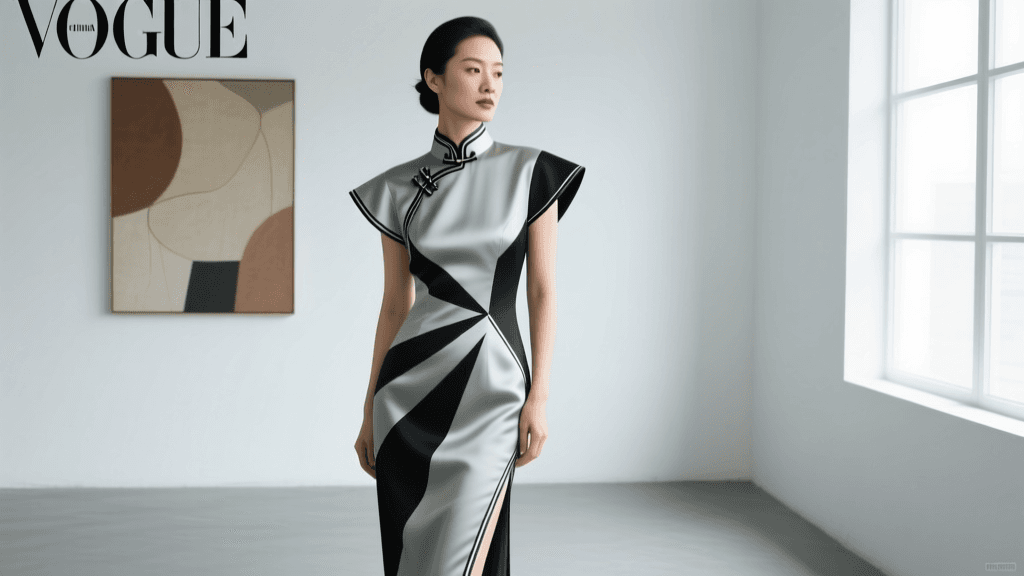
The classic pencil-skirt cut is no longer the only option. Modern adaptations frequently feature peplum waists, asymmetrical high-low hemlines, and drop-waist designs. Some designers even incorporate pleated skater skirts or wide-leg culottes into the lower half of the dress, drastically improving mobility and comfort.
Hardware and Fastenings
The traditional pankou (hand-woven silk frog buttons) are a hallmark of the qipao. In fusion fashion, these are often reimagined as oversized metallic clasps, 3D-printed geometric toggles, or entirely replaced by hidden magnetic closures and industrial zippers to maintain a sleek, minimalist profile while preserving the iconic mandarin collar.
Practical Guide: Sizing and Measurements
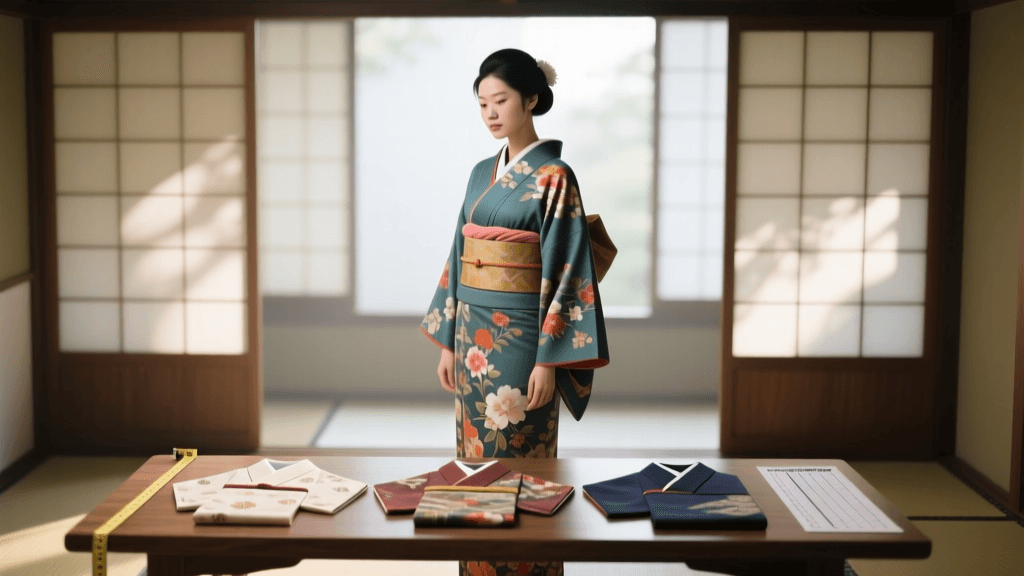
Buying a fusion qipao off-the-rack requires an understanding of how modern ease differs from traditional tailoring. A traditional bespoke qipao is cut with minimal ease (often just 1-2 cm) to hug the body tightly. Fusion qipaos, designed for layering and movement, incorporate 4-8 cm of ease. To ensure the perfect fit, take the following measurements using a soft fiberglass tape measure:
- Bust: Measure around the fullest part of your chest, keeping the tape parallel to the floor. For fusion styles meant to be worn over turtlenecks, add 4 cm to your base measurement.
- Waist: Measure your natural waistline (the narrowest part of your torso, usually just above the belly button). A-line fusion qipaos may not require a strict waist measurement, but fit-and-flare styles do.
- Hips: Measure around the fullest part of your hips and buttocks. This is crucial if you are purchasing a fusion qipao with a pencil or midi-skirt bottom.
- Hollow-to-Hem: Measure from the hollow of your collarbone down to your desired hemline. Midi fusion qipaos typically hit mid-calf (approx. 105-115 cm depending on height), while mini versions hit mid-thigh (approx. 80-90 cm).
Cost Breakdown and Where to Buy
The price of a modern qipao varies wildly based on craftsmanship, fabric, and brand prestige. Here is a practical breakdown of what to expect when shopping:
- Fast Fashion & E-commerce ($30 - $80): Platforms like Etsy, AliExpress, and specialized Asian fast-fashion brands offer cotton and polyester blend fusion qipaos. These are great for casual experimentation but often lack structural interfacing in the collar.
- Mid-Tier Independent Designers ($150 - $450): Brands focusing on modern Asian-American or contemporary Chinese fashion offer high-quality blends, unique prints, and better hardware. Expect to find premium cottons, linen blends, and structured neoprene in this tier.
- Luxury & Bespoke ($800 - $3,000+): Heritage brands undergoing modern revivals, such as Shanghai Tang, or high-fashion labels like Ms MIN and Guo Pei, offer masterfully tailored fusion pieces featuring hand-finished details, rare textiles like xiangyunsha (mud-dyed silk), and bespoke fitting sessions.
Comparison Chart: Traditional vs. Fusion Qipao
| Feature | Traditional Qipao | Modern Fusion Qipao |
|---|---|---|
| Primary Fabrics | Silk brocade, velvet, jacquard | Neoprene, denim, vegan leather, linen |
| Silhouette | Form-fitting, pencil skirt, high slits | A-line, peplum, oversized, asymmetrical |
| Fastenings | Hand-woven silk pankou knots | Metal zippers, magnetic snaps, 3D toggles |
| Collar | Stiff, high mandarin collar (3-5 cm) | Soft mandarin, open-neck, or cut-out collars |
| Best Occasion | Weddings, formal banquets, Lunar New Year | Streetwear, office, casual brunch, art galleries |
Everyday Styling: How to Wear Fusion Qipao
The beauty of the fusion qipao lies in its styling versatility. It can easily transition from a boardroom meeting to an underground music venue with a few simple tweaks.
Footwear Pairings
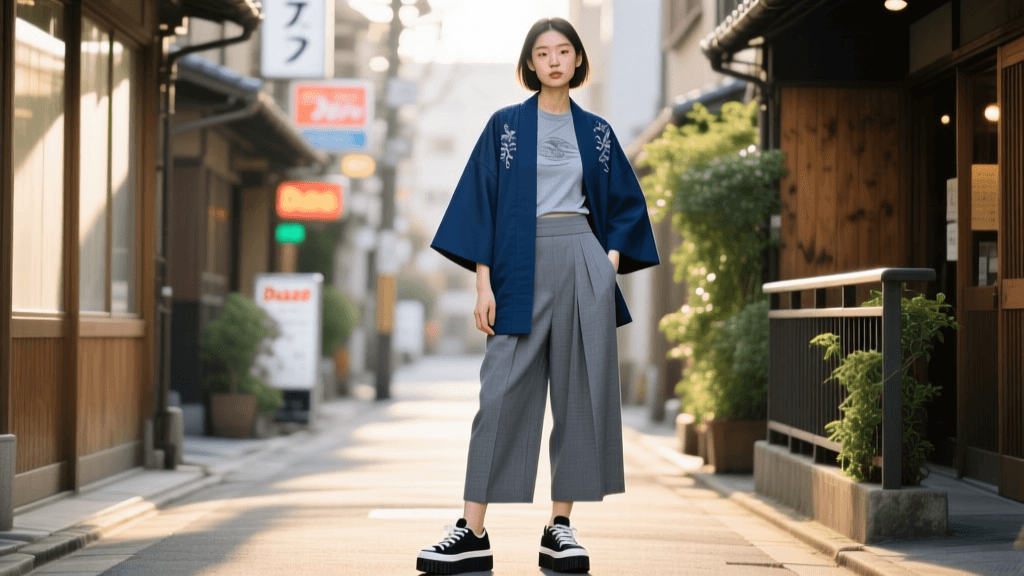
Ditch the traditional stiletto pumps. For a streetwear-inspired look, pair a denim or cotton mini-qipao with chunky sneakers like the Balenciaga Triple S or classic Converse Chuck Taylors. For a sophisticated office look, a midi-length neoprene qipao paired with polished loafers or pointed-toe mules creates a striking, authoritative silhouette.
Layering Techniques
In cooler months, the fusion qipao excels as a layering piece. Wear a fitted, ribbed turtleneck underneath a sleeveless or short-sleeved qipao. Alternatively, treat a long, slit-hem fusion qipao as a duster coat, wearing it open over a simple white tee, high-waisted denim jeans, and ankle boots.
Accessorizing
Instead of traditional jade pendants, opt for minimalist geometric gold jewelry. A thick, western-style leather belt worn over the natural waist of an A-line fusion qipao can dramatically alter the silhouette, giving it a contemporary, avant-garde edge.
Garment Care and Maintenance
To protect your investment, proper care is essential. Traditional silks and brocades must be dry-cleaned only; water will cause the fibers to warp and the colors to bleed. However, many modern fusion fabrics are much more forgiving. Cotton and linen blends can usually be hand-washed in cold water with a pH-neutral detergent and laid flat to dry. Neoprene should be wiped clean or machine-washed on a delicate cycle inside a mesh laundry bag. Always store your qipao on wide, padded hangers to maintain the structural integrity of the shoulders and collar, and avoid wire hangers which will distort the fabric.
Cultural Appreciation in Modern Fashion
As the qipao continues to permeate global fashion, it is vital to approach the garment with cultural respect and understanding. The global conversation surrounding the qipao was notably highlighted by The New York Times during a widespread discourse on cultural appreciation versus appropriation. Embracing the fusion qipao means acknowledging its Manchu roots and its historical significance as a symbol of Chinese femininity and liberation in the 1920s. By supporting authentic Asian designers and understanding the garment's rich history—such as the seminal China: Through the Looking Glass exhibition at The Metropolitan Museum of Art—wearers can celebrate the qipao as a living, breathing artifact of Asian tradition that continues to evolve beautifully in the modern sartorial landscape.