The Modern Qipao: Styling the Cheongsam for Today's Wardrobe
The Evolution of the Qipao: From Manchu Robes to Modern Icon
The qipao, widely known in the West as the cheongsam, is arguably the most recognizable garment in Chinese fashion history. While it is frequently associated with the glamorous, cinematic vision of 1930s Shanghai, the garment’s origins trace back much further to the loose, boxy robes worn by Manchu women during the Qing Dynasty (1644–1912). Known then as qizhuang (banner robes), these early garments were designed for modesty and ease of movement, completely obscuring the wearer's silhouette.
The radical transformation of the qipao occurred in the 1920s and 1930s in Shanghai, a bustling cosmopolitan hub where Eastern traditions collided with Western modernity. Influenced by Western tailoring techniques, the garment was cinched at the waist, the sleeves were narrowed, and high side slits were introduced. This evolution was not merely aesthetic; it was deeply political. As noted by cultural historians, the modernized qipao became a symbol of female emancipation and modern Chinese identity, embraced by intellectuals, socialites, and students alike. According to a comprehensive cultural retrospective by the South China Morning Post, the qipao's shift from a traditional ethnic dress to a form-fitting symbol of feminism marked a pivotal moment in Asian fashion history, allowing women to claim space in the public and professional spheres.
Deconstructing the Modern Cheongsam: Fabrics, Cuts, and Fits
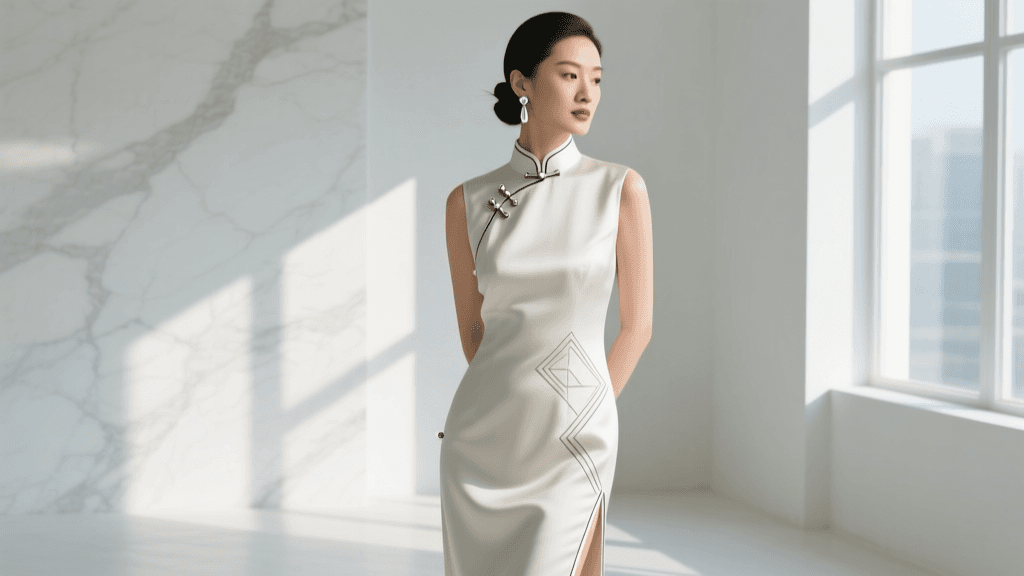
Today, the cheongsam has transcended its mid-century heyday to become a versatile staple in the contemporary wardrobe. Modern designers have reimagined the classic silhouette, experimenting with hemlines, fabrics, and structural elements to suit a fast-paced, globalized lifestyle. While the traditional qipao demanded a rigid, unforgiving posture, modern iterations prioritize comfort without sacrificing the garment's inherent elegance.
To understand how to style the qipao today, it is essential to recognize the structural differences between vintage and contemporary designs. The table below outlines the key evolutionary shifts in the garment's anatomy.
| Feature | Traditional Qipao (1930s-1950s) | Modern Cheongsam (Contemporary) |
|---|---|---|
| Collar | High, stiff mandarin collar (yuanbao ling) | Lower, softer, scoop neck, or collarless |
| Silhouette | Form-fitting, straight, narrow cut | A-line, fit-and-flare, relaxed, or shift |
| Slits | Moderate side slits for walking | High slits, asymmetrical cuts, or no slits |
| Fasteners | Functional hand-knotted pankou buttons | Hidden zippers with decorative pankou |
| Fabrics | Heavy silk brocade, velvet, satin | Cotton, linen, crepe, lace, tulle, denim |
This diversification in design means that the modern consumer is no longer restricted to heavy brocades reserved for banquets. As highlighted by luxury fashion analysts at SCMP Style, contemporary designers are successfully merging traditional Chinese motifs with avant-garde streetwear and minimalist office aesthetics, proving that the cheongsam remains the ultimate, adaptable Chinese dress.
How to Style the Qipao for Modern Occasions
Styling a qipao requires balancing its inherent formality with the context of your environment. Here is a practical guide to wearing the cheongsam across various modern settings.
Everyday & Casual Wear
For weekend outings, café dates, or casual travel, opt for a midi-length qipao crafted from breathable fabrics like cotton-linen blends or lightweight crepe. A-line or shift silhouettes are ideal as they allow for ease of movement. Styling Tip: Layer a short-sleeved, collarless cotton qipao over a fitted white turtleneck in the autumn. Pair it with white leather sneakers or loafers and a crossbody canvas bag. Avoid heavy, traditional gold jewelry; instead, choose minimalist stud earrings and a delicate watch to keep the look grounded and contemporary.
Office & Professional Settings
The qipao can be a powerful statement in the boardroom when styled correctly. Choose a knee-length or midi dress in a matte fabric such as wool-blend crepe or heavy silk twill. Darker, muted tones like navy, emerald green, charcoal, or plum project authority and sophistication. Styling Tip: Ensure the side slits are modest (ending just above the knee) to maintain professional decorum. Pair the dress with closed-toe block heels or elegant pointed-toe flats. A structured leather blazer draped over the shoulders can instantly modernize the look while providing warmth in heavily air-conditioned offices.
Evening Events & Weddings
For galas, cocktail parties, or weddings, the traditional floor-length or calf-length silk brocade qipao shines. Rich textures like velvet or heavily embroidered silk jacquard elevate the garment for nighttime wear. Styling Tip: Accessorize with a traditional pījīan (shawl or capelet) made of faux fur or sheer organza to add drama and cover the shoulders if the venue is chilly. Statement jewelry, such as jade drop earrings or a chunky gold cuff bracelet, complements the high mandarin collar beautifully. Finish the look with strappy stiletto heels and a sleek, low chignon hairstyle to highlight the neck and collarbone area.
Streetwear & Edgy Fusion
The 'New Chinese Style' (Xin Zhongshi) movement has birthed the cropped qipao top, a favorite among Gen Z fashion enthusiasts. These tops retain the iconic pankou buttons and collar but end at the natural waist. Styling Tip: Pair a cropped, sleeveless qipao top with high-waisted, wide-leg cargo pants or distressed denim. Add chunky combat boots or platform sneakers. This high-low contrast between traditional elegance and utilitarian streetwear creates a striking, fashion-forward silhouette that is highly popular on platforms like TikTok and Xiaohongshu.
"The true brilliance of the qipao lies not in its rigidity, but in its fluidity. It is a canvas that adapts to the woman wearing it, reflecting her era, her status, and her personal rebellion." — Modern Asian Fashion Histories
Sizing, Tailoring, and Alterations: A Practical Guide
Unlike Western garments that often rely on stretch fabrics, a traditional or semi-traditional qipao requires precise tailoring to flatter the body without restricting breathing or movement. If you are buying off-the-rack or ordering online, expect to visit a tailor for final adjustments.
Essential Measurements for Qipao Tailoring:
- Bust, Waist, and Hips: Measured at the widest points. The qipao should skim the body, leaving about 1 to 1.5 inches of 'ease' for sitting and eating.
- Shoulder Width: Crucial for the placement of the armholes and the drape of the fabric.
- Hollow-to-Hem: Measured from the base of the neck (hollow) to the desired hemline. This ensures the slits hit at the correct, flattering point on your leg.
- Neck Circumference: The mandarin collar should allow you to comfortably slip one or two fingers between the fabric and your neck.
Cost & Timing: Standard alterations (hemming, taking in the waist, adjusting dart placement) typically cost between $40 and $120, depending on your location and the complexity of the fabric. Silk and brocade require specialized tailors who know how to handle slippery or heavily textured materials. Always allow 2 to 3 weeks for alterations before a major event.
Garment Care: Preserving Silk and Brocade
Proper maintenance is vital to preserving the structural integrity and vibrant colors of a high-quality cheongsam. The care regimen depends heavily on the fabric composition.
Silk and Brocade: These fabrics are highly sensitive to water, heat, and alkaline detergents. Dry cleaning is strongly recommended for heavily structured qipaos with internal lining, interfacing, or delicate pankou knots. If you must spot clean, use a pH-neutral detergent specifically formulated for silk. According to textile care experts at The Spruce, silk fibers can lose up to 20% of their strength when wet, making aggressive wringing or machine washing disastrous for the garment's seams and sheen.
Cotton and Linen Blends: Modern casual qipaos made from these materials can usually be hand-washed in cold water with a mild detergent. Lay the garment flat on a clean towel to dry, reshaping the collar and slits while damp. Never hang a wet qipao, as the weight of the water will stretch the shoulders and distort the silhouette.
Storage: Store your qipaos on padded, wide-shoulder hangers to prevent shoulder dimples. For long-term storage, wrap the garment in acid-free tissue paper and place it in a breathable cotton garment bag. Avoid plastic covers, which can trap moisture and cause the silk to yellow or mildew over time.
Conclusion
The qipao is far more than a historical relic or a costume; it is a living, breathing garment that continues to evolve alongside the women who wear it. By understanding its rich history, recognizing the nuances of modern tailoring, and experimenting with contemporary styling techniques, you can seamlessly integrate the cheongsam into your modern wardrobe. Whether you are navigating a corporate boardroom, attending a lavish wedding, or exploring the streets of a new city, the modern qipao offers a timeless, elegant, and deeply personal expression of Asian heritage.