The Hanfu Revival: A Practical Guide to Your First Wardrobe
The Hanfu Yundong: From Niche Forums to a Billion-Dollar Industry
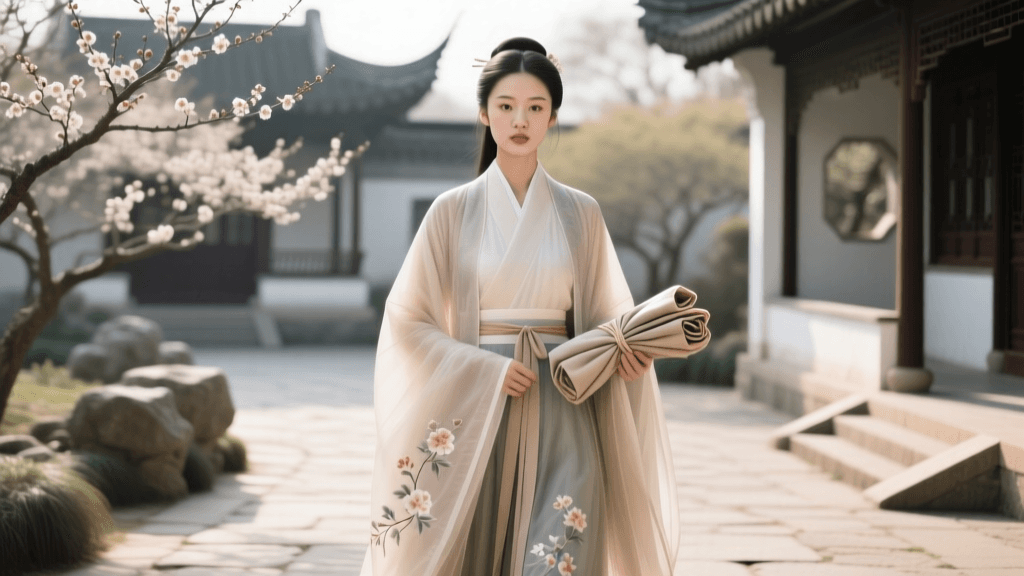
The Hanfu movement, known in Chinese as Hanfu Yundong, is one of the most fascinating cultural phenomenons of the 21st century. What began in the early 2000s as a niche internet forum discussion among history enthusiasts seeking to reclaim the traditional dress of the Han ethnic majority has blossomed into a massive, multi-billion-dollar fashion industry. Today, it is common to see young people wearing flowing silk robes and pleated skirts on the streets of Beijing, Shanghai, and Chengdu, or while riding the subway. According to industry reports covered by Reuters, the Hanfu market has experienced explosive growth, driven largely by Generation Z consumers and the broader Guochao (national trend) movement that celebrates domestic brands and traditional Chinese aesthetics.
For those looking to participate in this cultural renaissance, navigating the world of Hanfu can be daunting. The term Hanfu encompasses over three millennia of evolving sartorial history, from the deep robes of the Han Dynasty to the elaborate, pleated ensembles of the Ming Dynasty. This guide provides actionable, practical advice for building your first authentic Hanfu wardrobe, understanding traditional tailoring measurements, and avoiding common pitfalls.
Decoding the Core Silhouettes: What to Buy First
Hanfu is not a single garment but a complex system of dressing. When building your first wardrobe, it is essential to understand the core silhouettes that define different historical periods. Avoid the trap of buying fantasy costumes (often called Xianfu or immortal clothing) and instead focus on historically grounded garments. The modern revival generally categorizes Hanfu into three primary structural styles:
1. Ruqun (Blouse and Skirt)
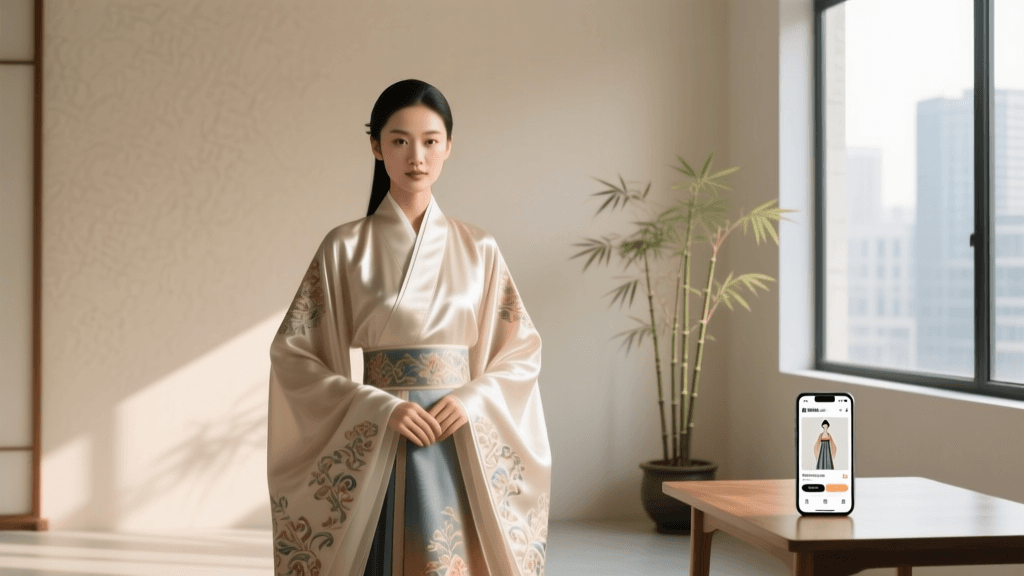
The Ruqun is perhaps the most iconic and recognizable Hanfu silhouette. It consists of a short upper garment (blouse) and a long skirt. Variations include the Qixiong Ruqun (chest-high skirt popular in the Tang Dynasty, known for its elegant, flowing drape) and the Qiyao Ruqun (waist-high skirt common in the Song Dynasty, offering a more slender, refined silhouette).
2. Aoqun (Jacket and Skirt)
The Aoqun is the definitive style of the Ming Dynasty. It features a lined or padded jacket with a stand-up collar or crossed collar, paired with a Mamianqun (horse-face skirt). The Mamianqun is a wrap-style pleated skirt that is highly practical for modern daily wear, as it allows for ease of movement while maintaining a structured, regal appearance.
3. Shenyi (Deep Robe)
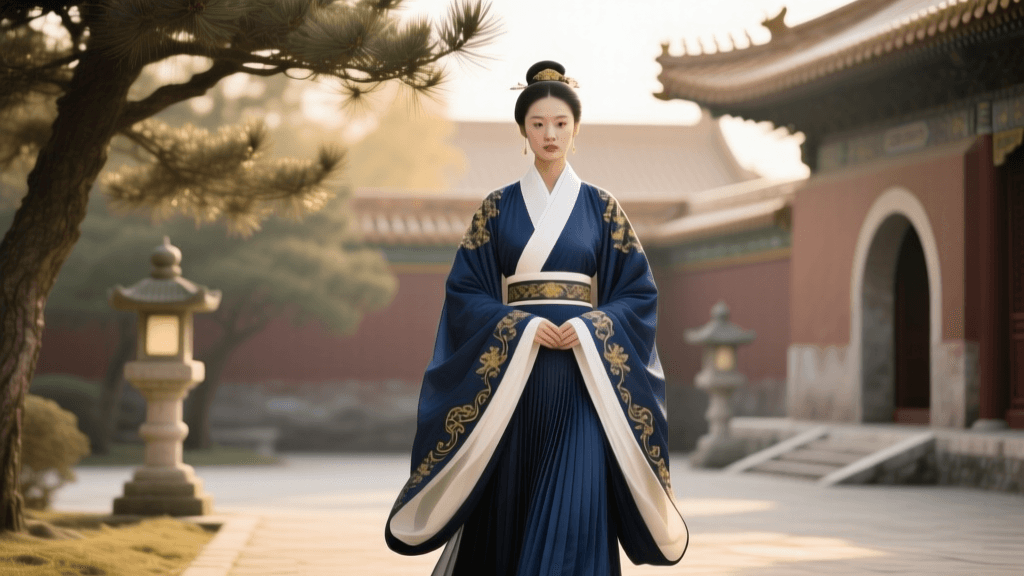
The Shenyi is a one-piece robe where the upper and lower garments are cut separately but sewn together at the waist. This style, deeply rooted in pre-Qin and Han Dynasty philosophy, symbolizes the unity of heaven and earth. It is typically worn for more formal, scholarly, or ceremonial occasions.
Comparison Chart: Building a Versatile Starter Wardrobe
| Style | Era Inspiration | Best Season | Est. Cost (USD) | Primary Occasion |
|---|---|---|---|---|
| Qixiong Ruqun | Tang Dynasty | Summer | $40 - $80 | Festivals, Photoshoots |
| Song Beizi | Song Dynasty | Spring / Autumn | $50 - $100 | Casual Daily Wear |
| Aoqun (Mamianqun) | Ming Dynasty | Autumn / Winter | $70 - $150 | Daily Wear, Formal Events |
| Shenyi (Zhuzi) | Pre-Qin / Han | All Seasons | $60 - $120 | Ceremonial, Academic |
The Art of Measurement: Sizing for Traditional Tailoring
Unlike Western clothing, which relies on complex darts and curved seams to contour the body, traditional Hanfu is based on flat-pattern cutting. The fabric is woven in standard widths, and garments are constructed using straight lines and geometric folds. Because of this, Hanfu sizing relies on a unique set of measurements. When ordering from Taobao vendors or custom tailors, you will need to provide the following specific metrics:
- Arm Span (Tongxiu Chang): This is the most critical and unique measurement. Measure from the tip of your middle finger on one hand, across your upper back, to the tip of your middle finger on the other hand, with arms outstretched. This dictates the total width of the garment and ensures the sleeves drape correctly over the hands.
- Chest Circumference: Measure around the fullest part of your chest. Because Hanfu wraps and overlaps, you must add at least 10-15 cm to your actual measurement to allow for the cross-collar overlap and comfortable breathing room.
- Waist Circumference: Measure at your natural waist. For high-waisted Tang styles, measure just under the bust.
- Skirt Length: Measure from your shoulder (for chest-high skirts) or natural waist (for waist-high skirts) down to the floor, then subtract 3-5 cm so the hem does not drag and soil the fabric.
Fabrics, Layering, and the Importance of Undergarments
A common mistake made by beginners is purchasing a single, unlined layer of shiny polyester. Authentic Hanfu relies heavily on layering and natural textiles to achieve its signature drape and modesty. The foundation of any Hanfu outfit is the Zhongyi (middle garment) or Neiyi (inner garment). This is typically a simple, white cotton or linen top and skirt worn beneath the silk outer layers. The inner layer absorbs sweat, protects expensive silks from body oils, and provides necessary opacity to sheer outer garments.
When selecting outer fabrics, enthusiasts prioritize natural fibers. For summer, Xiangyunsha (gambiered Canton gauze) and raw silk are prized for their breathability and crisp texture. For winter, woven brocades, wool blends, and damask provide warmth and structure. According to a cultural analysis published by the South China Morning Post, modern textile manufacturers have revived ancient jacquard weaving techniques to supply the booming Hanfu market with historically accurate patterns, moving the industry away from cheap costume materials toward high-end, sustainable fashion.
Navigating the Market: Taobao Brands and Authenticity
The vast majority of Hanfu is purchased through Chinese e-commerce platforms like Taobao and Tmall. Navigating these platforms requires knowing which brands prioritize historical accuracy over fantasy aesthetics. Brands are generally categorized into three tiers:
- Entry-Level / Mass Market ($30 - $60): Brands like Shisanyu focus on youthful, accessible designs. While some of their historical accuracy is debated by purists, they are excellent for beginners wanting to experience the aesthetic without a massive financial commitment.
- Mid-Tier / Historical Reconstruction ($80 - $200): Brands like Zhongling and Tingyue Pavilion invest heavily in researching museum artifacts and historical texts. Their garments feature accurate seam placements, period-correct color palettes, and high-quality jacquard weaves.
- High-End / Museum Grade ($300+): Minghuatang is widely considered the gold standard for Ming Dynasty reproduction. Their garments are meticulously crafted using traditional looms, real gold-leaf threads, and period-accurate tailoring. These are investment pieces often treated as heirlooms.
Cultural Rules and the Nuances of Wearing Hanfu
Wearing Hanfu is not merely about putting on clothes; it is an exercise in cultural etiquette and historical respect. The most fundamental rule of Hanfu is Jiaoling Youren (交领右衽), which translates to 'crossed collar, right lapel.' This means the left side of the garment must always cross over and cover the right side. In traditional Chinese philosophy, the left represents Yang (life and the living), while the right represents Yin (death and the spiritual realm). Wrapping the garment right-over-left is strictly reserved for dressing the deceased for burial. Getting this wrong is considered a severe cultural faux pas.
To wear Hanfu is to wrap oneself in the philosophy of our ancestors. The flowing sleeves teach us to move with grace, the structured collars remind us to stand with integrity, and the right-over-left lapel grounds us in the balance of the natural world.
— Modern Hanfu Revivalist Proverb
Accessories also play a vital role. Traditional Hanfu does not utilize buttons or zippers; garments are secured with fabric ties and sashes. Footwear typically consists of Qiaotou Lu (cloud-toe shoes) with upturned toes, or simple cloth boots. Hair is traditionally tied up using wooden, jade, or metal hairpins (Zan), as letting hair hang loose was historically associated with barbarism or mourning in ancient Han society.
Conclusion: More Than Just a Trend
The Hanfu revival movement is a profound reclamation of cultural identity. As noted by Global Times, the integration of Hanfu into modern daily life signifies a shift from viewing traditional clothing as a static museum relic to embracing it as a living, breathing component of contemporary Asian fashion. By understanding the historical silhouettes, mastering the unique flat-pattern measurements, and respecting the cultural etiquette of the garments, newcomers can build a wardrobe that honors the past while confidently stepping into the future. Whether you are attending a traditional tea ceremony, celebrating the Mid-Autumn Festival, or simply walking through a modern city park, a well-curated Hanfu wardrobe offers a deeply personal connection to thousands of years of Asian heritage.