Norwegian Bunad Revival 2026: Modern Styling & Sustainable Wool
The Norwegian Bunad in 2026: A Living Heritage
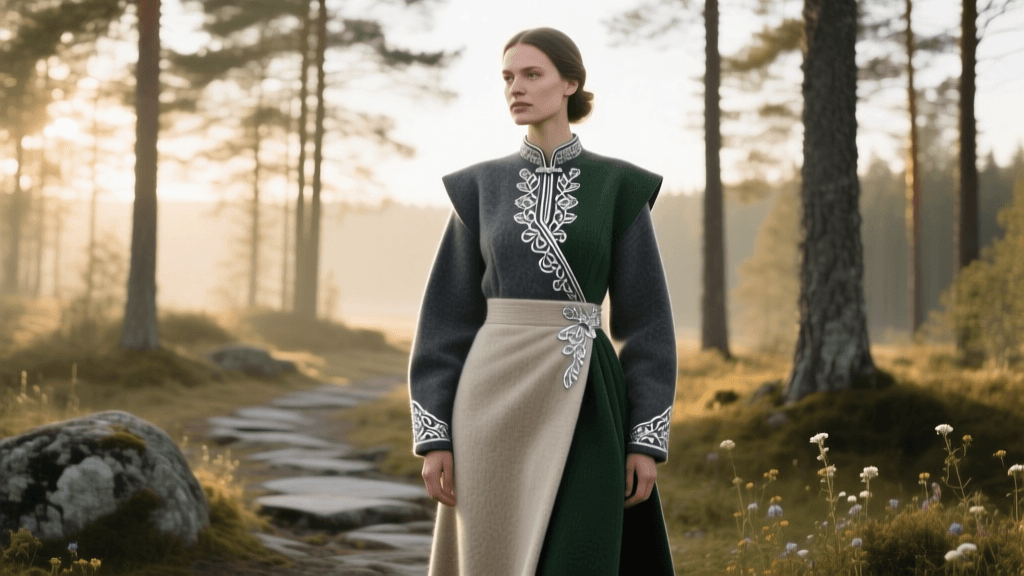
The Norwegian bunad has long stood as a testament to regional pride, ancestral lineage, and extraordinary textile craftsmanship. However, as we navigate the fashion landscape of 2026, the European folk dress revival has reached a fascinating intersection of historical preservation and contemporary sustainability. No longer confined strictly to National Day (Syttende Mai) parades or rural weddings, the bunad is experiencing a renaissance among younger generations who demand ethical production, modern wearability, and versatile styling without compromising cultural integrity.
According to the Norwegian Institute of Bunad and Folk Costume, the past few years have seen a massive surge in requests for bunads that utilize locally sourced, carbon-neutral materials. In 2026, wearing a bunad is not just an act of historical reenactment; it is a deliberate fashion statement that champions slow fashion, artisanal metalwork, and regional identity in a globalized world.
The 2026 Sustainability Mandate in Bunad Tailoring
Historically, the hidden layers of a bunad—such as linings, interlinings, and structural supports—often relied on imported cottons or synthetic blends to keep costs manageable. The 2026 revival movement has fundamentally rejected this approach. Today's discerning buyers and master tailors are prioritizing 100% organic Norwegian linen, hemp blends, and upcycled structural fabrics.
This shift is heavily supported by local agricultural cooperatives. By utilizing flax grown and processed in the Vestland region, contemporary bunad makers are closing the supply chain loop. The result is a garment that breathes better, drapes more naturally, and carries a significantly lower carbon footprint. Furthermore, natural dyeing techniques utilizing regional lichens, birch bark, and madder root have replaced synthetic aniline dyes in many premium workshops, yielding rich, complex colors that age beautifully over decades.
Sourcing Sustainable Wool for the Modern Skirt
The foundation of almost every regional bunad is its wool skirt. In 2026, the conversation around wool has moved beyond mere aesthetics to encompass animal welfare, regenerative grazing, and fiber longevity. The Old Norse Spelsau (short-tailed sheep) remains the gold standard for historical accuracy, but modern eco-certified blends are now making waves in contemporary tailoring.
| Wool Type | Origin & Breed | Durability & Drape | 2026 Eco-Certification | Best Regional Application |
|---|---|---|---|---|
| Old Norse Spelsau | Heritage Norwegian Flocks | Highly durable, slightly coarse, excellent wind resistance | Regenerative Grazing Certified | Hardangerbunad, Telemarksbunad |
| Gudbrandsdal Fine Wool | Gudbrandsdalen Valley | Medium weight, exceptional drape, takes natural dyes vibrantly | Carbon-Neutral Processing | Gudbrandsdal Bunad, Vestoppland |
| Eco-Merino Blend | Nordic-Continental Cross | Ultra-soft, lightweight, requires careful pleating | GOTS Certified Organic | Modernized Urban Bunad Variations |
| Hemp-Wool Weave | Vestland Agricultural Co-op | Structured, breathable, unique textured finish | Zero-Waste Water Processing | Experimental Contemporary Folk Dress |
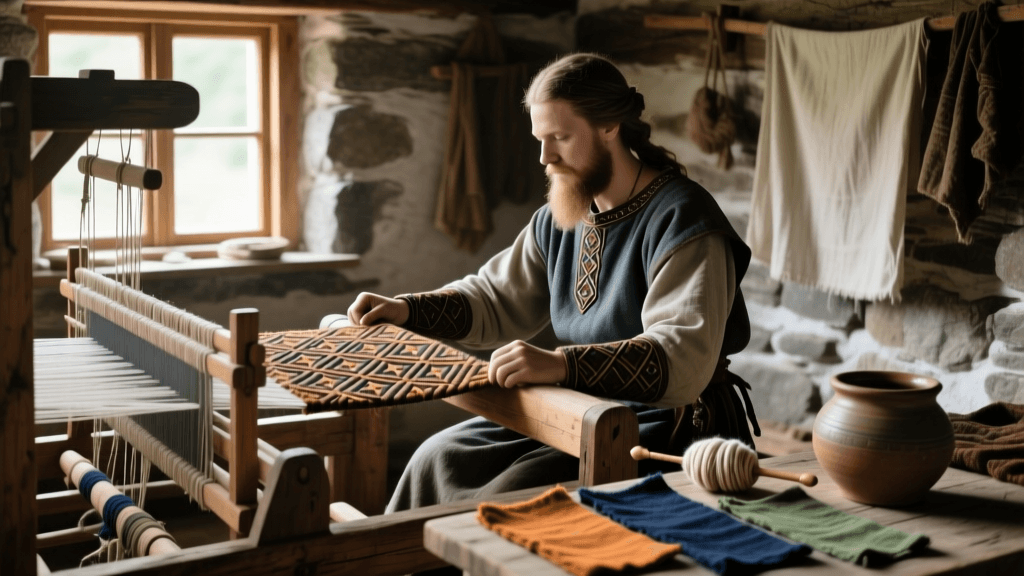
Master weavers in 2026 are utilizing advanced, low-impact looms that reduce water consumption during the fulling (tovning) process by up to 60%. The resulting wool is dense enough to hold the intricate, knife-pleated folds required for skirts like the Hardangerbunad, yet supple enough to move fluidly during contemporary gala dancing.
The Evolution of Sølje: Recycled Silver and Modern Filigree
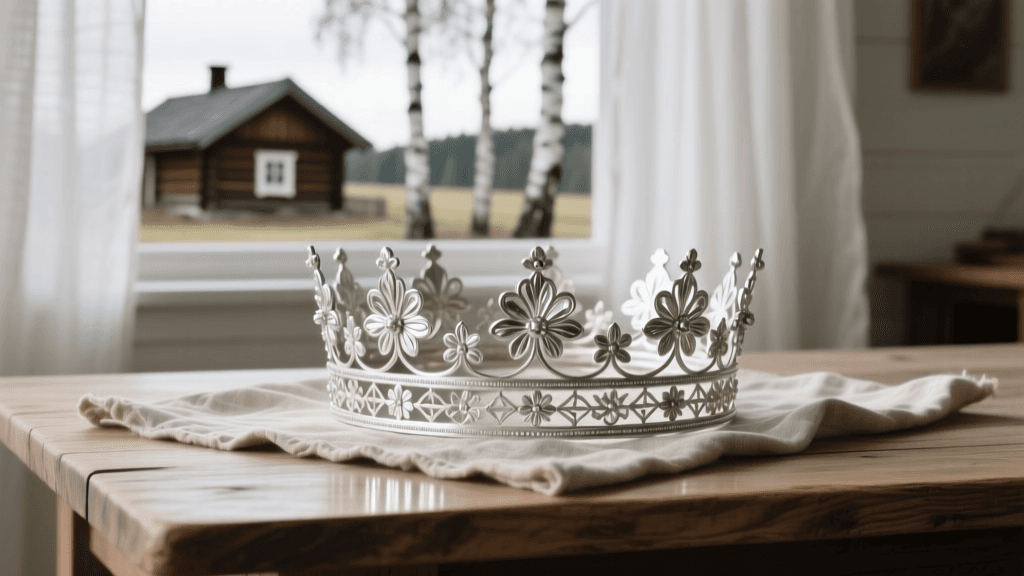
No bunad is complete without its sølje—the traditional silver filigree jewelry that adorns the collar, cuffs, and waist. In 2026, the silver revival is defined by ethical metallurgy. Norges Husflidslag (The Norwegian Craft Association) has championed a new standard for bunad silversmiths, encouraging the use of 100% recycled precious metals and ethically sourced gemstones.
The aesthetic of the silver is also evolving. While high-polish silver remains popular for bridal bunads, the 2026 trend heavily favors oxidized, matte-finish silver that highlights the intricate, three-dimensional nature of the filigree. Artisans are also reviving the vespestøl (waist buckles) with modernized, ergonomic clasps that prevent damage to the delicate wool and embroidery of the bodice. For contemporary stylists, mixing antique family heirloom pieces with newly forged, recycled-silver accents creates a layered, deeply personal narrative that bridges the past and the present.
Contemporary Styling: Wearing the Bunad to Modern Events
The strict, almost dogmatic rules of bunad wearing have relaxed thoughtfully in 2026, allowing for personal expression while maintaining respect for the garment's origins. Whether attending a modern winter gala, an international cultural summit, or a high-end evening wedding, styling the bunad requires a balance of heritage and modern sophistication.
Footwear and Outerwear Pairings
Historically, bunad footwear consisted of simple, flat leather pumps or historical boots that offered little arch support. The 2026 revival has seen a boom in bespoke bunad shoemakers who integrate modern orthopedic technology into traditional designs. Hidden memory-foam insoles, reinforced shanks, and ergonomic lasts are now standard in high-end bunad footwear, allowing wearers to stand and dance comfortably for hours.
For outerwear, the traditional kappe (cape) has been reimagined. Contemporary designers are crafting structured, waist-cinched wool capes with hidden magnetic closures and silk-lined hoods, providing warmth during Scandinavian winters without crushing the delicate pleats of the skirt underneath. Pairing a deep, indigo-dyed wool cape with a vibrant red Telemarksbunad creates a striking, editorial silhouette perfect for modern fashion photography and evening arrivals.
Hair, Makeup, and Minimalist Accessories
While the traditional skaut (married woman's linen headpiece) or the krone (bride's crown) are reserved for specific ceremonial roles, the 2026 approach to everyday bunad hair is elegantly minimalist. Soft, low chignons secured with hand-carved wooden or silver hair sticks are preferred over elaborate, historically rigid updos. Makeup trends for the year favor a 'glass skin' aesthetic—dewy, natural, and luminous—allowing the intricate embroidery and heavy silver jewelry to remain the focal point of the ensemble.
Preserving Heritage While Embracing the Future
Caring for a bunad in 2026 no longer requires harsh chemical dry cleaning. Innovations in eco-friendly textile care have introduced specialized, biodegradable cleaning foams and ozone-sanitization cabinets that gently remove odors and microbes without degrading the natural lanolin in the wool or tarnishing the silver threads used in embroidery.
As documented by the Norwegian Museum of Cultural History, the true strength of folk dress lies in its ability to adapt. The bunad was never meant to be a static museum piece; it is a living, breathing garment that evolves alongside the people who wear it. By embracing sustainable wools, ethical silver, and modern tailoring techniques, the 2026 generation is ensuring that the European folk dress revival remains vibrant, relevant, and breathtakingly beautiful for centuries to come.
Quick Guide: 2026 Bunad Styling Rules for Contemporary Galas
- Jewelry Restraint: Let the traditional sølje shine. Avoid modern diamond or gold jewelry, which clashes with the historical aesthetic and metallic tones of the bunad.
- Skirt Length: While historical accuracy dictates the skirt should fall to the ankle, contemporary formal events allow for a slight mid-calf drop to showcase bespoke leather footwear.
- Shawl Draping: For silk or fine wool shawls, use hidden, antique-style silver shawl pins rather than modern safety pins to maintain a seamless, elegant drape across the shoulders.
- Handwear: In colder months, pair the bunad with thin, elbow-length kidskin leather gloves in neutral tones (ivory, charcoal, or deep brown) rather than heavy winter knitwear.
The European folk dress revival is more than a fleeting trend; it is a profound reconnection with artisanal roots. As we move through 2026, the Norwegian bunad stands as a shining example of how traditional garments can lead the charge in sustainable, ethical, and breathtakingly stylish contemporary fashion.