Japanese Heritage Kimono Styling & Preservation 2026
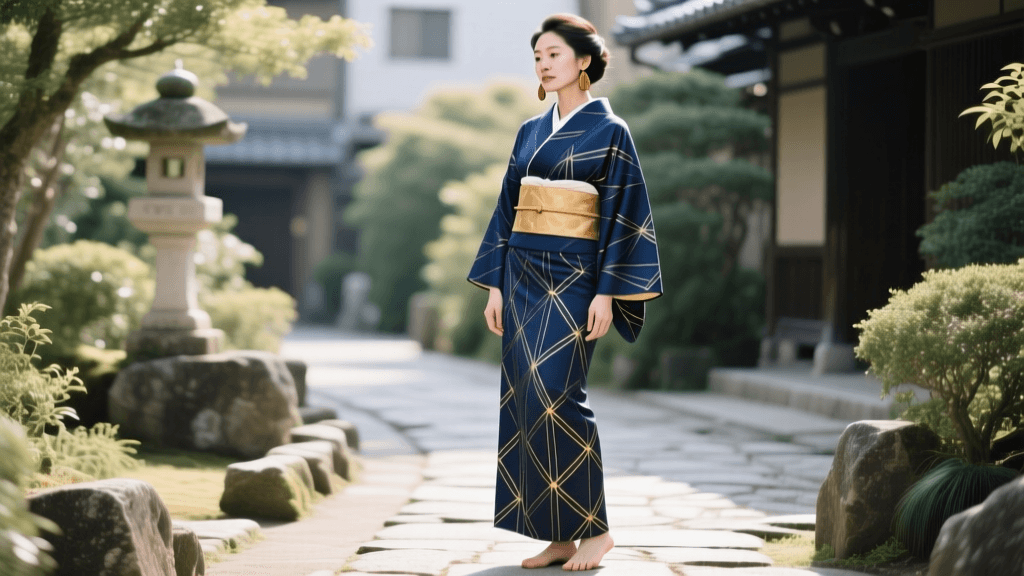
The Renaissance of Japanese Heritage Fashion in 2026
In the 2026 fashion landscape, the intersection of sustainable luxury and cultural preservation has brought traditional Japanese garments to the forefront of global style. Far from being relegated to museums or strictly ceremonial use, heritage textiles like Nishijin-ori and Yuki-tsumugi are experiencing a vibrant renaissance. Modern consumers and international designers alike are drawn to the zero-waste philosophy inherent in kimono construction, where garments are meticulously tailored from single bolts of fabric (tanmono) without cutting away excess material. This comprehensive guide explores the intricate styling, life-stage customs, sensory experiences, and meticulous preservation techniques required to maintain these masterpieces in 2026.
Understanding Nishijin-ori: The Pinnacle of Japanese Weaving
Nishijin-ori, originating from the Nishijin district of Kyoto, represents the zenith of Japanese textile artistry. Characterized by its use of pre-dyed threads and elaborate brocade patterns, this weaving method produces fabrics that are dense, heavy, and visually breathtaking. According to the Japan National Tourism Organization, the Nishijin Textile Center continues to be the beating heart of this craft, showcasing how centuries-old Jacquard looms are now being integrated with 2026's precision digital tension controls to maintain thread integrity while honoring traditional motifs.
In 2026, a hand-woven Nishijin-ori Fukuro Obi (the wide, formal sash) remains a significant investment, typically ranging from ¥350,000 to ¥800,000 ($2,300 to $5,300 USD), reflecting the hundreds of hours of labor and the cost of premium silk and metallic threads. These pieces are not merely accessories; they are wearable heirlooms that dictate the formality and aesthetic balance of the entire kimono ensemble.
Education and Passing Down the Craft
The survival of these complex weaving methods relies heavily on rigorous education and apprenticeship. As of 2026, Kyoto's vocational textile institutes have seen a 15% increase in international applicants, drawn by the meditative discipline and Zen spirituality embedded in the craft. Apprentices spend their first two years solely on dyeing and thread preparation before they are permitted to operate a loom. This dedication ensures that the intangible cultural heritage of Japanese weaving survives the pressures of fast fashion, maintaining a lineage of artisans who understand the spiritual weight of every thread.
Comprehensive Styling Guide: Life Stages and Occasions
Seijin no Hi and Formal Ceremonies
For life's most significant milestones, such as Seijin no Hi (Coming of Age Day) or traditional weddings, the Furisode remains the undisputed garment of choice for unmarried women. Characterized by its long, swinging sleeves (often measuring 100cm to 114cm in length), the Furisode is styled with a lavish Nishijin-ori Obi tied in an intricate, multi-layered knot (musubi) at the back. In 2026, styling trends favor subtle, nature-inspired motifs like winter peonies or flowing water, moving away from the overly bold, contrasting color blocks of the early 2020s.
Modern Casual and International Travel
For international travel and modern casual wear, the Haori (a hip- or thigh-length kimono jacket) and Hakama (pleated trousers) have become incredibly popular. A 2026 travel wardrobe often features a washable silk-blend Komon (a kimono with a repeating, all-over pattern) paired with a solid-color Haori. This combination allows for ease of movement, adapts to varying global climates, and effortlessly bridges the gap between traditional Japanese aesthetics and contemporary Western silhouettes. When traveling, wearers often swap the formal Obi for a simplified, pre-tied Heiko Obi or a stylish, woven Kaku Obi, which provides comfort during long flights while maintaining a dignified appearance.
The Sensory Experience and Zen Spirituality of Kitsuke
The act of dressing in a kimono, known as Kitsuke, is deeply rooted in Zen spirituality and mindfulness. It is a sensory experience that demands presence and deliberate movement. The rustle of the silk, known as kinu-zure, is a highly prized auditory element of the garment. In 2026, practitioners of Kitsuke emphasize the meditative rhythm of wrapping the fabric, aligning the seams, and tying the Obi. This process is viewed not as a chore, but as a moving meditation that centers the mind, aligns the posture, and connects the wearer to the natural world through the textile's seasonal motifs.
Footwear: Tabi, Zori, and Ergonomic Innovations
No traditional Japanese ensemble is complete without the proper footwear. The split-toe Tabi sock is essential, providing the necessary friction and grip for the thong of the Zori (sandals) or Geta (wooden clogs). In 2026, footwear design has merged heritage aesthetics with modern podiatric science. Artisans are now crafting Zori with high-density EVA foam cores wrapped in traditional Nishijin brocade or woven rush grass (igusa). These modern adaptations reduce the foot fatigue historically associated with flat, rigid soles, making them ideal for navigating the cobblestone streets of Kyoto or the polished floors of international galleries.
Preservation: Storage, Humidity, and Kiribako
Silk is a protein fiber that is highly susceptible to humidity, light, and pests. Proper preservation is critical. The traditional method of storing kimonos in Kiribako (boxes made of Paulownia wood) remains the gold standard in 2026. Paulownia wood naturally regulates humidity, expanding to seal out moisture during the rainy season and contracting to allow airflow during dry winters.
- Mushiboshi (Airing Out): Garments must be removed from their boxes and aired out in a shaded, well-ventilated area for two to three days during the dry, crisp weeks of late autumn. Direct sunlight must be strictly avoided to prevent the silk from yellowing and the dyes from fading.
- Pest Prevention: Modern preservation has moved away from harsh chemical mothballs, which can leave a lingering odor and degrade metallic threads. Instead, 2026 best practices utilize natural Hinoki (Japanese cypress) wood chips and dried camphor leaves, which deter insects while imparting a subtle, grounding fragrance to the textiles.
- Folding Technique: Kimonos are folded along their exact seam lines to prevent permanent creasing. Acid-free tissue paper is inserted into the sleeves and hem to maintain the garment's structural volume over decades of storage.
Fabric Comparison Chart: Heritage vs. Modern Textiles
| Textile Type | Weaving/Creation Method | Best Use Case (2026) | Approximate Cost (USD) | Care Requirements |
|---|---|---|---|---|
| Nishijin-ori | Pre-dyed threads, complex brocade Jacquard loom | Formal Obi, high-end Haori accents | $2,300 - $5,300+ | Professional specialist cleaning only; strict humidity control |
| Yuki-tsumugi | Hand-spun silk floss, mud-dyed, hand-loomed | Everyday luxury, tea ceremony, quiet travel | $1,500 - $4,000 | Gentle hand-washing possible after multiple wears; air dry |
| Modern Washable Silk | Machine-woven, chemically treated for water resistance | Casual summer wear (Yukata), international travel | $150 - $400 | Machine washable on delicate cycle; low heat iron |
| Ro / Sha (Gauze) | Leno weave, creating sheer, breathable fabric | High-summer formal events, July/August wear | $800 - $2,500 | Specialist dry cleaning; store flat to prevent snagging |
Sourcing and Supporting Artisans in 2026
When sourcing authentic Japanese garments today, provenance is paramount. The UNESCO Intangible Cultural Heritage designation for techniques like Yuki-tsumugi has helped protect regional weavers from mass-market imitation. Buyers in 2026 are encouraged to purchase directly from cooperative guilds in Kyoto, Ibaraki, and Niigata, or through verified heritage dealers who provide certificates of authenticity detailing the artisan's name, the dye materials used, and the specific loom type.
As noted by curators at the Victoria and Albert Museum, the kimono is not a static relic of the past, but a dynamic, evolving garment that continues to influence global fashion. By understanding the profound history, mastering the meditative art of styling, and committing to rigorous preservation, modern wearers ensure that the legacy of Japanese heritage textiles will continue to drape the world in elegance for generations to come.