2026 Hanfu Guide: Dressing for Birth, Wedding & Ancestral Rites
The Renaissance of Hanfu in Modern Family Milestones
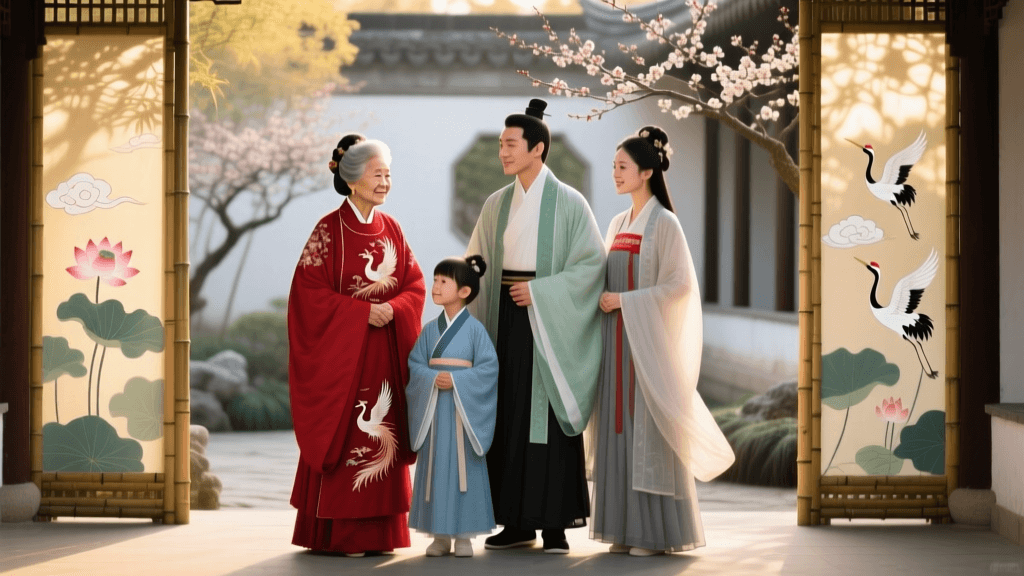
As we navigate through 2026, the Hanfu movement has evolved from a niche internet subculture into a deeply embedded aspect of contemporary Asian family life. No longer reserved merely for cosplay or street fashion, traditional Chinese clothing is now the standard for major life milestones. According to cultural analysts tracking the rebirth of China's ancient dress, modern families are increasingly seeking historical accuracy and spiritual resonance when dressing for births, weddings, and ancestral worship. This shift represents a profound return to ritual propriety, or li, connecting 21st-century families with centuries of sartorial heritage.
For families planning their ceremonial wardrobes this year, understanding the distinct dress codes for different life events is crucial. The garments chosen for a joyous wedding differ vastly in color, fabric, and silhouette from those worn during solemn ancestral rites. This comprehensive 2026 guide breaks down the etiquette, styles, and modern sourcing strategies for Hanfu across the three most significant family ceremonies.
Birth and Early Childhood: Zhuazhou and Hundred Days
The arrival of a child and their subsequent first-year milestones, such as the Hundred Days (Bairi) and the First Birthday Grab (Zhuazhou), are joyous occasions that call for auspicious symbolism. In 2026, parents are moving away from mass-produced, synthetic baby outfits in favor of breathable, natural fibers that honor both the child's comfort and historical authenticity.
Infant and Toddler Hanfu Styles
For infants, the traditional Doukou (a type of embroidered belly band) and soft, wrap-around Jiaoling Youren (cross-collared right-over-left) tops are standard. The right-over-left rule is paramount; reversing it is historically associated with mourning and is a strict faux pas in Hanfu etiquette. Modern parents in 2026 often commission organic cotton and bamboo-silk blends for these garments, ensuring that the delicate skin of the baby is protected from harsh dyes.
Colors for birth ceremonies lean heavily into auspicious reds, soft pinks, and warm yellows. Embroidery motifs frequently feature tigers (to ward off evil spirits), lotuses, and carp. A high-quality, hand-embroidered toddler Zhuazhou outfit from a bespoke artisan typically ranges from $120 to $250 USD in 2026, reflecting the premium placed on natural, baby-safe eco-dyes.
Parent Attire for Birth Ceremonies
Parents hosting a Zhuazhou banquet should opt for dignified yet comfortable styles. The Song Dynasty Beizi (a long, open-front jacket) paired with a pleated skirt is highly recommended for mothers. It offers an elegant silhouette without the restrictive layering of formal court wear, allowing mothers to move freely while hosting guests and tending to the child.
Traditional Hanfu Weddings: The Ming Dynasty Standard
While Tang and Song dynasty styles have their place in modern fashion, the Ming Dynasty aesthetic remains the undisputed gold standard for traditional Hanfu weddings in 2026. The Ming era represents the last Han-led dynasty, and its highly codified sumptuary laws created a bridal aesthetic that is visually stunning, deeply symbolic, and widely recognized as the traditional Chinese wedding garment.
The Bride’s Fengguan Xiapei and Aoqun
The ultimate bridal ensemble is the Fengguan Xiapei (Phoenix Crown and Cloud Cape). As detailed in extensive historical records of Ming Dynasty Fengguan headwear, the crown is an intricate masterpiece of filigree, kingfisher feathers (now ethically replicated with dyed goose feathers and silk), and pearls. In 2026, brides often rent these elaborate headpieces, which can cost upwards of $2,000 USD to purchase authentically, while buying their tailored Aoqun (jacket and skirt) sets.
The bridal Ao is typically a standing-collar, long-sleeved jacket made of heavy silk brocade or velvet for winter weddings, and lightweight Xiangyunsha (gambiered silk) for summer. The accompanying Mamianqun (horse-face skirt) features deep, structured pleats and woven gold motifs of dragons, phoenixes, or peonies. Brides must ensure the skirt's waistband is securely tied and the pleats fall perfectly, a process that often requires a professional Hanfu dresser on the wedding day.
The Groom’s Yuanlingpao and Wushamao
Grooms traditionally wear the Yuanlingpao, a round-collared robe, often in deep crimson, navy, or black, adorned with rank-badge embroidery (typically the mandarin duck or crane to symbolize fidelity and longevity). The robe is paired with a Wushamao (black gauze cap) with wing-like flaps. For a complete 2026 groom's package, including custom tailoring and leather-soled cloth boots, budgets generally start around $600 USD.
Ancestral Rites and Qingming: Respectful Simplicity
Ancestral worship, particularly during the Qingming Festival (Tomb-Sweeping Day) and the Zhongyuan Festival (Ghost Festival), requires a starkly different sartorial approach. The core tenets of dressing for the ancestors are modesty, solemnity, and respect. Flashy colors, excessive jewelry, and overly luxurious fabrics are considered inappropriate and distracting from the spiritual purpose of the rites.
Song Dynasty Modesty and Color Rules
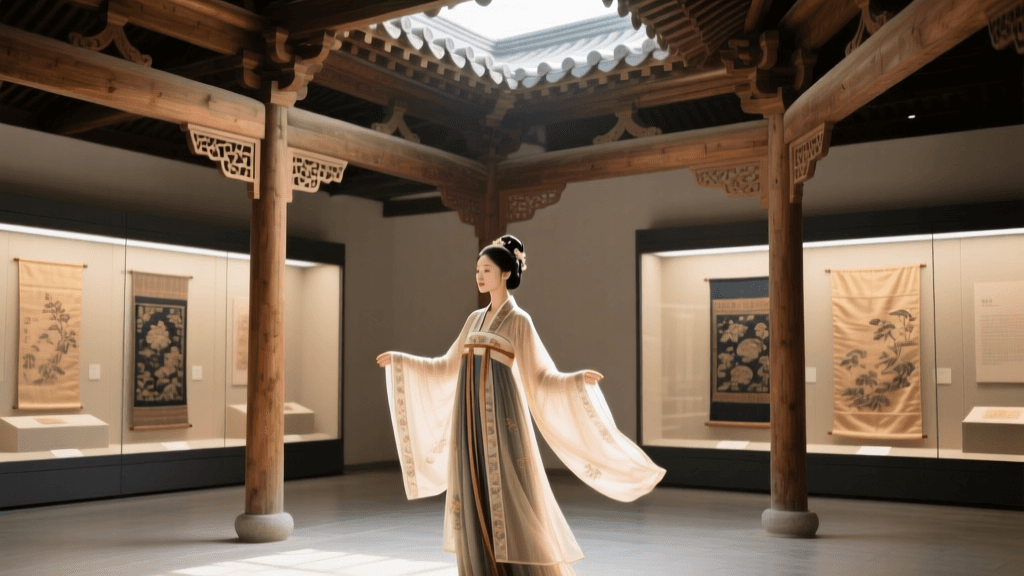
For ancestral rites, the Song Dynasty aesthetic is the most appropriate. The Song era prized intellectualism, subtlety, and understated elegance. Both men and women should opt for muted, earthy tones: slate grey, deep indigo, olive green, and unbleached white. The evolving Hanfu movement has seen a massive surge in demand for these understated, scholarly garments, as younger generations seek deeper, more grounded connections to their lineage.
Women typically wear a plain, unpatterned Beizi over a simple camisole and a solid-colored skirt. Men wear a Shenyi (deep robe) or a simple cross-collared Ruqun. Fabrics should be matte—raw silk, linen, and ramie are ideal. The focus is on the cleanliness of the garment and the neatness of the wearer's hair, which must be tied up securely using simple wooden or jade hairpins. Flashy metal hairpins or bright silk ribbons should be left at home.
Eco-Friendly Dyes and Sustainable Ceremonial Wear
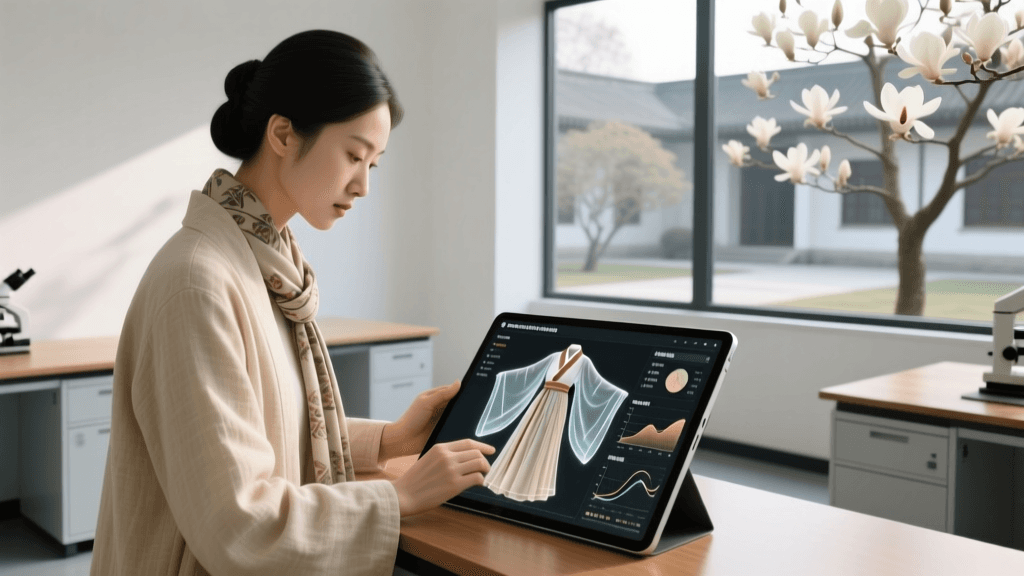
A major trend defining the 2026 Hanfu market is the return to natural, plant-based dyeing methods, particularly for garments worn during sacred family rites. Families are increasingly conscious of the environmental impact of synthetic chemical dyes, which can pollute waterways and cause skin irritation. For birth ceremonies and ancestral rites, artisan workshops are utilizing traditional techniques such as indigo fermentation, pomegranate rind boiling, and gambiered silk mud-dyeing.
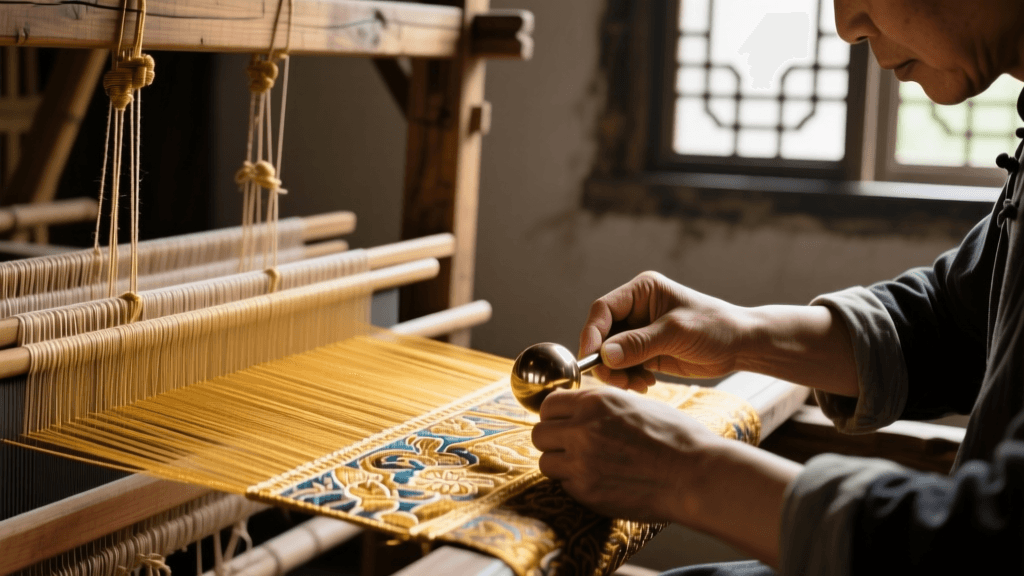
Xiangyunsha, often referred to as 'soft gold' in the silk industry, is dyed using the juice of the Dioscorea cirrhosa yam and sealed with iron-rich river mud. This labor-intensive, eco-friendly process results in a fabric that is naturally antimicrobial, sweat-resistant, and incredibly durable—making it the ultimate choice for high-end 2026 wedding Aoqun and formal ancestral robes. When sourcing these garments, look for certifications from the Intangible Cultural Heritage departments to ensure you are supporting authentic, sustainable craftsmanship rather than chemically treated imitations.
Essential Accessories for the Complete Look
No ceremonial Hanfu is complete without the proper accessories. For weddings, brides should invest in hand-embroidered silk shoes, often featuring cloud motifs and padded soles for comfort during long tea ceremonies. Grooms require a leather or jade belt, known as a Da, to secure the Yuanlingpao. For ancestral rites, simplicity reigns; a plain wooden or bamboo folding fan and a simple jade pendant are the only acceptable adornments. Avoid wearing modern wristwatches or visible contemporary jewelry, as these break the historical immersion and show a lack of respect for the traditional aesthetic.
2026 Hanfu Ceremony Budget & Sourcing Guide
Sourcing authentic Hanfu in 2026 is easier than ever, with a mix of established heritage brands, independent artisans, and global boutique retailers. Below is a comparative guide to help families budget for their ceremonial wardrobes this year.
| Ceremony Type | Recommended Dynasty/Style | Primary Fabric (2026 Trends) | Estimated Cost (USD) |
|---|---|---|---|
| Infant Zhuazhou (1st Birthday) | Ming/Tang inspired cross-collar | Organic Cotton, Bamboo-Silk | $120 - $250 |
| Bridal Wedding (Bride) | Ming Dynasty Aoqun & Fengguan | Xiangyunsha, Silk Brocade | $450 - $1,200 (Crown rented) |
| Bridal Wedding (Groom) | Ming Dynasty Yuanlingpao | Heavy Silk, Velvet | $300 - $600 |
| Ancestral Rites (Qingming) | Song Dynasty Beizi / Shenyi | Raw Silk, Linen, Ramie | $150 - $350 |
Tailoring, Etiquette, and Final Thoughts
When commissioning bespoke Hanfu for 2026 ceremonies, always provide your tailor with precise measurements, including the tongxiu (sleeve length from collar to cuff) and the exact floor clearance for skirts. For ancestral rites and weddings, sleeves should ideally cover the hands when the arms are resting at the sides, a traditional marker of respect and elegance.
Proper Hanfu etiquette is not just about wearing the right clothes; it is about embodying the respect, joy, or solemnity that the occasion demands. The garment is a vessel for the family's cultural memory.
Whether you are welcoming a new life into the world, binding two families in matrimony, or honoring the ancestors who paved the way, selecting the correct Hanfu ensures that your family's milestones are wrapped in the dignity and beauty of Asian traditions. By adhering to historical dress codes and embracing the sustainable, natural fabrics trending in 2026, your family ceremonies will be both visually breathtaking and culturally profound.