2026 LDS Garment Styles: Modern Materials & Fabric Updates
The Sacred Intersection of Tradition and Textile Innovation
For members of The Church of Jesus Christ of Latter-day Saints, temple garments represent a deeply sacred commitment, serving as a personal, physical reminder of covenants made within the temple. While the spiritual significance of the garment remains unchanged since its introduction in the 19th century, the physical construction, materials, and styles have undergone continuous refinement. As we navigate the 2026 distribution catalog, the intersection of sacred modesty and modern textile technology has never been more apparent. Today's Latter-day Saints benefit from advanced fabric weaves, climate-specific designs, and inclusive sizing that honor the garment's holy purpose while accommodating the rigorous demands of modern daily life.
Understanding the Purpose and Meaning
Rooted in the early history of the Americas and the pioneer era, the temple garment is an undergarment worn by endowed members of the Church. It features specific, sacred marks that hold deep theological meaning, symbolizing protection, devotion, and a connection to the divine. According to the Church's official guidelines, the garment should be worn day and night throughout a member's life. Because it is worn continuously in diverse global environments—from the humid tropics of Central America to the freezing winters of the North American Rockies—textile durability, breathability, and comfort are paramount. For a deeper understanding of the spiritual context, members and researchers often refer to the Gospel Topics essay on Temples, which outlines the historical and theological foundations of temple ordinances and associated clothing.
2026 Fabric Lineup: A Comprehensive Comparison
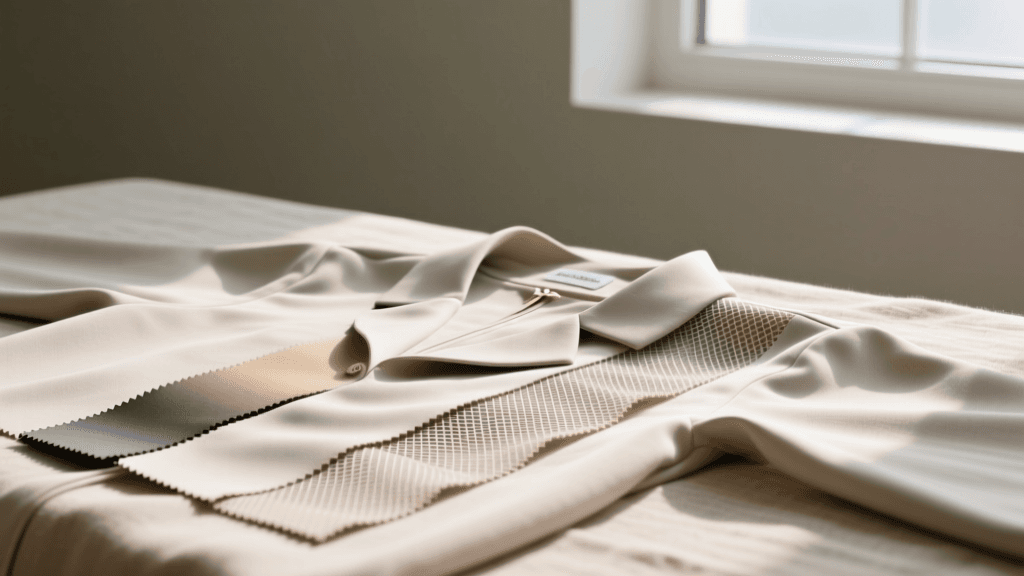
The 2026 lineup of temple garments reflects a massive leap forward in sustainable textile sourcing and ergonomic design. The Church's distribution services have expanded their offerings to ensure that every member can find a fabric that suits their sensory needs, climate, and lifestyle. Below is a comprehensive comparison of the primary materials available in 2026.
| Material | Best For | Breathability | Stretch & Recovery | 2026 Price Range (USD) |
|---|---|---|---|---|
| 100% Combed Cotton | Sensitive skin, everyday wear | High | Low | $9.50 - $11.00 |
| Cotton-Modal Blend | All-season comfort, soft drape | High | Medium | $11.50 - $13.00 |
| Performance Nylon-Spandex | Active lifestyles, travel, athletics | Medium | Very High | $12.50 - $14.50 |
| Bamboo-Tencel Eco-Blend (New) | Hot/humid climates, eco-conscious | Very High | Medium | $13.50 - $15.50 |
100% Combed Cotton
The traditional 100% combed cotton remains a staple for members who prefer natural fibers and have sensitive skin or allergies to synthetic blends. In 2026, the cotton weave has been slightly refined to reduce pilling and shrinkage, addressing historical complaints about the garment losing its shape after repeated washing. However, it still lacks the mechanical stretch of modern synthetics, making it less ideal for high-intensity physical activities.
Cotton-Modal Blends
Modal, a semi-synthetic fiber made from beech tree pulp, has been blended with cotton to create a fabric that is exceptionally soft, resistant to shrinking, and highly breathable. This blend remains the most popular choice for everyday wear among both men and women in 2026, offering a luxurious drape that conforms to the body without feeling restrictive.
Performance Nylon-Spandex
Designed for athletes, military personnel, and frequent travelers, the nylon-spandex blend wicks moisture away from the skin and dries rapidly. The 2026 iteration features an improved antimicrobial treatment that resists odor buildup, a crucial feature for members living in active or off-grid scenarios where daily laundering is not possible.
The New 2026 Bamboo-Tencel Eco-Blend
Introduced in late 2025 and fully stocked for 2026, the Bamboo-Tencel Eco-Blend is a revolutionary addition to the distribution catalog. Bamboo fibers offer natural temperature regulation and incredible softness, while Tencel (lyocell) provides sustainable strength and moisture-wicking properties. This fabric is highly recommended for members living in the American Southwest, Latin America, and other high-heat regions.
Modern Style Updates and Silhouette Options
While the sacred marks and the fundamental requirement for modesty (covering the midriff, upper thighs, and shoulders) remain strictly non-negotiable, the silhouette and cut of the garments have diversified significantly. The official Church temple clothing and garments guide outlines the approved variations that allow members to wear the garment comfortably beneath modern professional and casual attire.
Women's Garment Styles
Women's tops in 2026 are available in a wide array of necklines to accommodate different outerwear styles without the garment showing. Options include the traditional crew neck, the v-neck, the scoop neck, and the rounded peter-pan collar. Sleeve lengths range from the cap sleeve (ideal for summer blouses) to the short sleeve, three-quarter sleeve, and long sleeve for winter layering. The bottom pieces feature variations in leg length, from the standard mid-thigh cut to the longer 'boy-short' style, which prevents chafing during physical activity and provides a seamless look under lightweight skirts and dresses.
Men's Garment Styles
Men's garments have also seen ergonomic upgrades. The 2026 men's tops feature reinforced shoulder seams and a tailored torso that prevents the fabric from bunching under fitted dress shirts. Bottoms are available in the traditional boxer-brief cut, as well as a longer inseam option for men who experience thigh chafing or who work in physically demanding trades where extra coverage and support are necessary.
Adaptive and Maternity Options
One of the most celebrated updates in recent years, which has been expanded for 2026, is the adaptive garment line. Designed for members with mobility issues, disabilities, or those recovering from surgery, these garments feature discreet side-openings with soft, sensory-friendly Velcro or magnetic closures. Additionally, the maternity line offers stretch-panels and adjustable hems that accommodate a growing belly while maintaining the required coverage and sacred modesty throughout pregnancy and postpartum recovery.
Climate-Specific Recommendations for 2026
Choosing the right garment material is heavily dependent on your local climate and daily routine. Here are the top recommendations for 2026 based on regional environments:
- Hot and Humid (e.g., Florida, Central America, Hawaii): Opt for the Bamboo-Tencel Eco-Blend or the Cotton-Modal cap-sleeve sets. The moisture-wicking properties will prevent heat rash and discomfort.
- Cold and Dry (e.g., Canada, Northern US, Andes): The 100% Cotton long-sleeve tops paired with the standard bottom provide an excellent base layer for thermal insulation without trapping excess sweat.
- Active/Variable (e.g., Pacific Northwest, frequent travelers): The Performance Nylon-Spandex is essential. It packs down small in a suitcase, washes easily in a hotel sink, and dries overnight.
Purchasing, Pricing, and Care Guidelines
Temple garments are exclusively available through the Church's official Distribution Services, either in person at local distribution centers near temples or via the secure online portal. As of 2026, pricing remains heavily subsidized to ensure accessibility for all members, with individual tops and bottoms ranging from $9.50 to $15.50 USD depending on the material and style complexity.
Proper care is essential to maintain the integrity of the sacred marks and the longevity of the modern fabrics. The 2026 care labels emphasize sustainability and fabric preservation:
- Washing: Machine wash cold with like colors. Avoid harsh detergents and never use chlorine bleach, which degrades the spandex and modal fibers and can damage the sacred marks.
- Drying: Tumble dry on low heat or hang dry. The Bamboo-Tencel and Modal blends are particularly susceptible to high-heat damage, which causes micro-tears in the fabric.
- Respectful Disposal: When garments become worn, thin, or damaged beyond repair, members are instructed to carefully cut out the sacred marks and destroy them (usually by burning or cutting into unrecognizable pieces) before discarding the remaining fabric, ensuring the sacred symbols are never treated as common refuse.
Conclusion
The 2026 updates to LDS temple garments represent a thoughtful, respectful evolution of a sacred tradition. By embracing modern textile science—from eco-friendly bamboo blends to inclusive adaptive designs—the Church ensures that the physical burden of wearing the garment is minimized, allowing members to focus entirely on its spiritual weight. Whether navigating the sweltering heat of a Latin American summer or the brisk winds of a North American winter, Latter-day Saints today have access to materials that honor their covenants while seamlessly integrating into the realities of contemporary life.