LDS Temple Garments 2026: Complete History & Style Guide
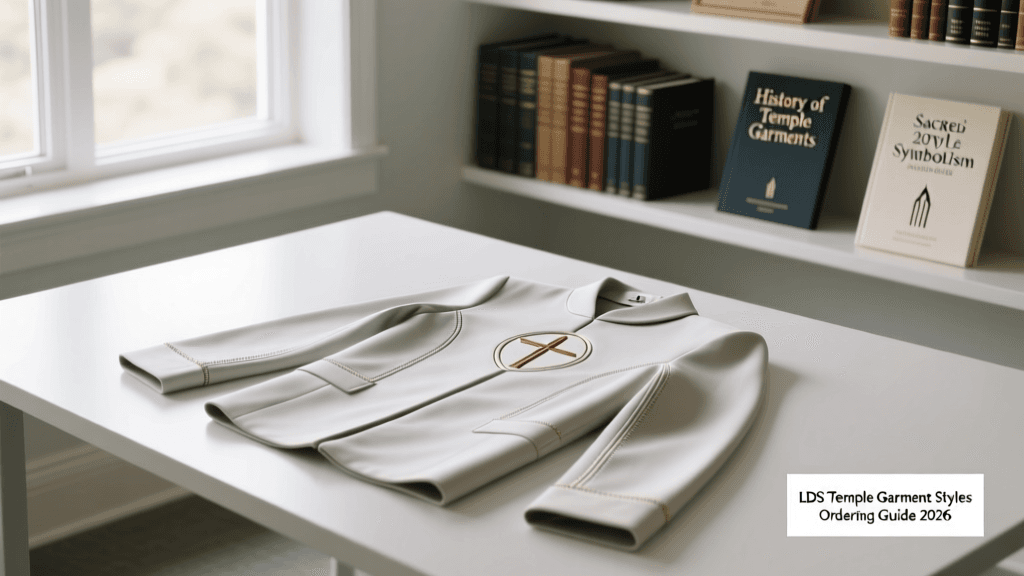
Introduction to LDS Temple Garments
For members of The Church of Jesus Christ of Latter-day Saints, temple garments hold profound spiritual significance. Often referred to simply as "garments" or "sacred clothing," they are worn by endowed members as a daily, personal reminder of the covenants made in holy temples. As we navigate the 2026 landscape of LDS clothing, the Church's Distribution Center continues to offer an evolving array of fabrics, cuts, and specialized designs that cater to a global membership while maintaining the sacred integrity of the garment's symbolic marks.
This comprehensive guide explores the rich history, theological meaning, and the complete 2026 catalog of temple garments. Whether you are preparing to receive your own endowment, looking to update your wardrobe with the latest fabric technologies, or seeking adaptive options, this guide provides actionable, up-to-date information for the modern Latter-day Saint.
The Historical Evolution of Sacred Clothing
The origin of the temple garment dates back to 1842 in Nauvoo, Illinois, when Joseph Smith introduced the temple endowment to a small group of early Church leaders. According to the Church Newsroom, the garments were initially designed as a one-piece union suit, extending to the wrists and ankles, modeled after the sacred vestments of ancient priests. These early garments were made of heavy cotton or linen flannel, entirely hand-stitched, and featured the sacred marks embroidered directly onto the fabric.
As the Church migrated westward to the Salt Lake Valley and expanded globally throughout the 20th century, practical modifications were authorized by Church leadership. In the 1920s and 1930s, the one-piece design was transitioned into the two-piece top and bottom style familiar to members today. This shift allowed for greater mobility and comfort in an increasingly industrialized and active world.
The late 20th and early 21st centuries saw a revolution in textile technology. The introduction of synthetic blends, stretch fabrics, and specialized women's cuts in recent years—culminating in the expansive style options available in 2026—reflects the Church's ongoing effort to make the sacred clothing accessible, comfortable, and practical for members in diverse climates and lifestyles, from the humid tropics of Brazil to the corporate offices of New York City.
Theological Meaning and Sacred Covenants
Temple garments are not considered magical or protective in a superstitious sense; rather, they serve as a spiritual shield and a tangible reminder of divine promises. The General Handbook of the Church states that the garment "provides a constant reminder of the covenants made in the temple" and should be worn throughout the life of the member as a symbol of their commitment to Jesus Christ.
"The garment of the holy priesthood reminds us of the veil in the temple, that veil which is the last ordinance we receive in the temple before we go out into the world. It is a reminder that we are not just going out into the world to do what the world does, but that we are going out into the world as a covenant people." — Elder Boyd K. Packer
The marks woven or embroidered into the garments represent specific gospel principles, including the Atonement of Jesus Christ, the importance of honoring the creations of God, and the necessity of striving for spiritual purity. Because of their sacred nature, members are instructed to treat the garments with the utmost respect, never displaying them casually or discussing their specific marks in a flippant manner.
Understanding the 2026 Garment Styles and Fabrics
The 2026 catalog from the Official LDS Distribution Store features a highly diverse lineup of fabrics and cuts. Following the landmark updates to women's neckline and sleeve options introduced over the last few years, the 2026 lineup emphasizes breathability, stretch, and inclusive sizing.
2026 Fabric and Style Comparison Chart
| Fabric Type | Composition | Best For | 2026 Price Range (Per Piece) |
|---|---|---|---|
| Stretch Cotton | 95% Cotton, 5% Spandex | Everyday wear, office, moderate climates | $9.50 - $12.50 |
| Modacrylic Blend | Modacrylic, Cotton, Nylon | Durability, frequent travel, cold climates | $8.50 - $11.00 |
| Ultra-Lightweight Mesh | Polyester, Spandex Mesh | Hot/humid climates, summer wear | $10.00 - $13.50 |
| Performance Athletic | Moisture-wicking Synthetics | Gym, outdoor labor, high-sweat activities | $11.50 - $14.50 |
| Maternity Panel | Cotton/Spandex with expandable mesh | Pregnancy and postpartum recovery | $13.00 - $16.00 |
Women's 2026 Style Options
Women now have unprecedented flexibility in choosing garment tops that align with their modest outer clothing. The 2026 options include:
- Crew Neck & V-Neck: Standard options that provide full coverage for most blouses and professional attire.
- Scoop Neck: Designed for wider necklines while maintaining the sacred coverage requirements.
- Cap Sleeve & Short Sleeve: Ideal for warmer weather and active lifestyles.
- Caraco / Camisole Style: Features adjustable straps and a lower, broader neckline for modern fashion compatibility, while strictly preserving the required coverage zones.
Men's 2026 Style Options
Men's options remain streamlined but utilize advanced textile engineering. Options include the traditional crew neck, the increasingly popular v-neck (ideal for unbuttoned collared shirts), and long-sleeve variants for winter months or sun protection during outdoor work.
How to Measure and Order in 2026
Purchasing temple garments is restricted to endowed members of the Church. In 2026, the ordering process is heavily integrated into the Church's digital ecosystem via the LDS Store app and website. Your Church Account must be linked to an endowed membership record to unlock the sacred clothing category.
Step-by-Step Measuring Guide
To ensure a comfortable fit that does not bind or distract, accurate measuring is crucial. Use a soft fabric measuring tape:
- Chest/Bust: Measure around the fullest part of the chest/bust, keeping the tape level under the arms.
- Waist: Measure around the natural waistline (the narrowest part of the torso, usually just above the belly button).
- Hips: Measure around the fullest part of the hips and buttocks.
- Inseam (For Bottoms): Measure from the upper inner thigh down to the desired ankle length. Standard inseams in 2026 range from 28" to 34", with knee-length and mid-calf options available for women.
Pro Tip: If your measurements fall between two sizes on the 2026 Distribution sizing chart, it is generally recommended to size up for the Stretch Cotton and Modacrylic blends to prevent the sacred marks from stretching out of proportion, which can cause premature wear on the embroidery.
Specialized, Adaptive, and Military Options
The Church recognizes that a global membership requires specialized solutions. The 2026 catalog includes several vital adaptations:
- Maternity and Nursing: Garment tops feature discreet, overlapping nursing access panels, while bottoms include over-the-bump and under-the-bump expandable mesh panels that grow with the mother.
- Adaptive Clothing: For members with limited mobility or disabilities, the Distribution Center offers garments with shoulder snaps, velcro closures, and side-seam openings. These can be ordered by contacting Distribution Services directly if they are not immediately visible in the standard app interface.
- Military Compliance: Active-duty military members can purchase garments dyed to match standard-issue military undershirts (such as coyote brown or olive drab) and cut to comply with strict uniform regulations regarding sleeve length and neckline visibility.
Care, Maintenance, and Respectful Disposal
Proper care extends the life of your garments and maintains their modesty and comfort. In 2026, most stretch and performance fabrics are machine washable. Use cold or warm water with a mild detergent, and avoid bleach, which degrades the spandex and weakens the embroidered marks. Tumble dry on low heat or air dry to preserve the elasticity of the 2026 fabric blends.
Respectful Disposal
When garments become worn, torn, or no longer usable, they must be disposed of respectfully. The standard procedure requires members to carefully cut out the sacred marks (the symbols located on the chest and knee areas). Once the marks are removed and destroyed, the remaining fabric can be discarded in the regular trash. The marks themselves should be cut into unrecognizable pieces before being thrown away, ensuring they are never treated as common refuse.
Conclusion
The temple garment remains a steadfast symbol of faith, covenants, and devotion for millions of Latter-day Saints worldwide. The 2026 advancements in fabric technology, inclusive sizing, and style variations demonstrate a thoughtful balance between preserving ancient sacred traditions and accommodating the practical realities of modern life. By understanding the history, selecting the right fabrics for your climate, and properly caring for your sacred clothing, you can ensure that your garments remain a comfortable and constant reminder of your spiritual commitments throughout your daily life.