2026 Japanese Kimono Layering Guide: Modern Kitsuke Styles & Rules
The Evolution of Kitsuke in 2026
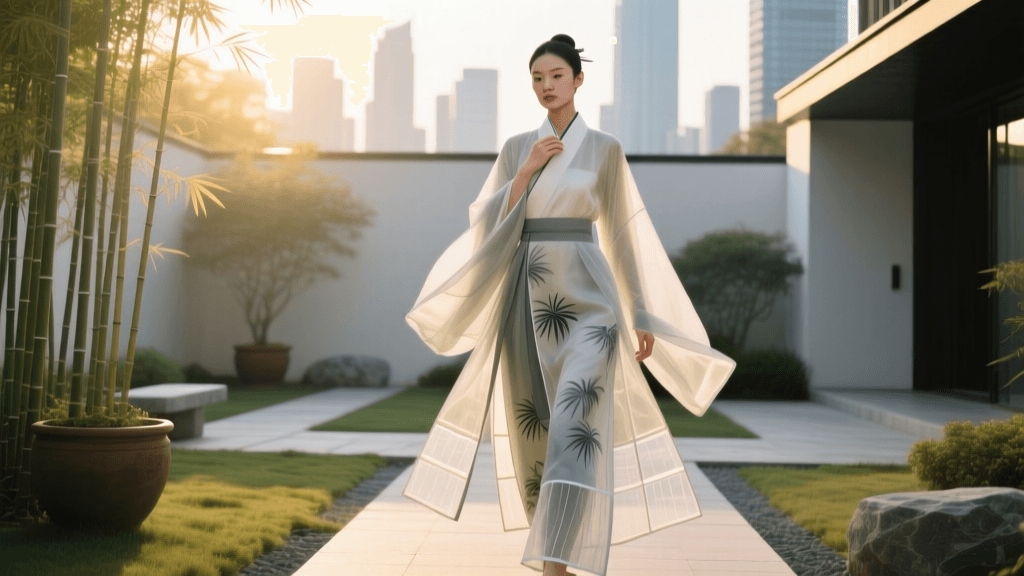
The art of wearing the kimono, known as kitsuke, has undergone a profound renaissance as we navigate through 2026. No longer confined to strictly ceremonial occasions or rigid historical reenactments, modern Japanese fashion styles have embraced the kimono as a dynamic, living garment. Today, the global fashion dialogue heavily incorporates Zen-minimalism, where the structural integrity and textile artistry of the kimono are highlighted rather than hidden beneath excessive accessories. For international travelers, cultural enthusiasts, and fashion historians alike, understanding the comprehensive rules of kimono layering is essential. This guide explores the intricate balance of traditional weaving methods, seasonal transitions, and practical styling techniques that define Japanese fashion in the current era.
Core Components of the Layered Silhouette
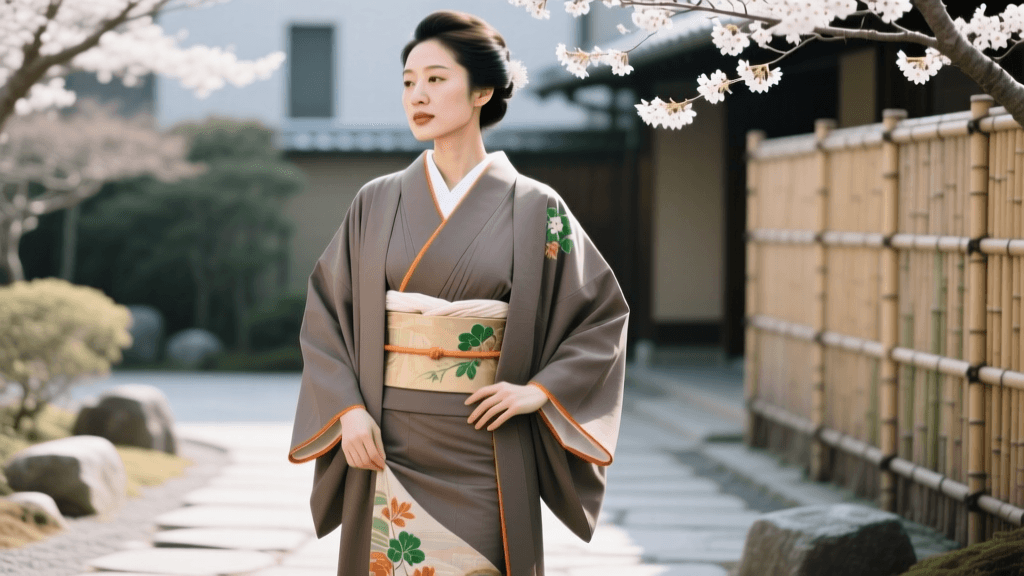
The kimono is not a single garment but a carefully curated ensemble of layered textiles, each serving a specific functional and aesthetic purpose. Mastery of kitsuke requires an intimate understanding of these components and how they interact to create the iconic cylindrical silhouette.
- Nagajuban (Under-kimono): The foundational layer that protects the outer silk from body oils and sweat. In 2026, breathable, moisture-wicking synthetic blends are highly popular for summer travel, while traditional ro (sheer) silk remains the standard for formal tea ceremonies.
- Kimono (Outer Garment): The primary canvas. The sleeve length, pattern placement, and fabric weight dictate the formality and seasonal appropriateness of the outfit.
- Obi (Sash): The structural anchor. A maru or fukuro obi is used for formal wear, while a hanhaba (half-width) obi is favored for casual, everyday styling.
- Obiage and Obijime: The decorative silk cloth (obiage) that tucks above the obi, and the braided cord (obijime) that secures it. These elements provide a crucial pop of contrasting color and texture, embodying the Zen concept of subtle, deliberate accents.
Seasonal Layering and Traditional Weaving Methods
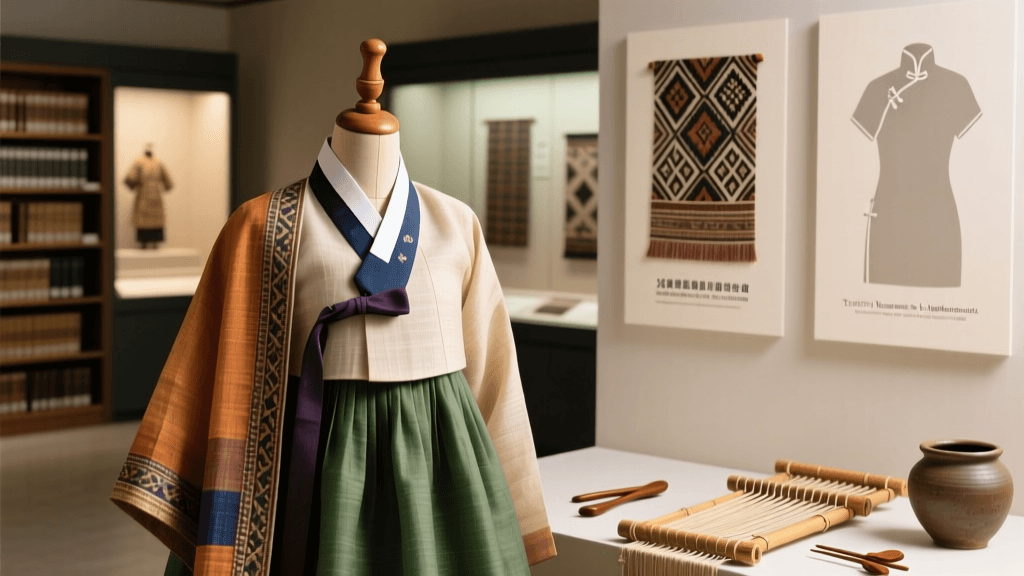
Japanese fashion is intrinsically tied to the natural world. The rules of seasonality dictate not only the visual motifs (such as cherry blossoms in spring or maple leaves in autumn) but also the physical weight, weave, and transparency of the fabric. Understanding traditional weaving methods is critical for selecting the appropriate garment for the climate.
For the cooler months spanning October through May, the awase (lined) kimono is worn. These garments often feature exquisite Nishijin-ori brocade weaves, a technique originating in Kyoto that utilizes gold and silver threads to create opulent, heavy textiles. As the humidity rises in June, the wardrobe transitions to the hitoe (unlined) kimono, allowing for greater air circulation. During the peak heat of July and August, the usugawa or ro (sheer, leno-weave) kimono takes precedence, offering a cooling visual and physical effect.
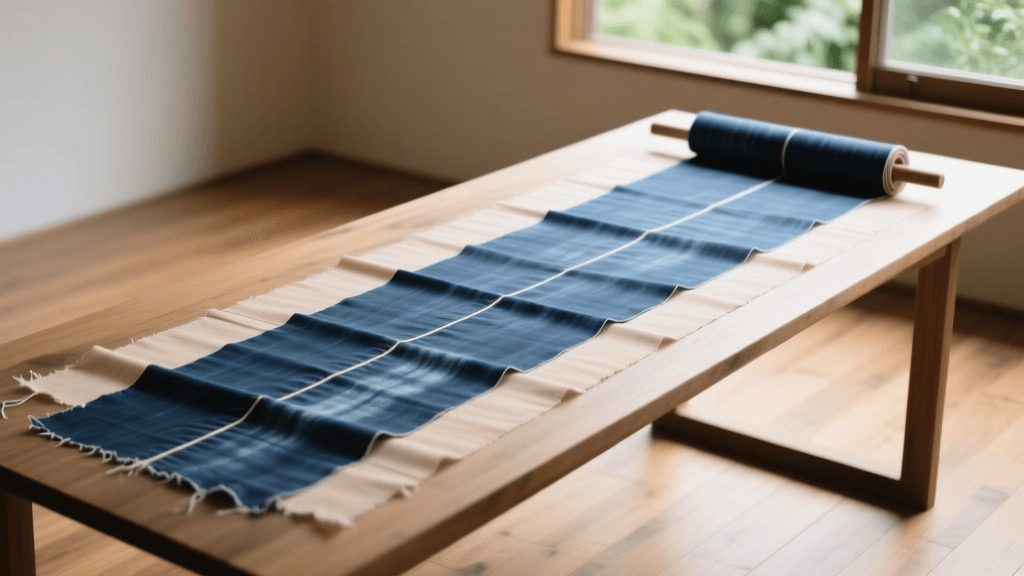
One of the most revered weaving techniques celebrated in contemporary preservation efforts is Yuki-tsumugi. Recognized for its exceptional warmth and lightweight properties, this pongee silk is spun by hand from silk floss, creating a fabric that is remarkably durable yet soft against the skin. According to the UNESCO Intangible Cultural Heritage registry, the meticulous hand-tied kasuri (ikat) dyeing process used in Yuki-tsumugi represents the pinnacle of Japanese textile craftsmanship, making it a highly sought-after material for high-end, everyday kitsuke in 2026.
2026 Seasonal Transition Chart
| Month | Garment Type | Collar Style | Weaving Focus & Textile Weight |
|---|---|---|---|
| Jan - May | Awase (Lined) | Hiro-eri (Wide) | Nishijin-ori brocade, heavy crepe silk |
| June, Sept | Hitoe (Unlined) | Hiro-eri (Wide) | Yuki-tsumugi pongee, medium-weight tsumugi |
| July - Aug | Ro / Sha (Sheer) | Ro-eri (Sheer) | Leno-weave silk, lightweight ramie (jofu) |
| October | Awase (Lined) | Hiro-eri (Wide) | Edo Komon micro-patterns, lined crepe |
Styling Across Life Stages and Occasions
The comprehensive guide to Japanese fashion styles must account for the wearer's age, marital status, and the specific event. While 2026 has seen a relaxation of some rigid societal rules, the foundational vocabulary of kimono formality remains intact.
For unmarried women attending coming-of-age ceremonies or formal weddings, the furisode is mandatory. Characterized by its dramatically long, swinging sleeves (often exceeding 100 cm in length), the furisode is heavily patterned across the entire garment. Conversely, married women attending the same events will wear a kurotomesode (black with patterns only below the waist) or irotomesode (colored with patterns below the waist), featuring shorter sleeves that signify maturity and grounded elegance.
For daily wear, international travel, and casual cultural outings, the komon (repeating small pattern) and tsukesage (patterns that do not cross the seams) are the most versatile choices. In 2026, a major trend among young professionals in Tokyo is pairing vintage, muted-color Edo Komon kimono with modern, minimalist leather obi belts and contemporary footwear, bridging the gap between historical preservation and urban streetwear.
Footwear: Grounding the Garment
No kitsuke ensemble is complete without the proper footwear. Traditional Japanese footwear is designed to complement the sweeping hemline of the kimono and the specific gait it requires. The two primary categories are zori and geta.
Zori are formal, flat-soled sandals typically made of brocade, vinyl, or woven rush. They are worn with formal kimono and require white tabi (split-toe socks). In 2026, international designers have collaborated with traditional Kyoto artisans to produce zori featuring ergonomic EVA-foam inserts, making them vastly more comfortable for navigating modern city streets and museum tours without sacrificing the traditional aesthetic.
Geta are elevated wooden sandals, primarily worn with casual cotton yukata during summer festivals. The distinctive clacking sound of the wooden teeth on pavement is a beloved sensory hallmark of Japanese summer evenings. When styling geta, the hanao (the thong strap) must be carefully selected to match or contrast with the obi, often utilizing intricate kumihimo (braiding) techniques.
"The way a kimono moves is dictated from the ground up. Proper tabi and well-fitted zori force the wearer to adopt a gliding, deliberate stride, which inherently alters their posture and presence in a space."
The Sensory Experience and Zen Spirituality
Wearing a kimono is a deeply sensory experience that aligns closely with Zen spirituality. The concept of ma (negative space) is evident in the straight-line construction of the garment; the kimono is not tailored to the body's curves, but rather, the body moves within the architectural space of the fabric. The rustle of the silk (known as kinu-zure), the subtle scent of camphor wood from the storage chest, and the tactile resistance of the tightly woven obi all contribute to a mindful, meditative dressing process.
In 2026, cultural education programs emphasize this sensory aspect, teaching students to appreciate the garment not just as clothing, but as an immersive environment. The Metropolitan Museum of Art notes in its extensive Heilbrunn Timeline of Art History that the Japanese kimono's evolution reflects a continuous dialogue between the wearer, the textile, and the surrounding natural environment, a philosophy that remains central to its modern appreciation.
Preservation and Modern Care Techniques
Preserving these exquisite textiles requires diligence and an understanding of traditional care methods. Silk kimono are highly susceptible to humidity, direct sunlight, and body oils. The traditional method of arai-hari involves completely unstitching the kimono, washing the individual fabric panels, stretching them on wooden frames to dry, and then re-sewing them. While this remains the gold standard for museum-quality preservation, it is time-consuming and expensive.
For the modern collector in 2026, preventative care is paramount. Garments should be aired out in the shade twice a year, typically during the dry, crisp days of late autumn and early spring. Storing kimono in tatou-shi (acid-free, breathable paper) rather than plastic prevents moisture trapping and yellowing. Furthermore, the integration of smart-home climate control systems in modern Japanese wardrobes allows collectors to maintain a strict 50% humidity level, ensuring that centuries-old Nishijin-ori and Yuki-tsumugi textiles survive for future generations.
By understanding the intricate rules of layering, the profound history of weaving methods, and the mindful philosophy of Zen aesthetics, enthusiasts can fully appreciate the kimono. As explored in the comprehensive collections of institutions like the Victoria and Albert Museum, the kimono is not a relic of the past, but a masterclass in sustainable, intentional fashion that continues to inspire global design in 2026 and beyond.